

Remodeling an older home can feel overwhelming at first. There may be old wiring, old pipes, water damage, drafty windows, missing shingles, or structural issues that need immediate attention before any finish work begins. So, what should I prioritize when remodeling an older home? Start with the parts of the house that protect safety, structure, comfort, and long-term value. Then move into layout, design details, and finishes.
Remodeling an Older Home Starts With the Right Priorities for Home Improvement Projects
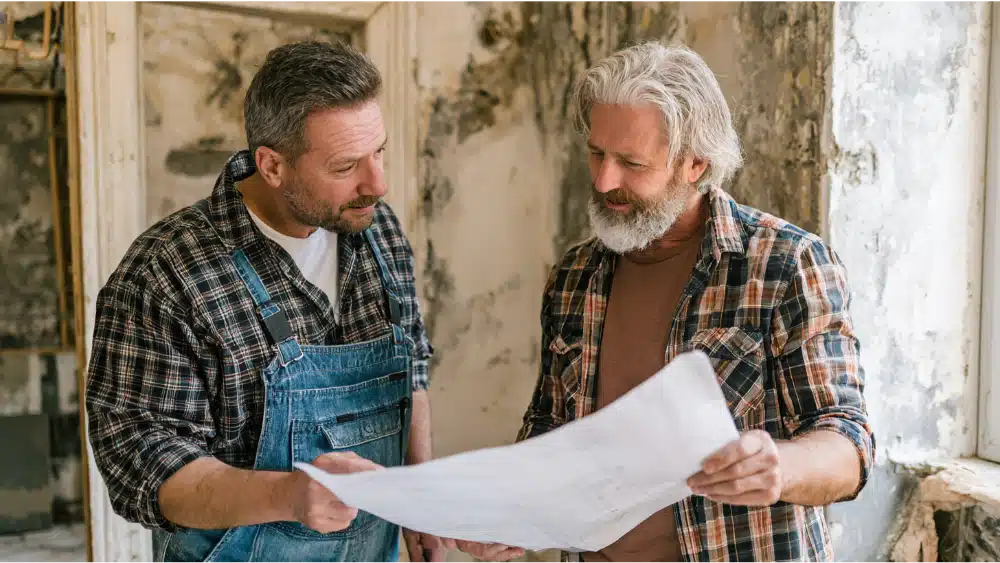
An older home often has character that is hard to recreate. Original trim, wood floors, built-ins, masonry, and thoughtful proportions can give the home warmth and aesthetic appeal. But every home renovation needs a clear plan. Before choosing new countertops, new flooring, or a kitchen island, take a deep breath and build a priority list. This helps you prioritize home improvement projects in a way that protects your investment, budget, and daily life.
Start With a Full Home Assessment
Why an Inspection Comes Before Design Decisions
A full assessment should come before design decisions. This is the first step in any smart home renovation project because it helps uncover what the house truly needs. Older homes can hide problems behind walls, ceilings, floors, and crawl spaces. An inspection gives you the information needed to prioritize home projects and make informed decisions before construction begins.
What to Evaluate First
Review the foundation, framing, roof, drainage, windows, insulation, plumbing, HVAC, and electrical system. Look for water stains, mold, lead paint, roof leaks, old pipes, and fire hazards. This early work may not be glamorous, but it gives the renovation a stronger foundation. It also helps you avoid costly repairs later.
Why This Protects Your Budget
A clear assessment protects the budget by showing which projects need immediate attention and which smaller projects can wait. Instead of focusing on one room too early, you can prioritize home needs across the whole house.
Prioritize Structural Integrity
Foundation and Framing Concerns
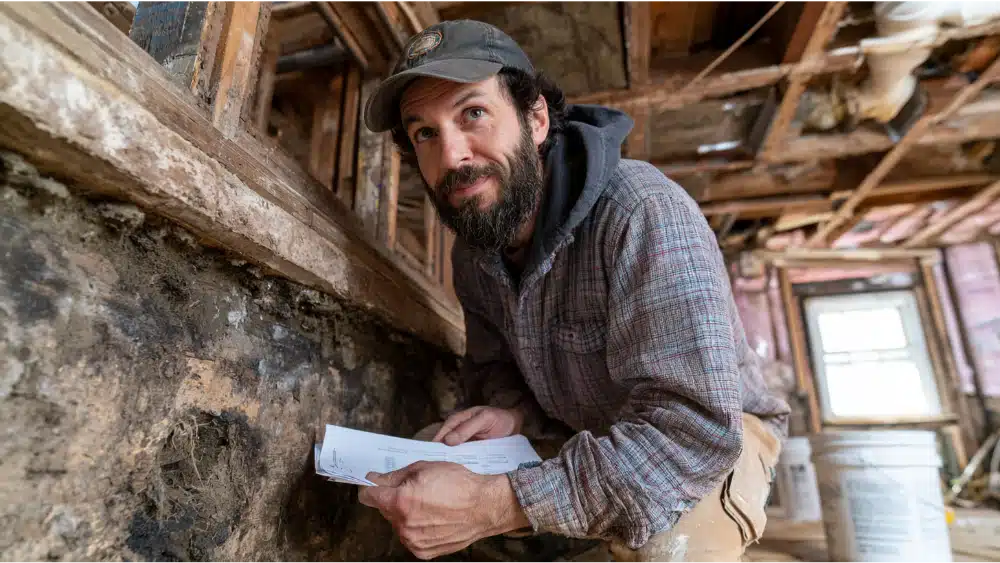
Structural repairs belong near the top of the priority list. Cracks, sagging floors, shifting walls, and uneven rooms may point to structural issues that should be addressed before layout changes. The goal is simple: prioritize home stability before style.
Roof, Exterior Walls, and Drainage
Roof repairs should come early, especially if there are missing shingles, damaged flashing, clogged gutters, or signs of water damage. The roof protects everything below it. If it fails, new finishes, new windows, cabinetry, and flooring can all be affected.
Why Structure Comes Before Style
Paint, tile, and fixtures can improve the home’s appearance, but they cannot solve deeper structural problems. Strong remodeling projects begin with the bones of the house. Once the structure is sound, the design work can move forward with confidence.
Address Health and Safety Issues Early
Lead Paint in Pre-1978 Homes
If the old house was built before 1978, lead paint may be present. Any renovation that disturbs painted surfaces should follow proper lead-safe practices. This is especially important around trim, doors, windows, built-ins, and painted exterior surfaces.
Asbestos, Mold, and Moisture
Older homes may also include asbestos-containing materials, mold, or hidden moisture. These issues should be handled before other home projects move forward. Moisture and mold can affect comfort, air quality, and the home’s livability.
Fire Safety, Stairs, Railings, and Egress
Old wiring, weak railings, poor lighting, and blocked exits can create fire hazards. These issues deserve immediate attention. Safety upgrades may include better lighting, updated smoke and carbon monoxide detection, stronger railings, safer stairs, and improved egress where needed.
Upgrade Electrical, Plumbing, and HVAC Systems
Electrical Updates
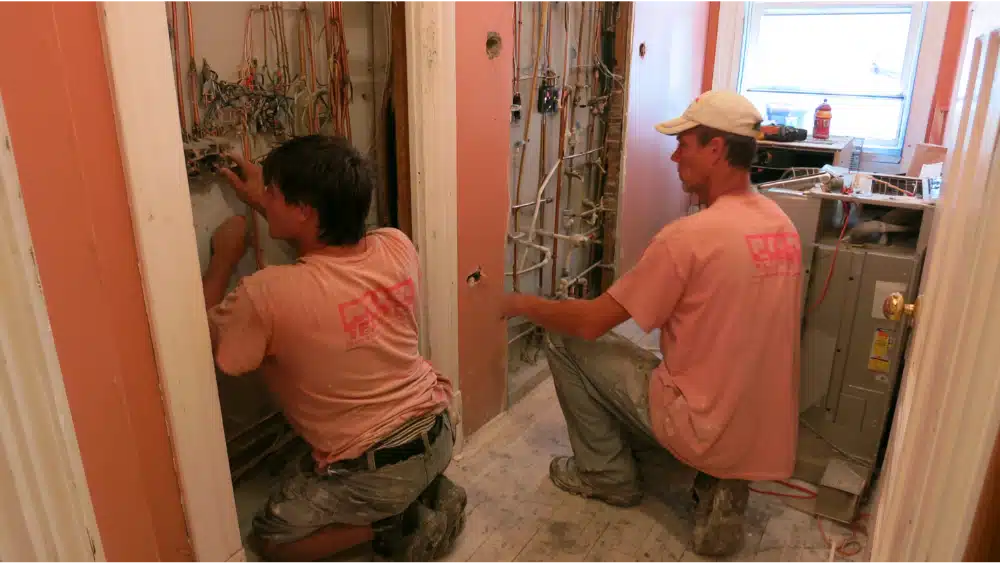
An outdated electrical system may not support modern appliances, kitchen remodels, remote work, or the needs of a growing family. Panel upgrades, safer wiring, added outlets, and improved lighting can enhance comfort and support daily life.
Plumbing Improvements
Old pipes can cause leaks, low water pressure, drainage problems, and hidden water damage. Plumbing updates are especially important during bathroom renovations, kitchen renovation work, and larger home remodeling projects.
HVAC and Ventilation
Heating, cooling, and ventilation shape how each living space feels. Poor airflow can make rooms uncomfortable and may affect indoor air quality. A better HVAC plan can improve comfort, reduce strain on equipment, and support energy efficiency.
Why System Upgrades Should Happen Before Finishes
Systems should be updated before walls are closed and before bathroom fixtures, tile, cabinetry, or flooring are installed. This order can save time, protect the renovation, and reduce the chance of reopening finished spaces later.
Fix Moisture Problems and Improve the Building Envelope
Water Is One of the Biggest Risks in Older Homes
Water can enter through the roof, foundation, siding, plumbing, or drafty windows. Water stains, musty smells, and soft materials should never be ignored. Moisture issues need immediate attention because they can damage framing, insulation, flooring, and finishes.
Insulation, Air Sealing, and Windows
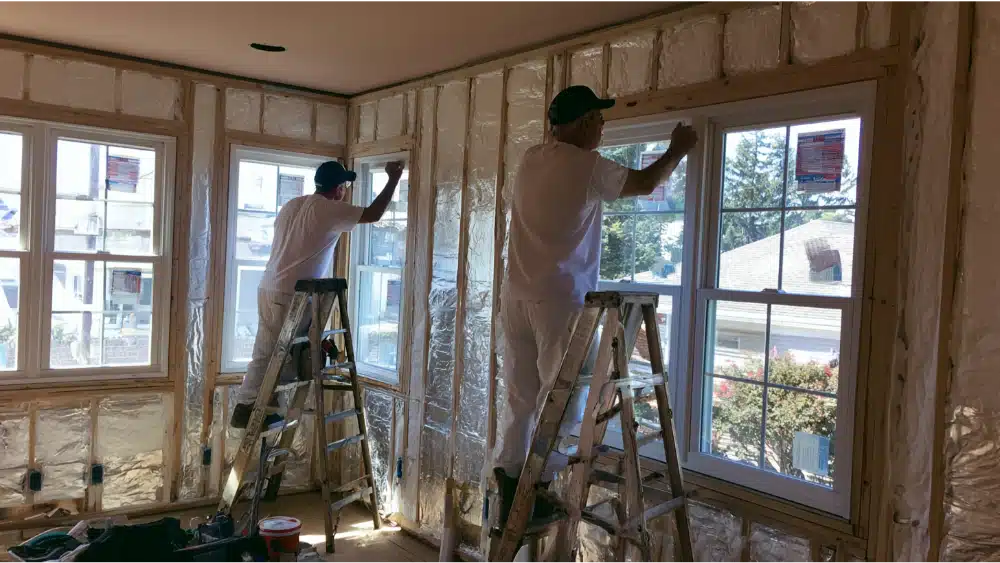
Adding insulation, sealing gaps, repairing drafty windows, or installing new windows can make the house more comfortable. These upgrades can also reduce utility bills and reduce utility costs over time.
Balancing Efficiency With Original Character
Improving energy efficiency should not erase the character of the home. A thoughtful plan protects original details while improving performance, comfort, and long-term value.
Improve Energy Efficiency With Smart Upgrades
Where Older Homes Often Lose Energy
Older homes often lose energy through attics, crawl spaces, basements, walls, windows, doors, and ductwork. That energy loss can raise utility bills and make rooms feel too hot, too cold, or drafty.
High-Impact Energy Upgrades
High-impact upgrades may include adding insulation, air sealing, efficient HVAC equipment, smart thermostats, improved ventilation, and efficient appliances. Improving energy efficiency can enhance comfort and make the home more enjoyable every day.
Why Energy Upgrades Support Long-Term Value
Energy efficiency supports resale value, comfort, and return on investment. Future buyers often appreciate a home renovation that improves performance, not just finishes.
Rework the Layout for Modern Living
Function Comes Before Finishes
A beautiful room still needs to work well. Prioritize home function before final materials, especially when remodeling projects involve kitchens, bathrooms, laundry areas, or shared living space. A strong layout makes daily life easier.
Common Layout Improvements in Older Homes
Kitchen remodels often improve meal prep, storage, family gatherings, and connection to nearby rooms. A kitchen island can add workspace, seating, and gathering space. Bathroom renovations can improve privacy, storage, ventilation, and comfort. A master bedroom suite can add calm and function. Finished basements, additions, and flex rooms can create more living space for guests, remote work, or a growing family.
Respecting the Home’s Original Architecture
Good home renovation respects the original proportions of the house. Trim, windows, ceiling height, room flow, and exterior details should work together. The goal is to create functional spaces that feel natural, not forced.
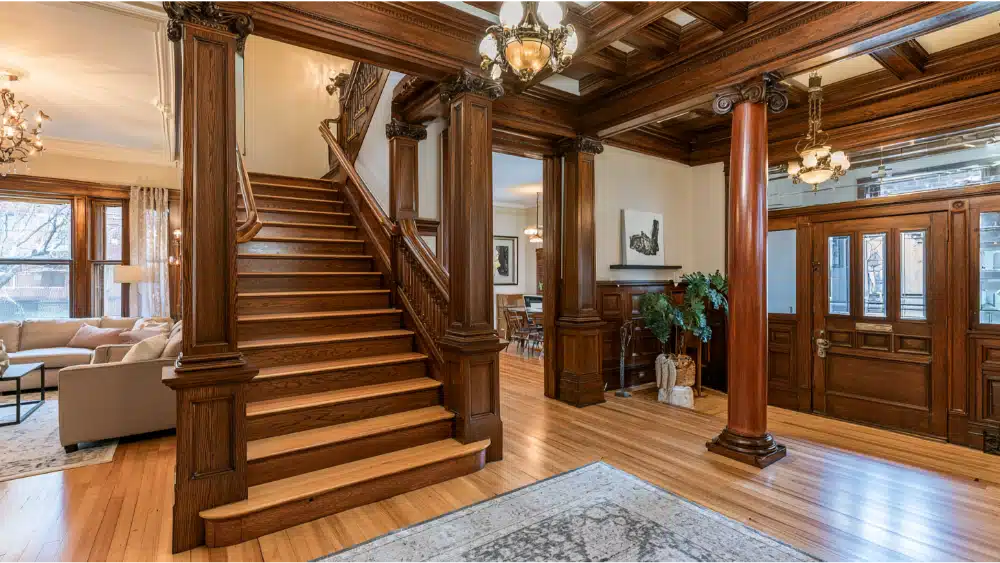
Preserve the Details That Give the Home Character
What Is Worth Saving
Original wood floors, doors, hardware, built-ins, stairs, fireplaces, masonry, and trim can add depth and warmth. These details often give an older home its identity.
When Restoration Makes Sense
Restoration makes sense when original materials are sound, attractive, and aligned with the design plan. Preserving these features can support curb appeal and help the renovation feel authentic.
When Replacement Is the Better Choice
Replacement may be better when materials are unsafe, damaged, inefficient, or too costly to repair properly. Prioritizing projects means knowing what to preserve, what to restore, and what to replace.
Choose Finishes After the Big Decisions Are Made
Why Finishes Should Come Later
Finishes should follow the master plan. Tile, lighting, cabinetry, hardware, paint, and flooring depend on structure, systems, layout, and budget. Choosing finishes too early can create changes later.
How to Choose Timeless Materials
Choose materials that support durability, comfort, and return on investment. Natural textures, balanced colors, quality cabinetry, layered lighting, and refined details can improve the home’s appearance without making the renovation feel trend-driven.
Creating a Home That Feels Updated, Not Trend-Driven
The best home projects feel fresh, balanced, and lasting. A clear plan helps you prioritize home choices with confidence and keeps the design aligned from one room to the next.
Build a Realistic Budget and Contingency
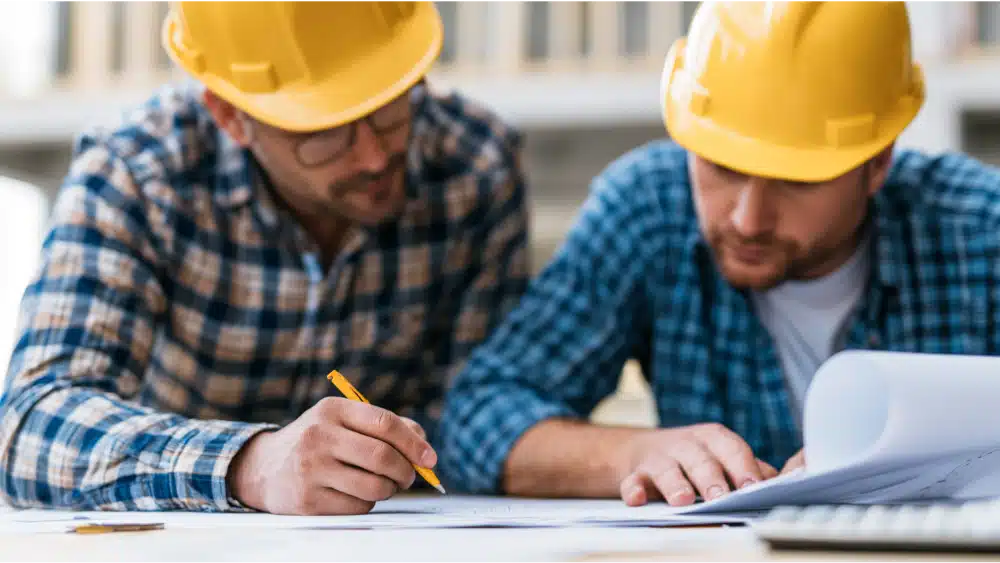
Older Homes Often Carry Hidden Costs
Older homes can come with surprises. Hidden rot, old pipes, old wiring, poor insulation, roof repairs, structural repairs, and water damage can affect the budget. This is why a realistic budget is essential for any house project.
Why a Contingency Matters
A contingency gives the renovation room to respond when discovery happens. It helps the team handle items that need immediate attention without sacrificing the larger vision.
Invest First Where It Matters Most
Use the priority list to guide spending. Focus first on safety, structure, systems, moisture control, energy efficiency, layout, and then finishes. Some homeowners use savings, phased work, or home equity loans to fund larger home improvement projects. The right choice depends on the scope, timing, and long-term investment goals.
Work With a Design-Build Team That Understands Older Homes
Why Coordination Matters
A design-build team helps connect planning, design, budget, and construction. This matters because home remodeling projects in older houses often involve hidden conditions, shifting details, and decisions that affect multiple parts of the home.
How Design-Build Helps Reduce Surprises
A coordinated process helps prioritize home projects, manage smaller projects, and plan larger remodeling projects with fewer gaps between design and construction. It also helps the homeowner understand what comes first, what can wait, and how each phase supports the final result.
A More Thoughtful Remodeling Experience
The right team can help you make informed decisions, save time, protect money, and create living space that supports daily life. That is the value of a thoughtful renovation journey. It brings craftsmanship, planning, and care together.
Final Thoughts: Prioritize the Home Before the Finishes
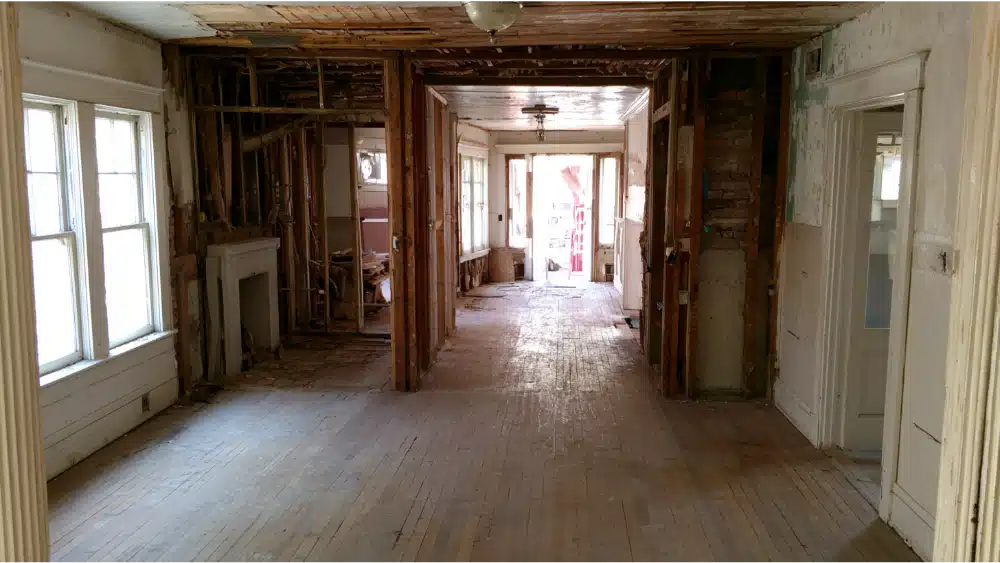
When remodeling an older home, focus first on the home itself. Start with assessment, structure, safety, systems, moisture, energy efficiency, layout, character, and then finishes. A thoughtful renovation protects the house, improves comfort, supports resale value, and creates a stronger return on investment. Start with a clear priority list and a plan that respects both the home’s history and the way you want to live now.
Frequently Asked Questions
What are the first repairs I should prioritize when remodeling an older home?
Start with safety and structural repairs such as foundation issues, roof leaks, outdated wiring, and plumbing problems. Addressing these ensures the home is safe and stable before cosmetic updates.
How do I know if my older home has hazardous materials like lead paint or asbestos?
Homes built before the 1970s often contain lead-based paint and asbestos. A professional inspection can identify these hazards so they can be safely managed or removed before renovation begins.
Should I update electrical and plumbing systems during my remodel?
Yes, outdated electrical wiring and plumbing rarely meet modern codes and can pose safety risks. Upgrading these systems early in the remodel prevents future issues and supports modern living needs.
How can I preserve the character of my older home while remodeling?
Retain original features like wood floors, trim, built-ins, and masonry when possible. Restoration of these elements maintains historic charm while thoughtful updates improve function and comfort.
What role does energy efficiency play in remodeling an older home?
Improving insulation, sealing drafts, and upgrading HVAC systems enhance comfort and reduce utility costs. Energy-efficient upgrades also increase long-term home value without sacrificing character.
How should I budget for remodeling an older home with hidden issues?
Allocate a contingency fund for unexpected repairs like mold, termite damage, or foundation problems. Prioritize spending on safety, structure, and systems before finishes to protect your investment.
Conclusion
Remodeling an older home requires a careful balance between preserving its unique character and updating it for modern living. Begin with a thorough assessment to identify safety hazards, structural issues, and system upgrades needed to protect your investment. Prioritize repairs that ensure the home’s stability and comfort, such as foundation fixes, roof repairs, electrical and plumbing updates, and moisture control. Thoughtful energy efficiency improvements can enhance livability and reduce costs over time. Preserve original architectural details where possible to maintain the home’s historic charm. Finally, plan your budget realistically with a contingency for surprises and work with a knowledgeable design-build team to guide the process. By following a clear priority list, you can transform your older home into a safe, comfortable, and beautiful space that honors its past while meeting your present and future needs.