

One of the first questions homeowners ask when planning a home remodel is: What should I budget for a full house remodel? The honest answer is that renovation costs depend on the size of the home, its existing condition, the design goals, and the level of finish desired throughout the entire house.
In 2026, many home renovations start around $100,000 for a meaningful whole home remodel and can exceed $300,000 for a high-end remodel featuring premium materials, custom cabinetry, structural changes, and upgraded major systems. Smaller basic remodels may cost less, while full gut renovations with major structural changes require larger budgets.
The best budget begins with clear priorities, realistic expectations, and a team that can guide the renovation project from design through construction.
The Short Answer: How Much Should You Budget for a Full House Remodel?

A full home remodel can range from a simple refresh to a complete transformation of the entire property. Because of this, average remodeling cost numbers provide helpful guidance but are never fully comprehensive.
Typical 2026 Budget Ranges
- Light Remodel: Focuses on paint, flooring, lighting, minor repairs, and surface updates.
- Mid-Range Remodel: May include kitchen and bathroom remodels, new flooring, improved lighting, and selected layout changes.
- High-End Remodel: Features kitchen and bathroom renovations, custom cabinets, premium materials, custom showers, and structural changes.
For planning, many homeowners think in terms of cost per square foot. Basic remodels tend to be on the lower end, while design-driven whole home remodels carry higher costs per square foot.
Why One Number Is Never Enough
Two homes with the same square footage can have very different renovation costs. One may require mostly finish updates, while another may need new electrical systems, plumbing, insulation, framing repairs, permit fees, and proper permits.
Homeowners should expect renovation costs to vary based on scope, material quality, labor, and hidden issues discovered during construction.
What Impacts the Cost of a Full House Remodel?
Understanding the key factors influencing remodeling costs helps create a realistic budget and avoid costly mistakes.
Home Size and Square Footage
Square footage is a primary cost driver. A 1,500 sq ft home usually costs less to remodel than a 3,000 sq ft home. However, cost per square foot depends on the rooms involved, home condition, and finish level. A smaller home with custom cabinetry and structural changes can cost more per square foot than a larger home with builder-grade materials.
Scope of Work
The scope significantly affects costs. Renovations that keep the same layout are usually more cost-effective than those involving moving walls, plumbing, or electrical systems.
A full renovation may include kitchen and bathroom remodels, flooring, painting, lighting, custom cabinets, new siding, a new deck, outdoor space improvements, and updates to the master bedroom or suite.
Age and Condition of the Home
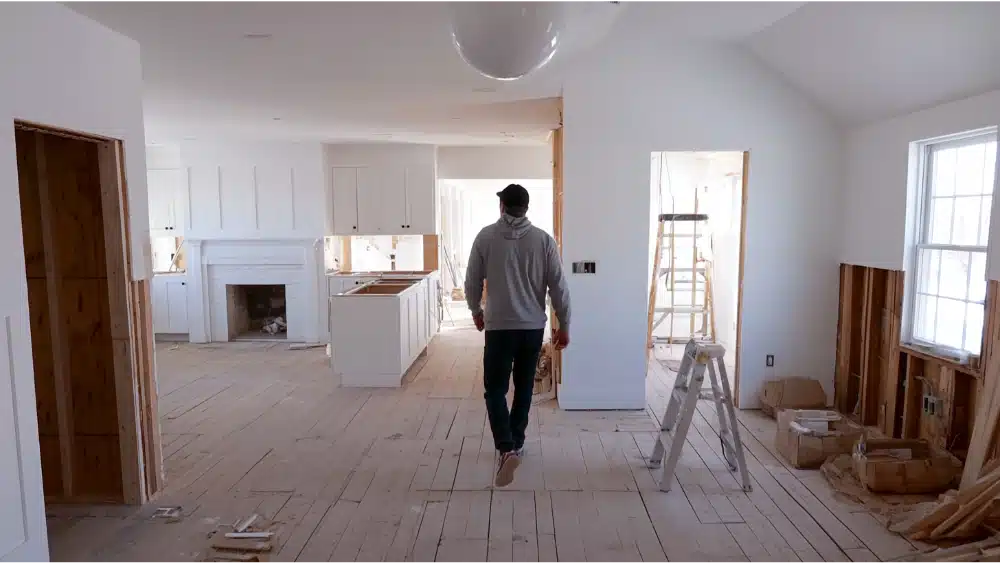
Older homes often require additional budget planning. Hidden costs such as outdated wiring, old plumbing, moisture damage, or framing issues may arise once construction begins. These repairs protect the home and support long-term value.
Material and Finish Selections
Material choices impact costs quickly. Flooring, countertops, tile, plumbing fixtures, lighting, appliances, cabinetry, and hardware all contribute to the budget.
High-end materials increase renovation costs, while builder-grade options help save money. The goal is to select quality materials where they matter most and cost-effective options where simpler finishes suffice.
Labor, Permits, and Local Market Conditions
Labor is a major part of remodeling costs. Skilled trades are essential for tile, plumbing, electrical, framing, cabinetry, finish carpentry, and structural work.
Permit fees, inspections, and local code requirements also affect the total cost. A quality contractor will explain these items clearly before construction begins.
Full House Remodel Budget by Project Type

Every whole home remodel is unique, but common project types help homeowners understand expected renovation costs.
Cosmetic Whole-Home Remodel
Includes paint, flooring, lighting, hardware, trim, and minor repairs. Best suited when layout, structure, and major systems are in good condition. This refreshes the living space without major renovations.
Mid-Range Whole-Home Remodel
Often includes kitchen and bathroom remodels, flooring, lighting, painting, and better storage. May also feature bathroom upgrades and energy-efficient appliances. A strong option for meaningful improvements without a full gut renovation.
High-End Full House Remodel
Involves premium materials, custom cabinetry, stone surfaces, detailed tile, kitchen and bathroom renovations, and new layouts. Ideal for improving comfort, beauty, function, property value, and long-term value.
Whole-Home Remodel With Structural Changes
Structural changes raise costs significantly. Removing walls, adding living space, changing rooflines, reinforcing framing, or building a new deck require careful planning and increase labor, permit fees, engineering needs, and timelines.
How to Build a Realistic Full House Remodel Budget
A strong remodeling budget includes design, planning, materials, labor, permits, contingency, and construction management.
Start With Your Goals
Define how you want to live in the home. Consider needs such as a larger kitchen, better bathroom function, more living space, a private master suite, or stronger outdoor connections. Clear goals keep the project focused.
Separate Needs From Wants
Needs might include repairs, safety updates, major systems, or layout problems. Wants may be premium materials, custom cabinetry, custom showers, or upgraded finishes. Prioritizing helps control costs and maximize value.
Set a Contingency
Unexpected expenses are common, especially in older homes. Many homeowners set aside 10% to 20% of the total cost for contingency to handle surprises properly.
Include Design, Permits, and Planning
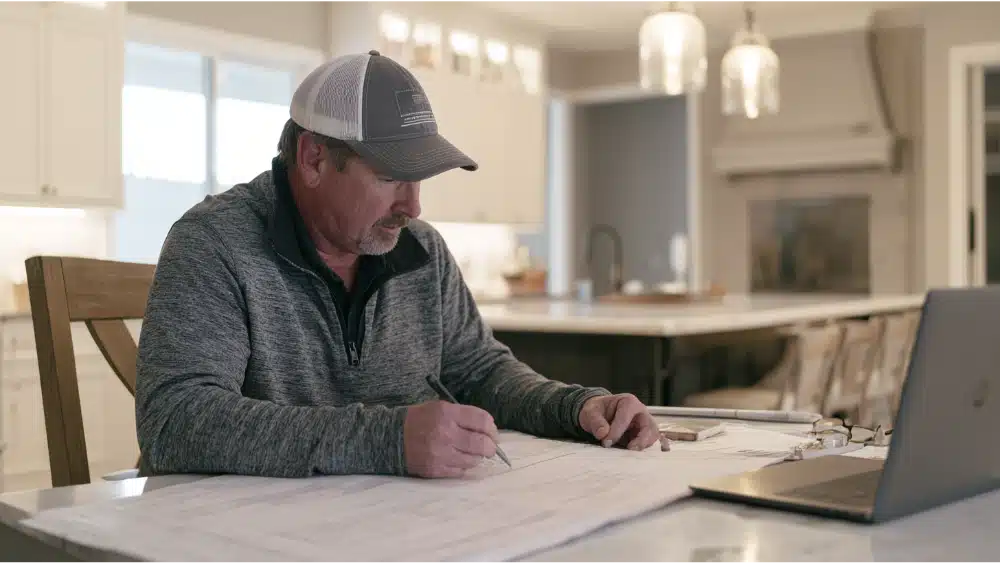
Costs should cover design work, drawings, engineering, permit fees, inspections, scheduling, and project management. Good planning reduces mistakes and keeps the remodel on track.
Think Long-Term
The cheapest option is not always the most cost-effective. Durable materials, thoughtful design, skilled labor, and strong layouts improve daily life and resale value.
Where Homeowners Often Underestimate Costs
Moving Plumbing or Electrical
Relocating sinks, toilets, tubs, showers, laundry rooms, or kitchen appliances increases costs. Electrical updates like recessed lighting, panel work, and new circuits add labor expenses.
Custom Cabinetry and Built-Ins
Custom cabinetry adds function and beauty but requires careful design, quality materials, and skilled labor. It is a significant budget item in kitchens, bathrooms, mudrooms, closets, and living spaces.
Tile, Stone, and Specialty Finishes
These finishes raise material and labor costs. Custom showers, detailed backsplashes, or large-format tile installations require precision work.
Older Home Updates
Older homes may need plumbing, HVAC, insulation, window, framing, and electrical updates. These hidden costs affect overall renovation expenses.
Temporary Living Costs
Full home remodels can disrupt daily life. Storage, temporary housing, moving expenses, and meals outside the home add to the budget.
How a Design-Build Approach Helps Control the Budget
Design and Construction Work Together
Aligning design and construction early allows planning around real costs, buildable details, and homeowner priorities. This reduces surprises and smooths the renovation process.
Clear Scope Before Construction
A defined scope outlines materials, allowances, labor, permit fees, exclusions, and schedule expectations. Clarity helps homeowners understand costs before construction.
Smarter Value Decisions
Design-build planning identifies where to invest and where to simplify. For example, premium materials in the kitchen paired with cost-effective finishes elsewhere protect design and maximize value.
Sample Full House Remodel Budget Scenarios
Scenario 1: 1,500 Sq. Ft. Cosmetic Refresh
Includes paint, flooring, lighting, trim, and minor repairs. Best when structure and systems are sound.
Scenario 2: 2,000 Sq. Ft. Mid-Range Remodel
Includes kitchen and bathroom remodels, flooring, lighting, painting, and selected layout improvements. Common for families seeking better function and design.
Scenario 3: 2,500+ Sq. Ft. Design-Led Transformation
Features kitchen and bathroom renovations, custom cabinetry, premium materials, structural changes, new siding, a new deck, outdoor space improvements, and refined master suite. Larger square footage increases cost per square foot.
Scenario 4: Older Home Remodel
Requires larger contingency for unforeseen expenses. May include repairs, code updates, major systems, layout changes, and full finish replacement. Increases costs but creates a safer, stronger, more comfortable home.
How to Know Your Remodel Budget Is Right
Your Budget Matches Your Vision
A large renovation needs a budget supporting the scope. Unrealistic budgets cause stress and compromises.
Your Selections Are Accounted For
Discuss cabinetry, flooring, tile, countertops, fixtures, lighting, appliances, and hardware early. Kitchen and bathroom costs can shift quickly.
Your Contractor Explains the Details
Proposals should explain scope, allowances, exclusions, timeline, material and labor costs, permit fees, and permits. Quality contractors help homeowners understand full costs.
You Have Room for the Unexpected
Contingency is critical, especially for older homes, structural changes, or gut renovations.
When Should You Talk to a Remodeling Professional?

Before You Set a Final Number
Professional guidance helps understand remodeling projects, cost per square foot, and realistic scope.
Before Buying Materials
Buying materials too early can lead to costly mistakes if products don’t fit design, meet code, or align with construction schedules.
Before Making Layout Decisions
Layout changes affect plumbing, structure, electrical work, permit fees, and costs. Early planning keeps projects efficient and cost-effective.
Frequently Asked Questions
How much does a kitchen remodel typically cost during a full house remodel?
Kitchen remodeling costs can vary widely depending on the scope and materials. Minor kitchen remodels may range from $10,000 to $20,000, while major kitchen renovations can exceed $65,000 to $130,000. Cabinets, countertops, and appliances are the largest contributors to kitchen renovation costs.
Can I use a home equity loan or cash out refinance to fund my remodel?
Yes, many homeowners use financing options such as home equity loans, cash out refinances, or personal loans to cover home remodeling costs. These options can provide the necessary funds while potentially offering favorable interest rates compared to other loan types.
What percentage of my home’s value should I budget for remodeling?
A common guideline is to allocate about 30% of your home’s current market value for a full house remodel. For individual rooms like kitchens or bathrooms, spending 10-15% of your home’s value is advisable to maintain good return on investment.
How much should I set aside for unexpected expenses during remodeling?
It is recommended to include a contingency budget of 10-20% of the total renovation costs. This buffer helps cover unforeseen issues such as hidden damage, permit delays, or material cost increases that often arise during home renovation projects.
Are DIY projects a good way to save on remodeling costs?
DIY projects can reduce labor costs for minor updates like painting or installing hardware. However, major tasks such as plumbing, electrical, or structural work should be left to professionals to avoid costly mistakes and ensure compliance with permits and inspections.
Which home remodeling projects add the most value to my property?
Kitchen remodels typically add the most value and can recoup up to 80% of their costs at resale. Bathroom renovations and adding outdoor living spaces also tend to increase home value significantly.
Conclusion
Budgeting for a full house remodel requires careful consideration of many factors including home size, scope of work, material costs, labor, permits, and unexpected expenses. Prioritizing key areas like kitchen and bathroom renovations, while setting realistic budgets and contingency funds, helps homeowners achieve their vision without financial surprises. Utilizing financing options such as home equity loans or cash out refinances can ease funding challenges. Whether opting for a cosmetic refresh or a high-end transformation, working with experienced professionals and clear planning ensures a successful home renovation project that enhances comfort, function, and long-term value.