

What is included in a full home remodel depends on the home, the renovation goals, and the project scope. Most full home remodeling projects include design planning, demolition, kitchen updates, bathroom remodels, flooring, lighting, structural changes, plumbing, electrical work, HVAC updates, finishes, and sometimes exterior improvements. A full home remodel is not the same as a partial renovation or a single room update. It looks at the entire house as one connected living space. The goal is to improve comfort, function, style, energy efficiency, and long-term property value.
At Origami Design Build, we approach every whole home remodel with careful planning, clear communication, and refined craftsmanship. A successful home renovation starts before demolition begins. It starts with a thoughtful plan.
What Does a Full Home Remodel Mean?

A full home remodel is a complete home renovation that updates most or all major areas of the house. It may include the kitchen, bathroom remodels, bedrooms, living space, flooring, lighting, windows, doors, trim, paint, plumbing, electrical systems, HVAC, and exterior details.
A whole home remodel can be cosmetic, structural, or a true gut renovation. In some cases, the work focuses on finishes. In others, the entire house is opened up to improve the floor plan, replace aging systems, and create a more functional home.
Full Remodel vs. Partial Remodel
A partial renovation focuses on one room or one section of the home. A full renovation looks at the entire home and how each room connects.
This matters because remodeling one room can leave the rest of the house feeling disconnected. A whole home renovation creates consistency. Flooring, lighting, materials, colors, and storage solutions can work together instead of competing.
Whole-Home Remodeling Is a Coordinated Process
A whole home remodel requires coordination between design, construction, permit management, materials, local building codes, inspections, and trade work. The remodeling process must be organized so each step supports the next.
Working with a design-build firm helps align the vision, project budget, and construction details before work begins. This reduces confusion, supports cost savings, and helps protect the project’s success.
What Is Usually Included in a Full Home Remodel?
A full home remodel usually includes both visible upgrades and behind-the-wall improvements. The visible work creates the finished look. The hidden work supports safety, comfort, performance, and home value.
Design Consultation and Project Planning
The home renovation process begins with a consultation. This is where the design-build firm learns how the home is used, what feels outdated, and what changes would make the most sense.
This phase includes renovation goals, lifestyle needs, a realistic budget, timeline expectations, and early project scope. It also helps identify important factors that may affect the total cost.
Architectural Design and Space Planning
Space planning is a crucial aspect of a full home remodel. It looks at the floor plan, room flow, storage, natural light, and how the living space supports daily routines.
A new layout may create an open floor plan, a spacious kitchen, a larger primary suite, or better indoor-outdoor connection. The right design can significantly enhance the way the house functions.
Permits, Codes, and Pre-Construction Preparation
Many whole home remodeling projects require securing permits, especially when structural changes, electrical work, plumbing, HVAC, or layout updates are involved.
Pre-construction planning includes permit management, ordering materials, scheduling local contractors, protecting the site, and confirming details before construction begins.
Kitchen Remodeling
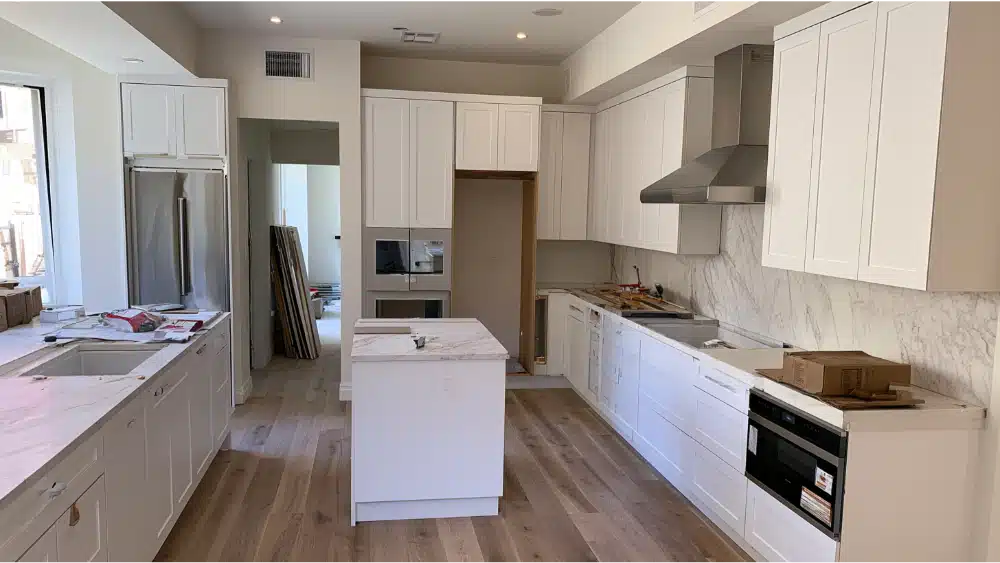
The kitchen is often the centerpiece of a full home remodel. It affects daily routines, storage, entertaining, traffic flow, and resale value.
An outdated kitchen may need new cabinetry, countertops, appliances, lighting, flooring, backsplash, and better layout planning. Larger projects may also involve moving walls, relocating plumbing, or expanding the kitchen into nearby living space.
Cabinetry, Countertops, and Storage
Kitchen remodeling often includes new cabinets, better storage solutions, an island, pantry improvements, and more efficient work zones.
Countertop choices can range from laminate countertops to quartz, natural stone, porcelain, or other premium materials. Material quality has a direct impact on durability, maintenance, and overall cost.
Appliances, Lighting, and Fixtures
A full home renovation may include new appliances, light fixtures, plumbing fixtures, cabinet hardware, and layered lighting.
Energy-efficient appliances can improve performance and support long-term costs. Good lighting also makes the kitchen safer, warmer, and more useful.
Flooring, Backsplash, and Finishes
Kitchen finishes should connect with the rest of the whole home remodel. Flooring, backsplash, paint, cabinetry, and hardware should feel intentional.
A design-build firm helps homeowners choose materials that match the style of the home and the realistic budget for the project.
Bathroom Remodeling
Bathroom remodels are a major part of most full renovation plans. They improve comfort, storage, lighting, moisture control, and home value.
A whole home remodel may include a powder room, hall bath, guest bath, and primary bathroom. Each space should feel consistent with the entire home while serving its own function.
Showers, Tubs, and Waterproofing
Bathroom remodels often include new showers, tubs, tile, glass enclosures, plumbing fixtures, waterproofing, and ventilation.
Waterproofing is essential. Beautiful finishes only perform well when the structure beneath them is built correctly.
Vanities, Storage, and Lighting
Vanities provide storage, style, and everyday function. Bathroom remodels may include double sinks, custom drawers, medicine cabinets, linen storage, and improved light fixtures.
Good design makes a small bathroom feel more open and a large bathroom feel more refined.
Accessibility and Long-Term Comfort
A full home remodel can also prepare the house for long-term comfort. Curbless showers, wider clearances, handheld showerheads, and blocking for future grab bars can be integrated beautifully.
For many homeowners, these choices make the home easier to enjoy now and later.
Living Areas, Bedrooms, and Interior Updates
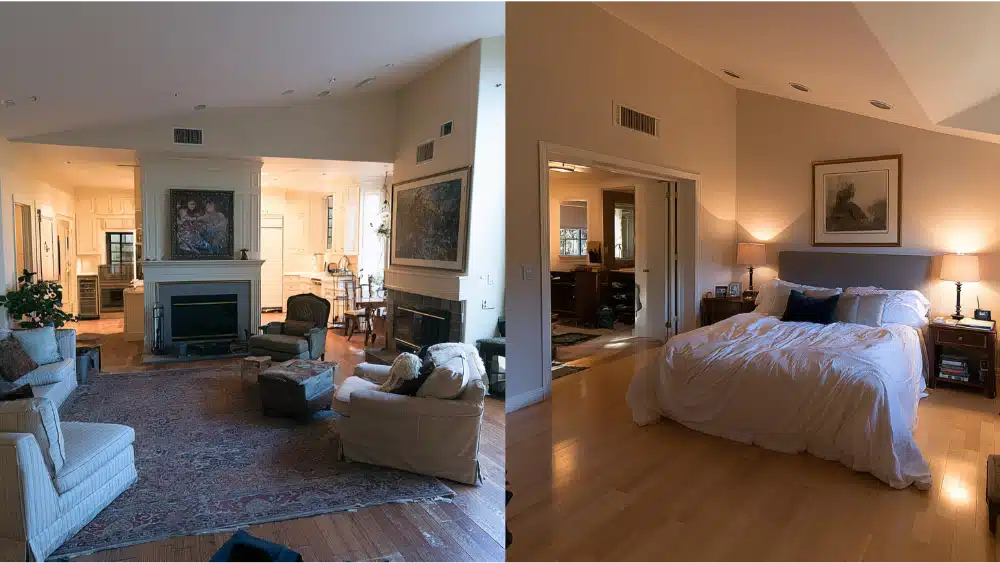
Living areas, bedrooms, hallways, stairways, and secondary rooms are key parts of a whole home renovation. These spaces create the everyday feel of the house.
Flooring Throughout the Home
New flooring is common in a whole home remodel. Options may include hardwood, engineered wood, tile, carpet, or luxury vinyl.
Flooring is often priced by square foot, so the size of the house has a direct impact on renovation costs. The cost per square foot can vary depending on material quality, labor costs, and preparation needs.
Walls, Paint, Trim, and Doors
Interior updates may include drywall repair, smooth walls, paint, trim, doors, casing, baseboards, and hardware.
These details may seem simple, but they make a full home remodel feel complete. Clean lines and consistent finishes help unify the entire house.
Built-Ins, Fireplaces, and Custom Details
Built-ins, fireplace surrounds, mudroom cabinetry, media walls, shelving, and home office details add personality and function.
These features are especially useful when a whole home remodel needs better storage solutions and a more tailored living space.
Layout Changes and Structural Work
Many whole home remodeling projects include layout changes. Older homes may have closed rooms, limited storage, poor traffic flow, or spaces that no longer match modern living.
Removing or Moving Walls
Removing walls can create better flow, more natural light, and an open floor plan. It can also help connect the kitchen, dining area, and living room.
Not every wall can be removed easily. Structural changes require evaluation before demolition begins.
Beams, Supports, and Engineering
When structural walls are removed, beams or supports may be needed. Engineering may also be required.
This work affects labor costs, renovation costs, and the total cost of the home remodel. It should be planned early to avoid unexpected expenses.
Reconfiguring Rooms for Better Flow
A whole home remodel may include moving a kitchen, adding a bathroom, expanding a suite, widening openings, or improving circulation.
The goal is not just a bigger house. The goal is a house that works better.
Electrical, Plumbing, and HVAC Upgrades
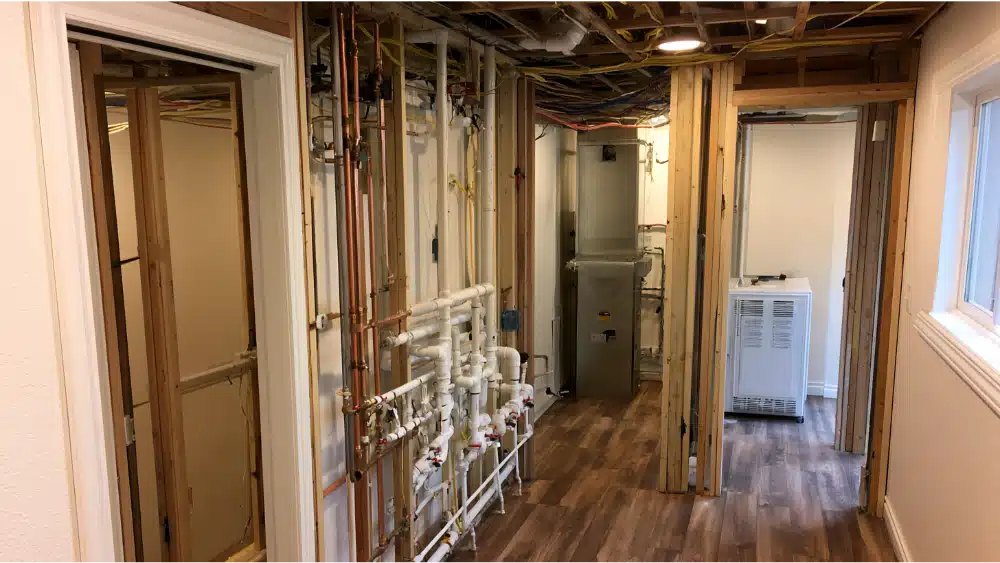
A full renovation often includes system upgrades. These improvements may not always be visible, but they are essential to comfort, safety, and long-term property value.
Electrical Panel and Wiring Updates
Electrical work may include panel upgrades, new wiring, added outlets, recessed lighting, dedicated circuits, smart controls, and lighting improvements.
These updates help the home support modern appliances, technology, and daily use.
Plumbing Improvements
Plumbing improvements may include replacing old pipes, moving fixtures, adding bathrooms, upgrading water heaters, or improving water efficiency.
Plumbing changes can affect home remodel cost, especially when fixtures move across the floor plan.
Heating, Cooling, and Ventilation
HVAC updates may include ductwork, system replacement, bathroom ventilation, kitchen ventilation, insulation coordination, and zoning.
These upgrades can improve energy efficiency and make the entire home more comfortable.
Windows, Doors, Insulation, and Energy Efficiency
Energy efficiency is an important part of many full home remodel plans. Older homes often have drafts, poor insulation, inefficient windows, or uneven temperatures.
Window and Door Replacement
Replacing windows and exterior doors can improve comfort, reduce drafts, add natural light, and increase home value.
Window replacement is usually priced by unit and square foot conditions around the opening. Larger projects may also involve reframing or finish repairs.
Insulation and Air Sealing
Insulation and air sealing can reduce long-term costs and improve indoor comfort. These updates are often cost effective when walls or ceilings are already open.
Sustainable and Durable Material Choices
Energy-efficient fixtures, durable flooring, quality windows, and better insulation can support cost savings over time.
High-end materials may increase the overall cost, but premium materials can also improve performance, durability, and the finished look.
Exterior Improvements in a Full Home Remodel
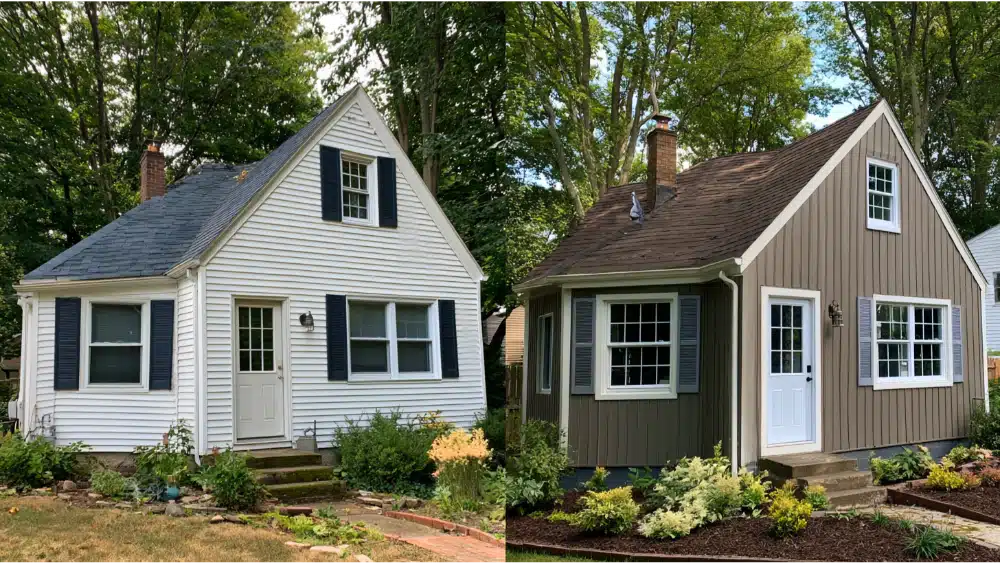
A full home remodel may include exterior work when the goal is to update the entire property.
Siding, Roofing, and Exterior Finishes
Exterior work may include new siding, roofing, exterior paint, trim, gutters, masonry repairs, or entry updates.
These improvements protect the house and can improve curb appeal.
Entryways, Decks, Patios, and Outdoor Living
A whole home renovation may also include a porch, deck, patio, outdoor kitchen, or covered living area.
Outdoor living space can make the home feel larger and more connected.
Connecting Indoor and Outdoor Spaces
Larger doors, better window placement, and improved patio access can make indoor and outdoor areas feel connected.
This is one of the design moves that can significantly enhance the experience of the entire property.
Final Finishes and Detail Work
The final phase of a full home remodel brings the design together.
Paint, Hardware, Fixtures, and Lighting
Paint colors, hardware, mirrors, plumbing fixtures, lighting, switch plates, and accessories complete the look.
These selections should support the whole home design rather than feel chosen at random.
Punch List and Quality Review
A final punch list helps identify touch-ups, adjustments, alignment issues, and small corrections.
This step protects quality and supports the finished result.
Cleaning, Handoff, and Move-In Readiness
Once construction is complete, the home is cleaned, reviewed, and prepared for use.
A professional handoff may include care notes, warranty information, and final walkthrough details.
What Is Not Always Included in a Full Home Remodel?
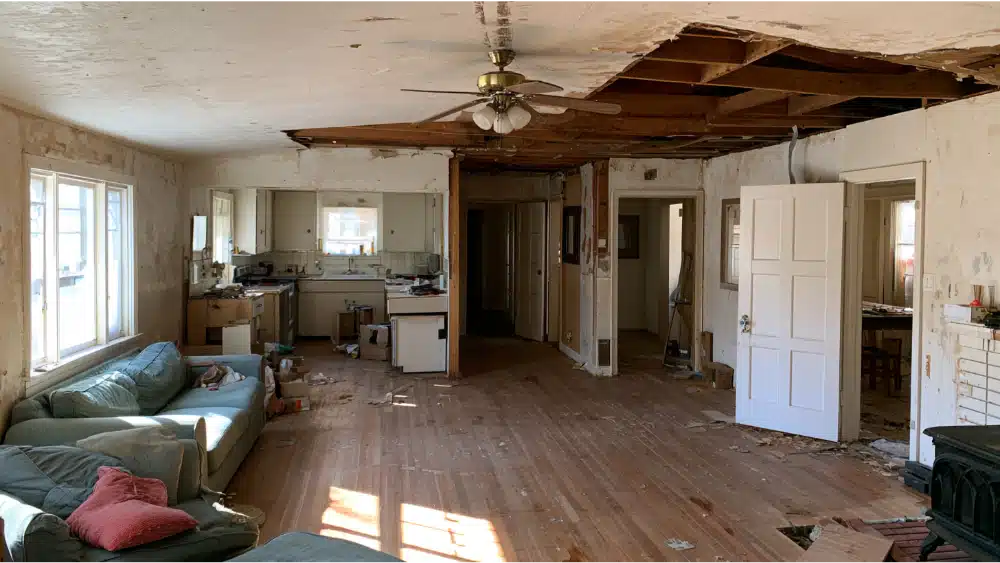
A full home remodel can be broad, but every project scope should be clearly defined.
Furniture, Décor, and Window Treatments
Furniture, rugs, artwork, bedding, décor, and window treatments are not always included.
Some homeowners include these details later, once the full renovation is complete.
Landscaping and Major Site Work
Landscaping, drainage, fencing, pools, and major hardscaping may be separate.
These items should be discussed early if they are part of the renovation goals.
Specialty Systems
Specialty systems may include solar, security, audio, home theaters, saunas, wine rooms, elevators, or advanced smart home features.
These can be coordinated, but they may add to renovation costs and labor costs.
How Long Does a Full Home Remodel Take?
The timeline for a whole home remodel depends on the size of the house, project scope, structural changes, material lead times, permitting, and inspections.
Planning and Design Timeline
The planning phase includes measurements, design concepts, pricing, material selections, permit preparation, and schedule planning.
A realistic budget and clear plan are important before construction begins.
Construction Timeline
Construction may include demolition, framing, rough plumbing, electrical work, HVAC, inspections, insulation, drywall, tile, cabinetry, flooring, paint, fixtures, and final details.
A larger square foot home usually takes longer than a smaller one. The square foot size also affects labor costs and material quantities.
Why Rushing the Process Can Cost More
Rushing can create scope creep, missed details, change orders, and unexpected expenses.
Careful planning helps control renovation costs and supports a smoother remodeling process.
How Much Does a Full Home Remodel Cost?

Home remodel cost varies widely. The final number depends on various factors, including home size, project scope, material quality, labor costs, permits, structural changes, and finish level.
Factors That Affect Cost
Important factors include square foot size, age of the house, number of bathrooms, kitchen complexity, structural work, plumbing, electrical systems, HVAC, windows, flooring, and design details.
These factors impact the total cost and the overall cost of a full home remodel.
Cosmetic Remodel vs. Major Renovation
A cosmetic remodel may include paint, flooring, fixtures, and minor finish updates. A major home renovation may include demolition, structural changes, new systems, bathroom remodels, kitchen remodeling, and custom details.
A gut renovation usually costs more because it involves deeper construction and more labor.
Why Clear Scope Matters
Clear project scope helps homeowners understand what is included, what is not included, and where the money is going.
This is one of the best ways to save money and reduce scope creep during a whole home remodel.
Why Work With a Design-Build Team?
A whole home remodel is easier to manage when design and construction are connected.
One Team From Concept to Completion
A design-build firm manages the project from early planning through construction. This keeps the vision, budget, materials, schedule, and execution aligned.
Instead of coordinating multiple local contractors alone, homeowners work with one organized team.
Better Communication and Fewer Gaps
A design-build firm helps reduce gaps between design intent and field execution.
That communication is especially important when remodeling projects include significant changes, multiple rooms, and detailed finish work.
A More Thoughtful Remodeling Experience
A full home remodel should feel organized, collaborative, and intentional.
For most homeowners, the right design-build firm provides structure, guidance, online reviews to evaluate trust, and a clear process from start to finish.
Full Home Remodel Checklist

A checklist helps homeowners understand the major steps in a whole home remodel.
Planning Phase
- Define Your Goals
Clarify what is not working and what your dream home should feel like. - Set Priorities
Decide what matters most for function, style, comfort, energy efficiency, and resale value. - Establish a Budget Range
Set a realistic budget based on the square foot size, desired finishes, and expected renovation costs. - Choose a Remodeling Team
Choose a design-build firm with experience, craftsmanship, and a process that makes sense.
Pre-Construction Phase
- Review Existing Conditions
Evaluate structure, systems, layout, moisture concerns, and code needs. - Finalize Design Direction
Confirm the floor plan, finishes, fixtures, cabinetry, and construction details. - Prepare Permits
Complete securing permits and confirm local building codes before work begins. - Order Materials
Order cabinetry, tile, flooring, light fixtures, plumbing fixtures, windows, doors, and specialty items.
Construction Phase
- Site Preparation
Protect the house, set access routes, and prepare for demolition. - Demolition and Framing
Remove old materials and build the new layout. - Rough Systems
Complete plumbing, HVAC, and electrical work before walls are closed. - Interior Finishes
Install drywall, tile, cabinetry, flooring, trim, paint, fixtures, and hardware.
Completion Phase
- Final Walkthrough
Review the completed whole home renovation with the team. - Punch List
Address final adjustments and touch-ups. - Project Handoff
Receive care information, warranty details, and final documentation.
FAQs About Full Home Remodels
What Is Included in a Full Home Remodel?
A full home remodel may include design planning, demolition, kitchen remodeling, bathroom remodels, flooring, lighting, paint, trim, windows, doors, structural changes, plumbing, electrical work, HVAC, and final finishes.
Does a Full Home Remodel Include Plumbing and Electrical?
Yes, plumbing and electrical work are often included when the home renovation involves kitchens, bathrooms, lighting, appliance upgrades, fixture relocation, or code compliance.
Can I Live in My Home During a Full Remodel?
Sometimes. It depends on the project scope, dust control, safety, access to bathrooms, kitchen availability, and whether major systems will be offline.
Do I Need Permits for a Full Home Remodel?
Most full home remodeling projects need permits when structural changes, plumbing, electrical work, HVAC, additions, or window changes are included.
What Should I Remodel First in a Whole-Home Renovation?
Start with planning, design, structure, systems, and layout. Finishes should come after the larger plan is clear.
How Do I Prepare for a Full Home Remodel?
Define goals, gather inspiration, set priorities, create a realistic budget, and choose an experienced design-build firm.
Is a Full Home Remodel Worth It?
A full home remodel can be worth it when the house no longer supports the way you live. A thoughtful full renovation can improve comfort, function, energy efficiency, home value, and long-term property performance.
Start Your Full Home Remodel With Origami Design Build
A full home remodel is a chance to reshape the entire house with purpose. It can create better flow, updated systems, refined finishes, stronger function, and a more beautiful living space.
Origami Design Build brings design insight, construction experience, and careful project management to every whole home remodel. From early planning to final details, our team helps homeowners create a forever home that feels considered, durable, and deeply personal.
Schedule your consultation with Origami Design Build and start planning a whole home remodel that works beautifully for the way you live.