

What Factors Affect the Cost of Building a Custom Home in 2026?
Building a custom home is one of the most meaningful decisions a homeowner can make, and in 2026, the range of custom home costs continues to vary based on design, location, and construction choices. Every custom home is a significant investment, and understanding what drives pricing helps create a realistic budget before construction begins.
The phrase what factors affect the cost of building a custom home is best answered by looking at how land, design, labor costs, and material decisions interact throughout the building process. In many cases, even homes with the same average price per square foot can differ greatly in overall cost due to site conditions and finish selections.
At Origami Design Build, we guide homeowners through building a custom home with clarity, ensuring that every financial investment aligns with long-term goals, lifestyle needs, and the realities of construction cost in today’s construction industry.
Why Custom Home Costs Vary So Widely
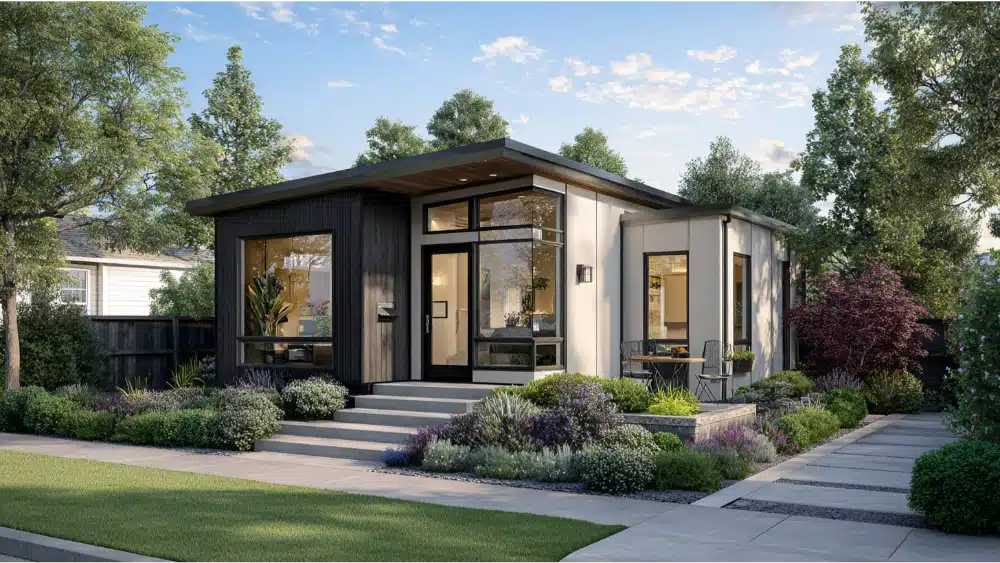
Custom home costs vary because every custom home is uniquely designed, engineered, and built. No two custom home projects share identical site conditions, floor plans, or material selections.
The overall cost of a custom home is shaped by complexity, labor availability, and design intent. Even when square footage is similar, construction cost can shift significantly based on layout efficiency, raw materials, and finish level.
Building a custom home is a complex process that requires coordination across architecture, engineering, and construction. Without proper planning, unexpected expenses and hidden costs can appear once construction begins, affecting the final price and budget stability.
Location, Land Cost, and Site Conditions
Land cost is a major factor in custom home costs. The location of a property can significantly impact both upfront costs and long-term value. In some markets, land cost may represent a large portion of total cost before construction begins.
Site preparation is essential before building a custom home. This may include tree removal, grading, drainage solutions, and utility connections. Site preparation can significantly impact construction cost depending on terrain and soil conditions.
Some properties require retaining walls or septic systems, especially in rural areas where municipal infrastructure is limited. Septic systems and utility connections can increase overall cost and introduce extra expenses that must be included in a realistic budget.
Site access is another major factor, as difficult access can increase labor costs and material delivery challenges.
Design Complexity, Square Footage, and Floor Plans

Square footage is one of the most important drivers of custom home costs. Cost per square foot is commonly used to estimate construction cost, but it varies depending on design complexity and finish level.
Floor plans with open layouts or complex geometry often require more materials and labor in framing, electrical, and mechanical systems. This directly increases construction cost per square foot.
A well-designed custom home balances square footage with efficiency to control costs while maintaining design intent. In contrast, inefficient layouts can increase both labor costs and material costs.
Material Selection and Interior Elements
Material costs play a major role in determining custom home costs. Choices in exterior materials, interior elements, and building materials directly influence overall cost.
High-end selections such as custom cabinetry, lighting fixtures, and premium flooring increase material costs but elevate the quality of the custom home. Plumbing fixtures and finishes also contribute to variations in budget.
Raw materials have seen fluctuations in the construction industry, which can significantly impact construction cost and final price.
Selecting materials carefully helps control costs and avoid unnecessary expenses while maintaining design integrity.
Mechanical Systems, Energy Efficiency, and Solar Integration
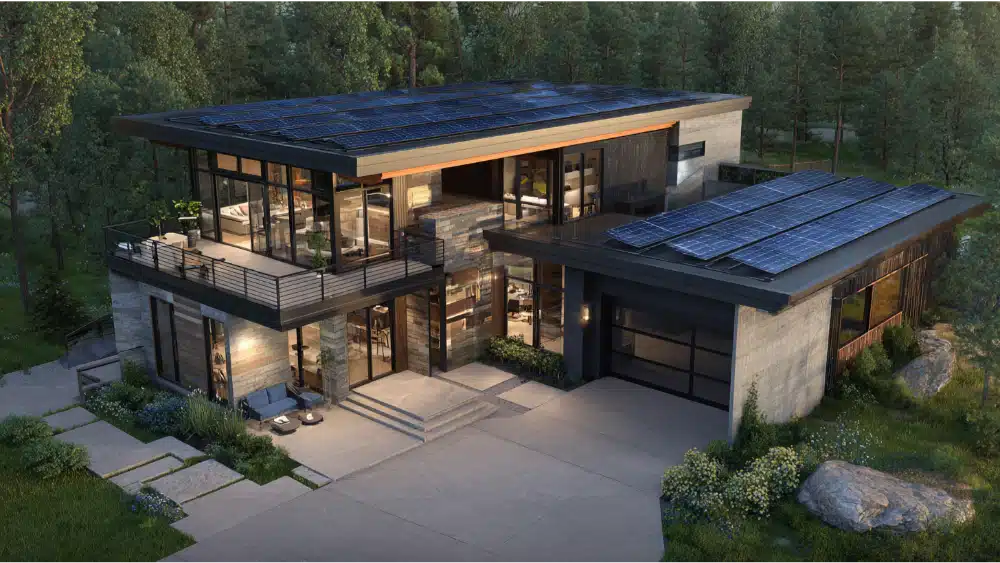
Modern custom home construction often includes energy-efficient systems designed to improve comfort and reduce long-term energy bills. These systems can involve higher upfront costs but offer long-term savings.
Energy efficiency features such as solar panels are increasingly common in custom home projects. Solar panels may increase upfront costs but can reduce monthly costs over time by lowering energy bills.
Energy-efficient systems also contribute to long-term property value and improved sustainability in custom building practices.
Labor Costs, Skilled Labor, and Construction Industry Conditions
Labor costs are one of the most influential cost factors in building a custom home. Skilled labor is essential for quality craftsmanship and precision during construction.
Labor availability in the construction industry continues to affect pricing and scheduling. Limited skilled labor can increase construction cost and extend timelines.
An experienced builder with a proven track record helps manage labor coordination and maintain quality throughout the construction process. Strong project oversight helps control costs and reduce unnecessary expenses.
Permits, Building Codes, and Regulatory Requirements
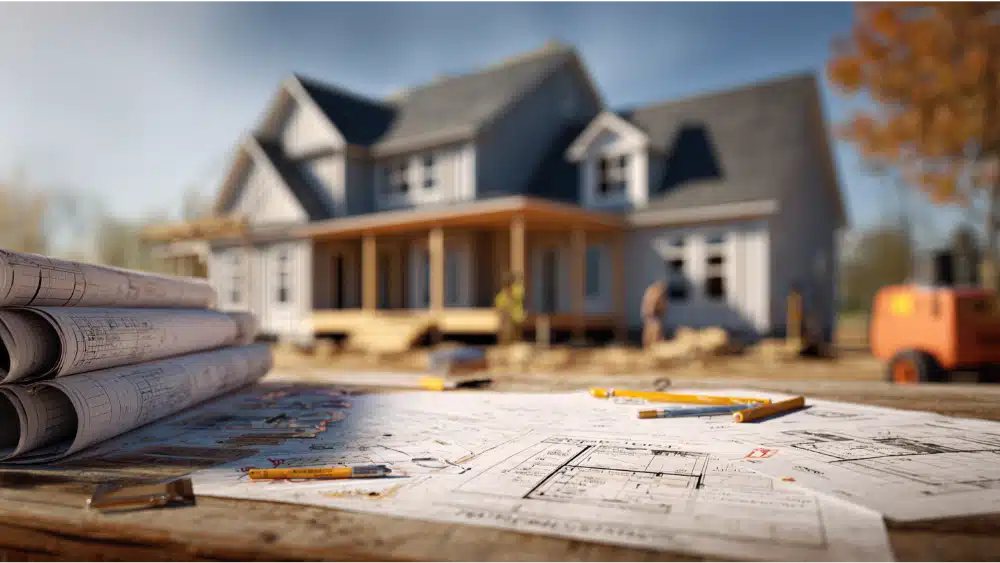
Building permits are required before construction begins. Permit fees vary depending on location and project scope and often contribute to overall cost.
Local building codes and enforcement ensure safety and compliance but may require design modifications that increase construction cost.
Permit fees can accumulate across multiple phases including zoning approval, inspections, and final occupancy approval. These permit fees must be included in a realistic budget to avoid unexpected costs.
Mechanical Infrastructure, Utility Connections, and Drainage
Utility connections are essential in custom home construction. Water, sewer, and electrical connections often require coordination and connection fees that impact total cost.
Septic systems may be required when municipal sewer access is not available. These systems add installation costs and long-term maintenance considerations.
Drainage solutions are also critical for protecting the foundation and preventing water damage. These systems are a necessary part of site preparation and the overall construction process.
Construction Timeline, Financing, and Monthly Costs
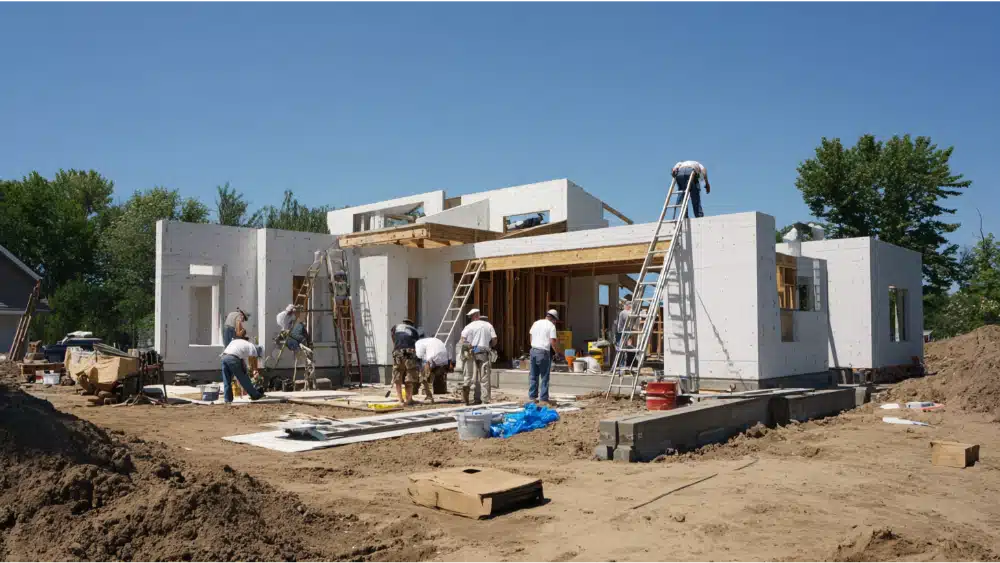
The construction process impacts both timeline and cost. Delays during construction can increase labor costs and extend the duration of the project.
Construction loans are often used to finance building a custom home. These loans introduce interest payments that affect total cost over time and must be included in financial planning.
Monthly costs may include loan interest, temporary housing, or property taxes on an existing home while construction continues. These ongoing expenses influence overall budget planning.
Builder Expertise and Custom Home Construction Management
An experienced builder plays a critical role in managing custom home costs. A strong design-build approach helps align architecture, engineering, and construction decisions early in the building process.
Custom home construction requires coordination to avoid delays and reduce unnecessary expenses. Proper planning ensures that floor plans, materials, and systems are aligned with budget expectations.
A proven track record in custom home construction helps ensure predictable outcomes and reduces hidden costs during the construction process.
Budget Planning, Contingency Fund, and Hidden Costs

A contingency fund is essential when building a custom home. A contingency budget helps cover unforeseen costs and unexpected expenses that may arise during construction.
Hidden costs are common in custom home projects and may include permit fees, utility connections, or additional site preparation. These hidden costs can significantly impact overall cost if not planned for in advance.
Unexpected costs may also arise from design changes, weather delays, or material availability issues. A contingency fund helps manage these risks and protects the overall budget.
Proper planning is essential to avoid financial strain and maintain control over the building process.
Financing, Construction Loans, and Financial Planning
Construction loans are a key part of financing building a custom home. These loans provide phased funding throughout construction and are tied to project milestones.
Interest payments during construction can increase total cost and should be included in early financial planning. Temporary housing costs and property taxes on an existing home may also apply during this period.
Understanding these financial elements ensures a more accurate and realistic budget before construction begins.
Frequently Asked Questions (FAQs)
What factors affect the cost of building a custom home?
The cost is influenced by land price, site conditions, design complexity, square footage, material selections, labor costs, permits, utility connections, and market conditions.
How do architectural fees impact the overall budget?
Architectural fees typically range from 8% to 15% of construction costs and can increase with design complexity, affecting the total investment in your custom home journey.
Are there extra costs I should anticipate during construction?
Yes, extra costs such as site preparation, permit fees, utility connections, and design changes can arise. Planning a contingency fund helps manage these increasing costs.
How does the choice of materials influence construction costs?
Premium materials like custom cabinetry, exotic hardwoods, and stone exteriors raise costs significantly compared to standard options, impacting both material and labor expenses.
What role do permits and fees play in the construction project?
Permits and development fees vary by location and can add substantial costs. They often scale with home size and require budgeting alongside construction expenses.
How can energy-efficient systems affect my custom home budget?
Incorporating energy-efficient and smart home systems increases upfront costs by 12% to 20% but can reduce long-term utility expenses and add value to your home.
Final Cost Considerations and Dream Home Planning
The final cost of building a custom home depends on land cost, square footage, design complexity, and material selection. Every decision made throughout the building process contributes to overall cost.
Square foot pricing helps estimate cost per square foot, but actual custom home costs vary based on site conditions, labor costs, and finish level.
Building a custom home is both a financial investment and a lifestyle decision. With proper planning, homeowners can move forward confidently in creating their dream home while maintaining control over costs and avoiding unnecessary expenses.
A thoughtful approach ensures the dream home is both beautifully designed and financially sustainable.