

What Are the Best Layouts for Small ADUs?
Why ADU Layout Matters More Than Square Footage
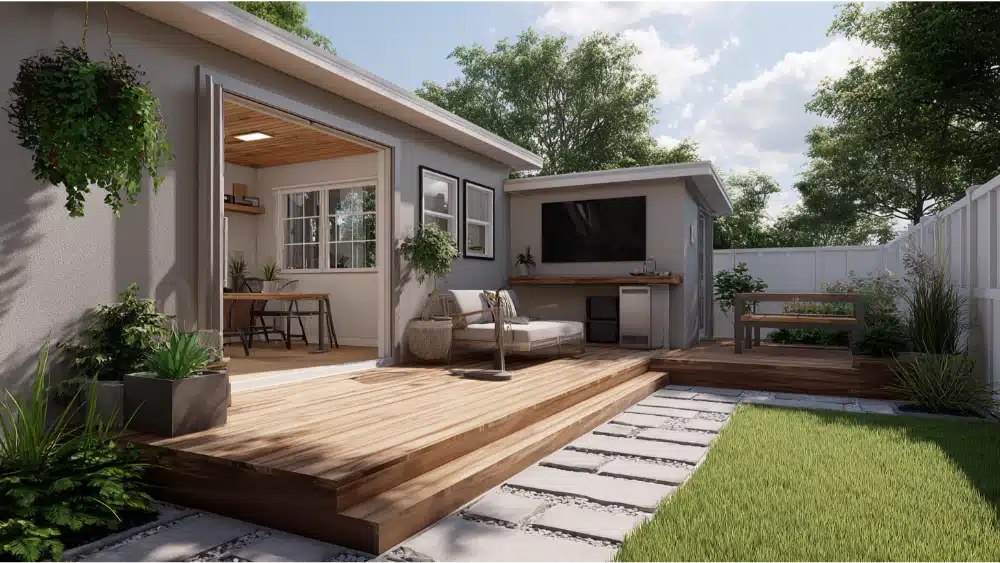
Understanding what are the best layouts for small accessory dwelling unit ADUs starts with recognizing that layout has more impact than size alone. In any accessory dwelling unit ADU, success is not determined by square foot counts but by how efficiently the living space is organized, lit, and experienced day to day.
A well-planned small ADU transforms limited square feet into a functional, comfortable environment where every inch of valuable floor space contributes to usability. The goal is to reduce wasted space, improve flow, and create a living area that feels open, intentional, and connected. When designed correctly, even a compact ADU can feel spacious, flexible, and highly livable with an airy atmosphere. For those wondering what are the best layouts for small ADUs, focusing on smart design principles such as open floor plans, built-in storage, and maximizing natural light is essential to creating a space that feels larger and more functional.
Key Principles Behind Effective Small ADU Layouts
Maximizing Open Space Without Sacrificing Function
The foundation of strong ADU design is an open concept living floor plan. An open layout removes unnecessary interior walls and allows the living space to feel larger and more connected. Instead of dividing rooms rigidly, spaces are defined through furniture placement, lighting, and subtle architectural transitions.
This approach increases usable space while improving circulation and space efficiency. It also enhances natural light distribution, which makes the entire compact space feel more expansive and comfortable, helping it feel luxurious despite a smaller square foot count.
Smart Zoning for Daily Living
Effective floor plans rely on zoning rather than separation. A well-designed small ADU uses visual cues to define spaces without blocking flow. Living area, dining space, and kitchen zones are arranged to support daily routines while maintaining openness.
Reflective surfaces, light colors, and multifunctional furniture help define spaces without introducing unnecessary barriers. This keeps the main living space flexible and efficient, making the most of valuable floor space.
Built-In Storage as a Design Foundation
Built-ins are essential in maximizing usable space. Built-in cabinetry, tall cabinets, and integrated shelving reduce clutter and eliminate the need for bulky furniture.
Hidden compartments and under-stair storage solutions further improve organization. These smart storage strategies preserve floor space and ensure the layout remains clean and functional, which is a key feature of efficient layouts.
Natural Light and Spatial Perception
Natural light is one of the most powerful design tools in any small ADU. Large windows, glass doors, and sliding glass doors help maximize natural light and visually expand the interior.
When natural light moves freely through the space, the result is a brighter living space with a more inviting atmosphere and airy atmosphere. It also enhances the connection between indoor and outdoor living space, making the home feel significantly larger than its square footage suggests.
Studio ADU Layouts: The Most Efficient Starting Point
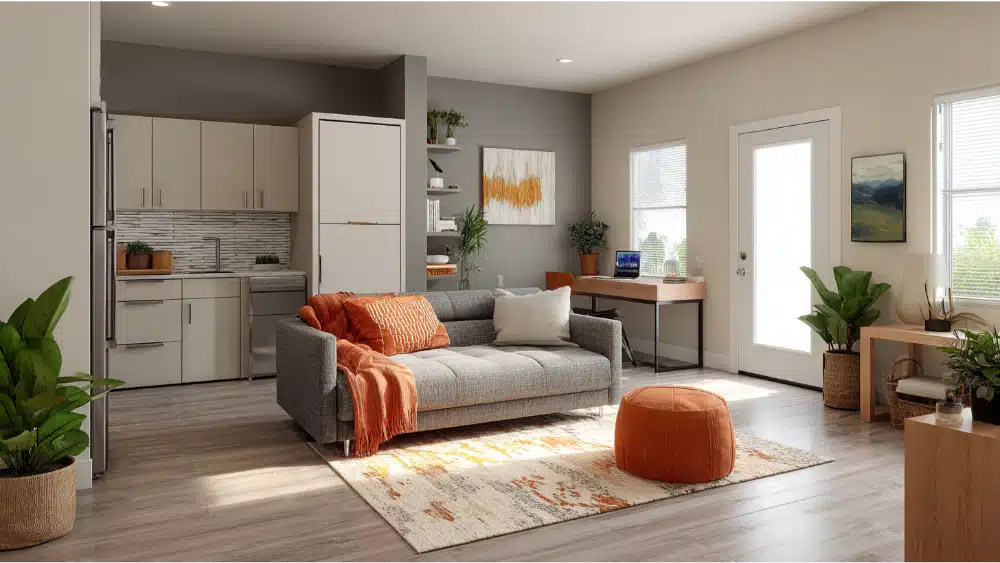
When a Studio Layout Makes the Most Sense
A studio small ADU is one of the most efficient ways to use limited square footage. It works especially well for a guest suite, rental unit, or backyard cottage where a single room can serve multiple functions.
This layout eliminates interior walls and focuses on a single open space that functions as sleeping, dining, and living area.
Design Strategies That Make Studios Feel Larger
Studio layouts rely heavily on multifunctional furniture such as sofa beds and Murphy beds. Murphy beds allow the living space to transform throughout the day, creating flexibility without increasing square footage.
Smart storage solutions like built-ins and tall cabinets reduce clutter and improve organization. Large windows and reflective surfaces help maximize natural light, while a compact dining table maintains flexibility in the floor plans.
Pros and Tradeoffs of Studio ADUs
A studio compact ADU is highly efficient and cost effective. It maximizes open layout design but offers limited privacy. Thoughtful design helps balance this by creating subtle zones within a single room, ensuring the space remains functional and comfortable.
One-Bedroom ADU Layouts: Balancing Privacy and Efficiency
Ideal Use Cases for One-Bedroom Units
A one-bedroom accessory dwelling unit ADU is ideal for long-term rental, multigenerational living, or private guest accommodations. It offers separation between sleeping and living areas while maintaining efficient floor plans.
Smart One-Bedroom Floor Plan Strategies
In strong ADU design, the bedroom is positioned away from the main living space to create privacy without excessive interior walls. The kitchen and living area are combined into an open concept living layout to maintain flow and improve usability.
Built-ins, under-bed drawers, and tall cabinets enhance storage while keeping the space organized and efficient. Natural light is prioritized through large windows and glass doors, improving comfort and visual openness.
Design Enhancements for Comfort
A well-designed one-bedroom small ADU improves livability through sound control, lighting, and layout clarity. Sliding glass doors often connect the living area to outdoor living space, extending usable space beyond the interior footprint.
Lofted ADU Layouts: Maximizing Vertical Space
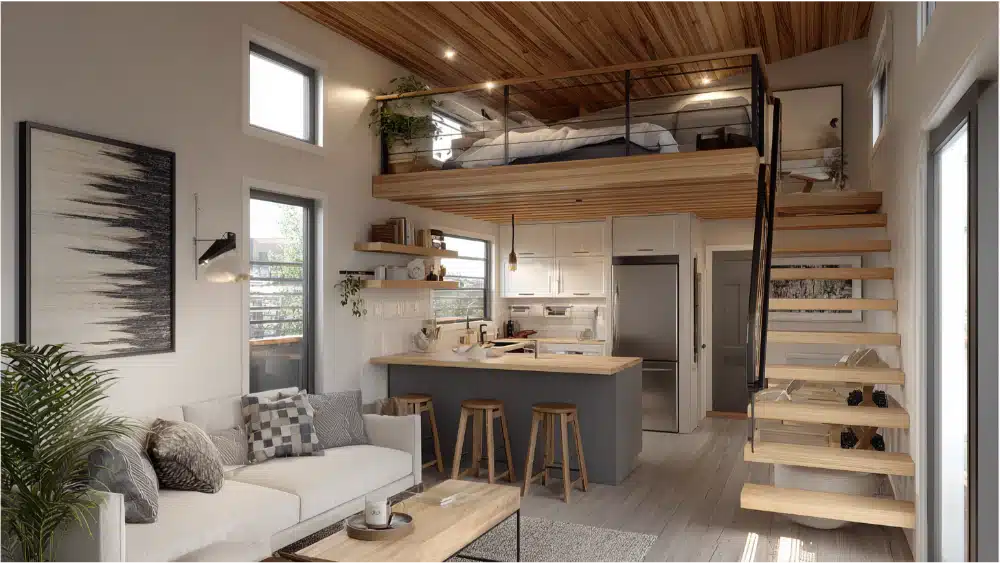
Why Loft Designs Are Trending
Lofted sleeping area designs use vertical space to increase functionality without expanding the building footprint. This approach is ideal for compact ADU projects where floor space is limited but vertical design opportunities are available.
Ground Floor vs Loft Planning
The main living space is typically located on the ground floor, while the lofted sleeping area is positioned above. This separation allows the lower level to remain open and flexible for kitchen and living functions.
Under-stair storage and built-ins help maximize efficiency, ensuring no usable space is wasted.
Design Considerations for Comfort
High ceilings are essential in loft layouts because they enhance airflow and make the space feel larger. Vertical design elements help balance proportions and maintain comfort throughout the home, contributing to a luxurious feel.
Narrow Lot and Linear ADU Layouts
Why Linear Layouts Work
Linear floor plans are highly effective for narrow or constrained sites. These layouts organize the entire space in a straight line, improving efficiency and simplifying structural design.
Avoiding the Tunnel Effect
To prevent a narrow or closed feeling, designers prioritize natural light and visual depth. Large windows placed at both ends of the structure, along with glass doors and reflective surfaces, help maximize natural light and maintain openness.
Best Applications
Linear layouts are commonly used in garage conversions or compact footprint builds where zoning and structure limit expansion. They are practical, efficient, and adaptable within building codes.
L-Shaped and Courtyard ADU Layouts: Premium Small Space Design
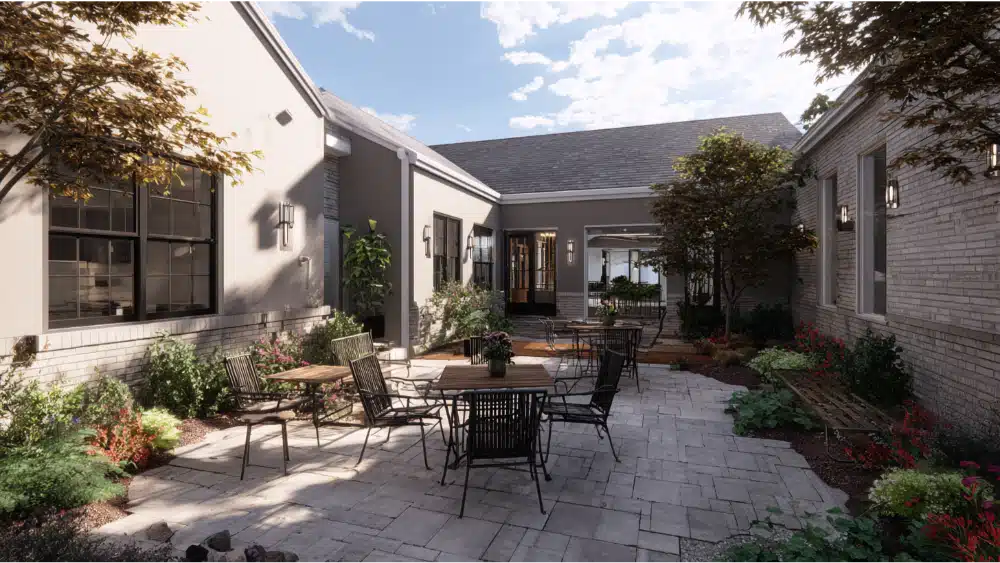
Creating Indoor-Outdoor Flow
L-shaped floor plans create a strong relationship between indoor and outdoor living space. By wrapping around a courtyard or patio, the design increases perceived space and improves privacy.
Privacy Advantages
This layout naturally defines spaces and separates the ADU from neighboring structures. It enhances comfort while maintaining openness and flexibility.
Elevated Design Features
Sliding glass doors and glass doors are often used to strengthen indoor-outdoor flow. These features extend the living area visually and physically, creating a seamless transition between interior and exterior environments.
Garage Conversion ADU Layouts: Efficient and Cost-Effective Solutions
Structural Advantages
Garage conversions offer a highly efficient path to creating a compact ADU. The existing structure reduces construction time and improves cost efficiency while maintaining usable space.
Layout Optimization Strategies
Service walls that combine kitchen and bathroom systems improve efficiency and reduce wasted space. Built-ins and tall cabinets help organize the living space, while smart layout planning ensures every square inch serves a purpose.
Common Challenges and Solutions
Garage conversions often require insulation upgrades and adjustments to building codes. With thoughtful design, even constrained floor plans can be transformed into fully functional and comfortable living areas.
Choosing the Right ADU Layout for Your Property

Selecting the right floor plans depends on lot size, lifestyle needs, and intended use. A small ADU designed for rental income may prioritize efficiency, while a backyard cottage or guest suite may emphasize comfort and separation with separate entrances.
A two-bedroom ADU can be appropriate for larger lots or multigenerational households where additional privacy and flexibility are required. In contrast, studio and one-bedroom layouts are more efficient for compact sites.
The most effective ADU design always aligns square footage with function, ensuring the layout enhances daily living rather than restricting it.
Design Trends Shaping Small ADU Layouts in 2026
Modern ADU design increasingly focuses on flexibility and adaptability. Multifunctional furniture, built-ins, and smart storage systems are now standard in well-designed small ADU projects.
Natural light remains central to modern planning, with large windows, glass doors, and sliding glass doors used to enhance openness. Vertical space is also being used more intentionally, with lofted sleeping area concepts and vertical design elements becoming more common.
Rooftop decks and rooftop gardens are emerging in select projects where building codes allow, offering additional outdoor living space and extending functionality beyond the interior footprint.
Why Thoughtful ADU Design Impacts Long-Term Value
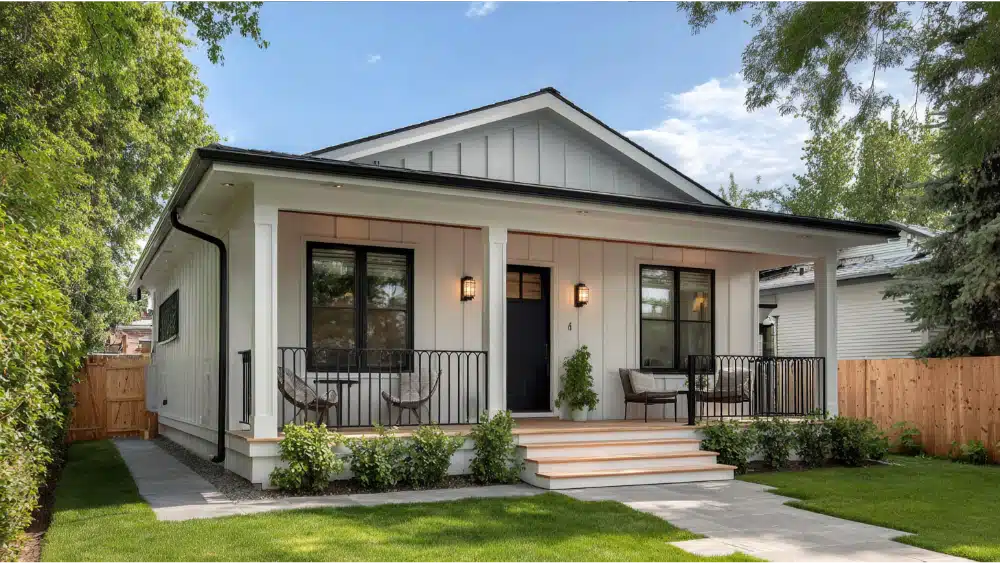
A well-designed accessory dwelling unit ADU improves long-term value by increasing livable space and enhancing usability. Smart layout decisions reduce wasted space and improve everyday comfort.
When every square foot is planned with intention, the result is a home that feels larger, functions better, and adapts more easily over time. Strong ADU design ensures the space remains practical, efficient, and enjoyable for years to come.
Frequently Asked Questions About Small ADU Layouts
What are the best layouts for small ADUs?
The best layouts include studio, one-bedroom, and loft configurations that prioritize open concept living, natural light, and efficient use of valuable floor space.
How do you make a small ADU feel larger?
Using large windows, glass doors, built-ins, and open floor plans helps maximize natural light and reduce visual barriers, making the space feel more open and airy.
What layout works best for limited square footage?
Studio and linear layouts are most effective for compact space because they maximize usable space while minimizing interior walls and wasted space.
Can a small ADU still feel comfortable?
Yes, with smart layout planning, multifunctional furniture, and thoughtful ADU design, even limited square footage can feel spacious, luxurious, and inviting.
Conclusion: Designing ADUs That Feel Larger, Smarter, and More Livable
The answer to what are the best layouts for small ADUs comes down to intentional planning, efficient use of space, and thoughtful ADU design. Whether working with a compact ADU, a backyard cottage, or a garage conversion, the right floor plans transform limited square footage into a highly functional living environment.
With the right balance of natural light, vertical space, built-ins, and open layout strategies, even a small footprint can feel open, comfortable, and highly livable while maximizing every inch of valuable floor space.