

Planning a home renovation requires more than inspiration; it requires a structured approach that brings clarity to every decision. This home renovation planning guide is designed to help you navigate each phase step by step, so your project moves forward with confidence. Whether you are updating a single room or planning a whole house transformation, a clear strategy ensures your investment supports your long-term goals. Many homeowners today are choosing to stay in place and improve their homes rather than move, which makes thoughtful planning essential to achieving a dream home that lasts.
Why Thoughtful Renovation Planning Matters More Than Ever
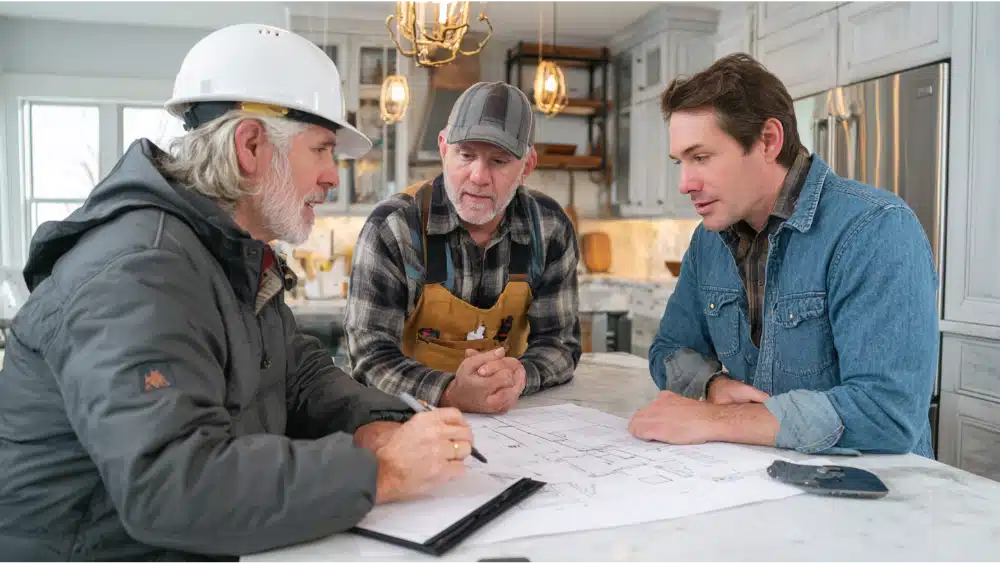
Home renovations have shifted toward long-term living, not quick upgrades. Many homeowners are investing in spaces that support a growing family, remote work, and everyday comfort. Without a clear plan, even a simple remodeling project can lead to costly surprises, frustrating delays, and misaligned expectations.
A successful renovation begins with understanding your priorities and aligning them with a solid plan. When you start planning early, you create a framework that guides your entire renovation project. This includes aligning your overall budget, defining scope, and assembling the right team. Working with a design-build team ensures everyone stays on the same page, reducing risk and improving communication. A clear vision from the beginning helps transform your house renovation into a smooth and rewarding experience.
Step 1 | Define Your Renovation Goals
Every successful renovation project begins with a clear understanding of what you want to achieve. Start by identifying the challenges in your current home. Are you dealing with an outdated kitchen, a bathroom renovation that no longer functions, or limited space for a growing family? These insights shape your goals and guide your decisions.
Separate your priorities into must-haves and nice-to-haves. This step-by-step process helps prevent scope creep and keeps your renovation budget aligned. Think about how your needs may evolve over time. If you plan to eventually sell, your renovation should balance personal style with broader appeal. If you plan to stay long term, focus on comfort and usability.
A detailed plan at this stage ensures your home renovation project reflects your lifestyle. Whether you are reworking a single room or planning large renovations, defining your goals creates a strong foundation for every decision that follows.
Step 2 | Set a Realistic Budget and Understand What Drives Cost

Creating a realistic budget is one of the most important steps in any home remodel. Your renovation budget should account for materials, skilled labor, permits, and potential hidden costs. Without a clear financial plan, unexpected costs can quickly disrupt your project.
Costs vary depending on the scope of renovation work. Smaller projects such as updating a single room may be more manageable, while large renovations involving structural changes, moving walls, or electrical and plumbing upgrades require a higher investment. Building materials, finishes, and custom features also influence your overall budget.
It is essential to include a contingency fund to prepare for unexpected structural issues or hidden costs. A contingency fund protects your project from delays and ensures you can address issues like a leaky roof or outdated electrical and plumbing systems without compromising your design.
When you start planning with a realistic budget, you reduce risk and gain confidence. A well-defined financial strategy allows you to make informed decisions and keeps your house renovation moving forward without costly surprises. Planning carefully can also help you save money by avoiding costly last-minute changes and making smarter choices about materials and contractors.
Step 3 | Choose the Right Renovation Approach
The structure of your remodeling project has a direct impact on its success. Many homeowners face challenges when hiring contractors separately for design and construction. This approach can create communication gaps and lead to unexpected costs.
A design-build model brings your interior designer, general contractor, and project management team together from the beginning. This ensures your renovation project is guided by a cohesive strategy. When everyone is aligned, your project stays on schedule and within budget.
Choosing the right contractor is critical. A good contractor brings experience, coordination, and attention to detail. The right contractor also helps manage skilled labor, oversees demolition work, and ensures compliance with building codes. When you work with a unified team, your home renovation project becomes more efficient and less stressful.
Step 4 | Prioritize Projects That Add Value

Not all home renovations deliver the same impact. Kitchens, bathrooms, and exterior renovations consistently offer strong returns while improving daily life. A bathroom renovation can enhance both comfort and functionality, while a kitchen upgrade creates a central gathering space.
It is important to balance personal goals with long-term value. If you plan to eventually sell, focus on improvements that appeal to a wide audience. If your goal is a dream home, prioritize features that enhance your lifestyle. Projects like adding an outdoor kitchen or upgrading your living space can significantly improve how you use your home.
By focusing on high-impact upgrades, you ensure your renovation project delivers meaningful results. This step-by-step approach helps you allocate resources wisely and achieve a successful renovation.
Step 5 | Plan for Layout, Flow, and Function First
Before selecting finishes, focus on how your space works. The existing layout plays a major role in how your home feels and functions. Adjusting room configurations, improving traffic flow, and optimizing storage can transform your space.
A well-designed floor plan ensures your home supports your daily routine. Whether you are creating an open concept or defining separate areas, layout decisions should come first. Moving walls and making structural changes can improve usability, but they require careful planning.
Working with an interior designer helps you explore layout ideas that align with your vision. A thoughtful floor plan creates a new space that feels cohesive and intentional. When layout is prioritized, every other design decision becomes easier.
Step 6 | Build a Smart Timeline
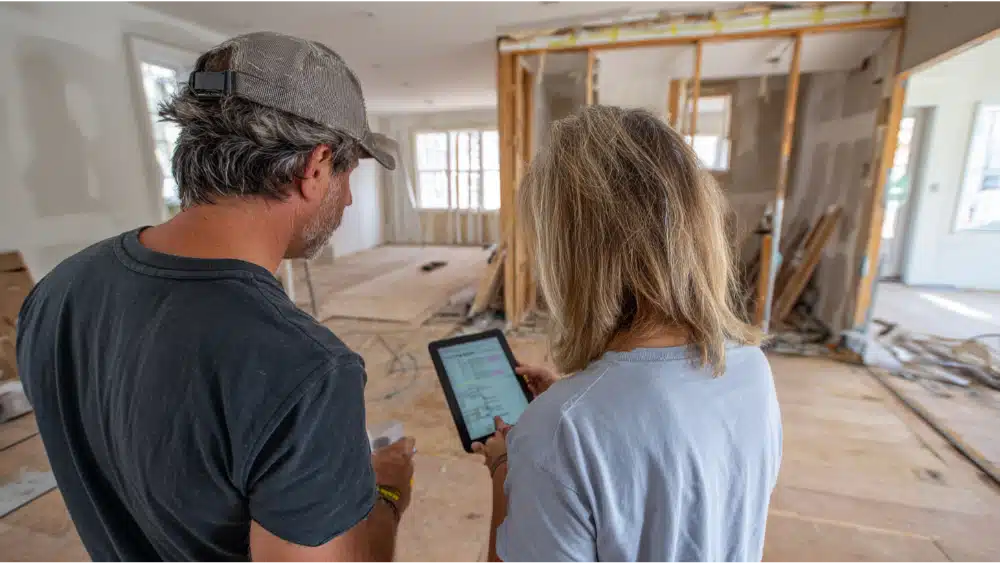
Every renovation project follows clear phases, from planning and design to construction and completion. Understanding this timeline helps you set realistic expectations and avoid frustration. Larger projects, such as a whole house renovation, require more time than smaller projects focused on a single room.
Pre-construction planning is where your project takes shape. This phase includes design development, material selection, and permit approvals. Construction involves demolition work, installation, and finishing details. Each stage must be carefully coordinated to keep the project on track.
Frustrating delays can occur due to material availability, labor shortages, or permitting requirements. A well-organized timeline reduces risk and ensures your renovation work progresses smoothly. With a solid plan in place, your project remains efficient from start to finish.
Step 7 | Understand Permits, Codes, and Regulations
Building codes and permit requirements are essential for any home renovation project. These regulations ensure safety and compliance, especially when structural work, electrical and plumbing, or HVAC system updates are involved.
Working with professionals simplifies this process. Your team will handle permits, inspections, and approvals, ensuring your project meets all building codes. Skipping this step can lead to delays, fines, or costly corrections.
Whether you are upgrading your heating system, installing new windows, or modifying your HVAC system, compliance is critical. Addressing these requirements early protects your investment and keeps your renovation on schedule.
Step 8 | Incorporate Energy Efficiency and Smart Upgrades
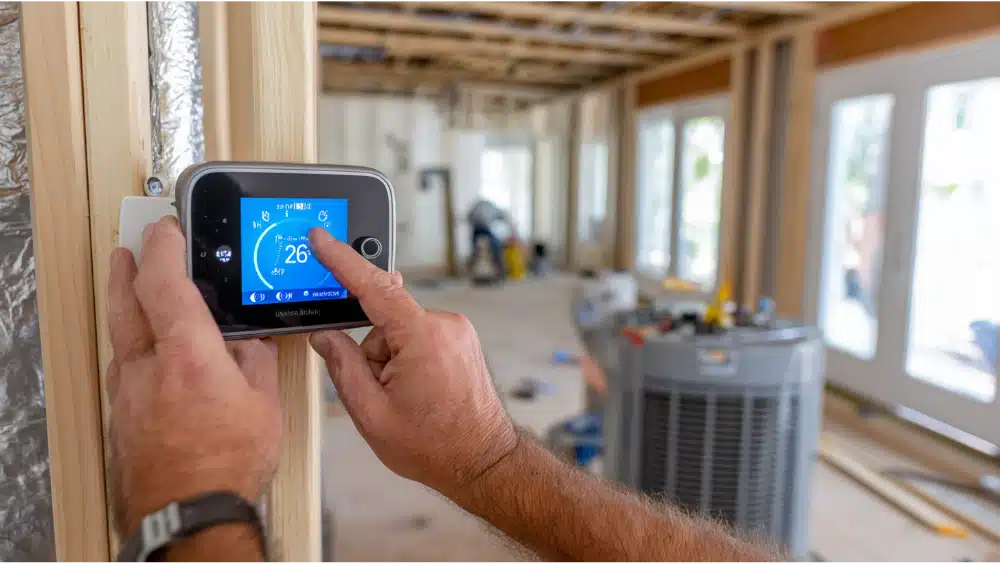
Energy efficiency plays a major role in modern home renovations. Upgrading to energy-efficient systems can reduce long-term costs and improve comfort. Improvements such as new windows, updated insulation, and a modern HVAC system contribute to a more sustainable home.
Consider upgrading your central heating and air conditioning systems to improve performance. Adding smart technology can enhance convenience and control. These upgrades not only improve daily living but also increase property value.
Planning for energy efficiency early allows you to integrate these features seamlessly into your renovation project. This step ensures your home is both functional and future-ready.
Step 9 | Select Materials and Finishes with Intention
Material selection brings your vision to life. From flooring to cabinet hardware, every detail contributes to the final result. Choosing high-quality building materials ensures durability and long-term value.
Focus on balancing style with practicality. While trends can be appealing, timeless choices often provide better longevity. Your interior designer can help you coordinate finishes that create a cohesive look throughout your home.
Thoughtful selections prevent rework and reduce costs. When materials are chosen with intention, your renovation feels polished and complete.
Step 10 | Prepare for Construction

Preparation is key to a smooth construction phase. Your home will become a construction zone, and understanding what to expect helps reduce stress. Construction dust, noise, and limited access are common during renovation work.
Decide whether you will remain in your home or relocate temporarily. If you stay, consider using an air purifier to improve air quality. Clear communication with your team ensures everyone stays on the same page throughout the project.
Proper preparation allows your project to move forward without unnecessary disruptions. With the right team in place, your renovation experience becomes more manageable.
Step 11 | Avoid Common Renovation Mistakes
Many renovation challenges can be avoided with careful planning. One of the most common mistakes is underestimating the complexity of a project. Unexpected structural issues, hidden costs, and poor planning can quickly derail progress.
Avoid making decisions too late, as this can lead to delays and increased costs. Hiring contractors based solely on price can also impact quality. Instead, focus on finding a good contractor with proven experience.
A successful renovation requires a clear plan, a realistic budget, and a team you trust. By taking a proactive approach, you reduce risk and create a smoother process.
Frequently Asked Questions About Home Renovation Planning
How much should I budget for a home renovation project in 2025?
Your renovation budget depends on the size and scope of your project. Smaller projects may require a modest investment, while large renovations can be more extensive. Establishing a realistic budget early helps guide your decisions and prevents overspending.
How long does a typical remodeling project take?
Timelines vary depending on complexity. A single room update may take several weeks, while a whole house renovation can take several months. Planning ahead ensures your project stays on schedule.
Should I renovate all at once or in phases?
This depends on your goals and budget. Completing all work at once can create a cohesive result, while phased projects allow for flexibility. A professional team can help you determine the best approach.
Do I need an interior designer before hiring a general contractor?
Yes, working with an interior designer early helps define your vision and create a detailed plan. This ensures your contractor can execute the project efficiently.
What renovations add the most value to a home?
Kitchens, bathrooms, and exterior renovations typically offer strong returns. Improvements that enhance functionality and comfort also add value.
How do I avoid going over budget during a renovation project?
Start with a solid plan, include a contingency fund, and make decisions early. Working with the right team helps you stay on track.
Final Thoughts: Plan with Clarity, Build with Confidence
A well-planned renovation is the foundation of a successful renovation. When you approach your home renovation project with a clear vision, a detailed plan, and the right team, the entire process becomes more predictable and rewarding. Whether you are updating a single room or transforming your entire home, thoughtful planning ensures your investment supports your long-term goals.
If you are ready to start planning your next project, our team is here to help you bring your vision to life. Schedule your consultation today and take the first step toward creating your dream home, building on a solid foundation for a newly renovated home that you will cherish for years to come.