

Should I Buy Land Before Hiring a Custom Home Builder?
Building a custom home is one of the most important investments a homeowner will ever make. The decision of whether to start with buying land or engage a custom home builder first shapes everything that follows, from budget accuracy to design flexibility and long-term satisfaction.
At Origami Design Build, this question is often the very beginning of the custom home journey. The reality is that there is no one-size-fits-all answer. The right approach depends on land suitability, zoning laws, construction costs, and how early a custom home builder is brought into the process.
In most cases, the safest and most strategic path involves engaging a custom home builder before committing to buying land, so every decision is informed by real construction knowledge rather than assumptions.
Why It’s Important to Decide Whether to Buy Land Before Hiring a Custom Home Builder
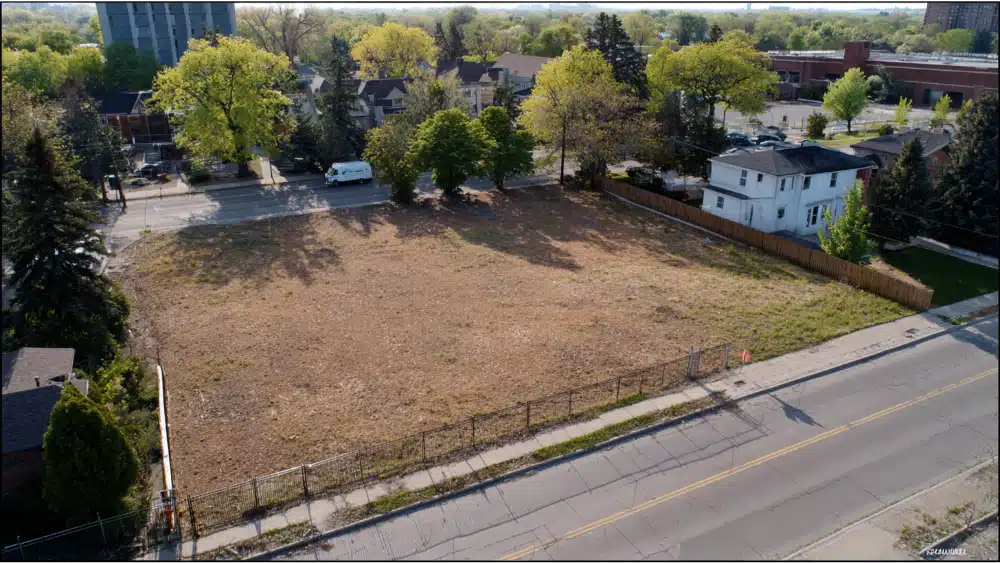
The question “should I buy land before hiring a custom home builder” matters because it directly influences the success of the entire custom home process. Many homeowners assume land is simply the first step, but in reality, land sets what can be built, how much it will cost, and how complex the construction process will be.
When buying land happens without builder input, homeowners often discover zoning restrictions, local building codes, or land preparation challenges too late. These issues can significantly affect construction costs and even limit what kind of custom home can be built.
A custom home is not just designed for a location, it is shaped by it. That is why early alignment between land and builder is so important in creating the perfect home.
Buying Land First vs Working With a Custom Home Builder First
Both approaches exist in custom home building, but they lead to very different outcomes depending on how informed the process is from the beginning.
Buying Land First
Buying land first often feels like a natural first step. It gives a sense of ownership and allows the buyer to secure a preferred location before it is no longer available. Many homeowners are drawn to this approach because it feels like progress toward a dream new home.
However, buying land first without a custom home builder introduces risk. Land may appear ideal but still contain hidden challenges that affect construction feasibility.
Common issues include unexpected costs related to site preparation, zoning restrictions, limited utility access, and expensive land development requirements. In some cases, a septic tank may be required, adding both cost and complexity.
Without professional evaluation, buying land first can lead to costly surprises once the building process begins, forcing the buyer to pay more money than anticipated.
Working With a Custom Home Builder First
Working with a custom home builder first creates a more structured and informed approach. Instead of guessing whether land will work, the builder evaluates properties based on real construction requirements.
A custom builder helps assess zoning laws, local building codes, land suitability, and utility access before purchase. This ensures the land supports the future home rather than restricting it.
This approach also allows better budget alignment. Construction costs can be estimated more accurately when land conditions are known in advance, reducing financial risk throughout the entire process.
Why Builder First Often Makes More Sense
A builder first approach is often the most reliable strategy because the choice depends on prioritizing feasibility over emotion. Instead of reacting to available land selections, the builder helps guide land acquisition based on what actually works for the custom home design and budget.
This reduces delays, prevents redesigns, and ensures the home can be built efficiently once construction begins.
Why Land Is More Complex Than It Appears
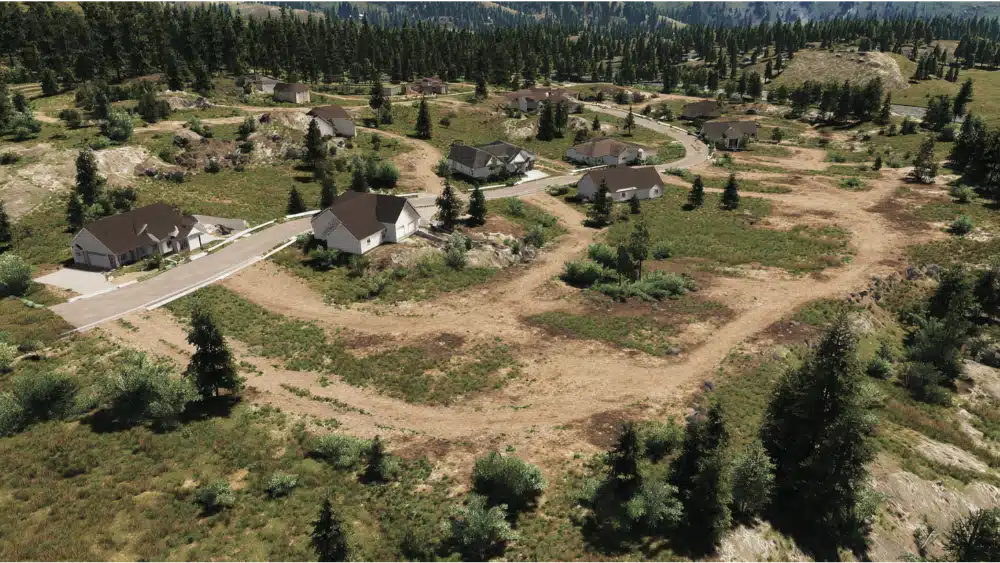
Land may seem simple at first glance, but it contains multiple layers of complexity that directly affect construction.
Site Conditions and Land Suitability
Every piece of land has unique physical characteristics. Slope, drainage, soil quality, and access all influence whether it is suitable for building. Some properties require extensive land preparation before construction can even begin.
A custom home builder evaluates these conditions early to ensure the land can support the planned structure.
Zoning Laws and Local Building Codes
Zoning laws and local building codes determine what can be built on a property. These regulations control home size, height, setbacks, and overall land use.
Without understanding zoning requirements, a buyer may purchase land that cannot support their intended custom home plans. A builder helps interpret these rules early to avoid costly mistakes.
Utility Access and Infrastructure Challenges
Utility access is one of the most overlooked aspects of buying land. Water, electricity, and sewage connections are not always readily available.
If utilities are not present, installation can significantly increase construction costs. In rural areas, a septic tank may also be required, adding further complexity to the building process.
Easements and Access Limitations
Access to land affects everything from design options to construction logistics. Easements may restrict where a driveway, house, or utility lines can be placed.
These limitations can reduce design flexibility and increase overall project costs if not identified early.
The Financial Reality of Buying Land First
Buying land first without understanding total project costs can distort the overall budget for a custom home.
Land is only one part of the financial equation. Construction costs, permits, site work, and utility installation all contribute to the final investment.
When land is purchased without a builder, homeowners often underestimate total costs. This can lead to budget strain once construction begins and reduce flexibility in design decisions.
Hidden costs in land development, such as grading, clearing, and infrastructure installation, can also increase total project expenses significantly.
Securing financing often involves a construction loan, which differs from traditional mortgages and land purchase loans. Understanding these financial products early is essential for budgeting and planning.
Working with a real estate agent and a real estate attorney during the land purchase process can help navigate legal and transactional complexities, ensuring that contracts include contingencies like an option period to protect against unexpected costs or issues.
Why Early Builder Involvement Improves Outcomes

A custom home builder brings structure and clarity to what can otherwise be an overwhelming decision.
When involved early, a builder evaluates land for feasibility, cost implications, and design potential. This ensures that every property considered aligns with both budget and vision.
Early involvement also improves cost accuracy. Instead of estimating construction costs separately from land, the entire project is evaluated together, creating a more realistic financial plan.
In addition, a builder helps ensure that the home design responds to the land rather than forcing a design onto a property that cannot support it, resulting in quality craftsmanship that complements the land sets and site conditions.
When Buying Land First Can Still Make Sense
Although working with a builder first is often preferred, buying land first can make sense in specific situations.
If the property is already fully improved with utilities, approved zoning, and minimal site challenges, it may be a safe purchase. In competitive real estate markets, buyers may also need to act quickly to secure a specific location or perfect plot before involving a builder.
Experienced homeowners who understand zoning laws, construction costs, and land development requirements may also be comfortable purchasing land first.
The Design Build Advantage
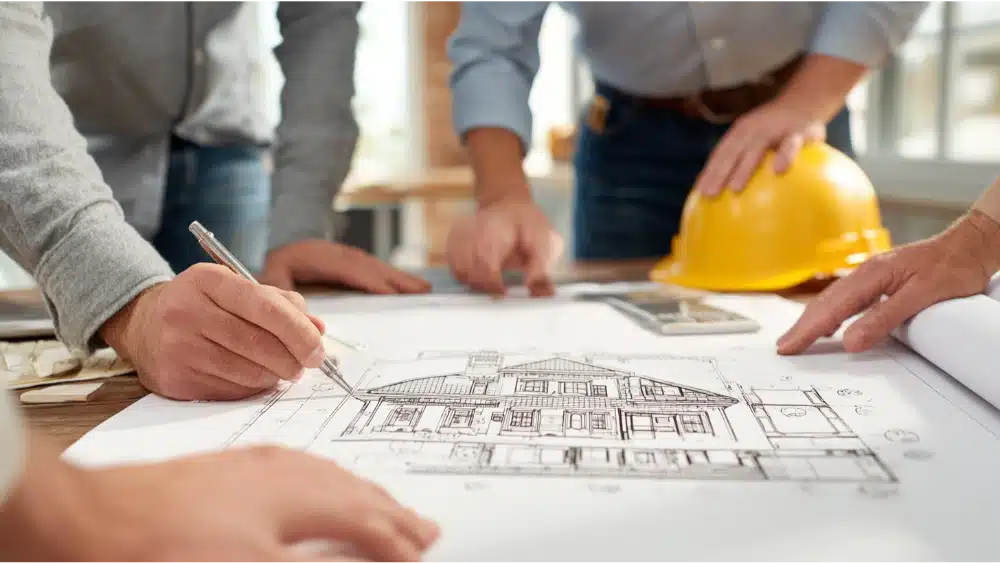
The design build approach integrates planning, architecture, and construction into one coordinated process. At Origami Design Build, this approach ensures that land, design, and construction are fully aligned from the very beginning.
This method improves communication, reduces errors, and creates a more efficient building process. It also allows land to be evaluated through a construction lens, ensuring that every decision supports the long-term success of the custom home.
By unifying design and construction, homeowners gain clarity, cost control, and confidence throughout the entire journey.
Step-by-Step Custom Home Process for Smarter Land Decisions
A successful custom home project begins with clear planning and informed decision-making.
The first step is defining a realistic budget that includes land, construction, permits, and all associated costs. Once the budget is clear, engaging a custom home builder early allows for proper evaluation of land options and land selections.
Multiple properties should be reviewed based on suitability, zoning, access, and overall construction feasibility. This ensures the chosen land supports both the design and financial goals.
After land is secured with confidence, the design and construction process can begin with clarity and reduced risk, moving efficiently toward breaking ground.
Common Mistakes When Buying Land First
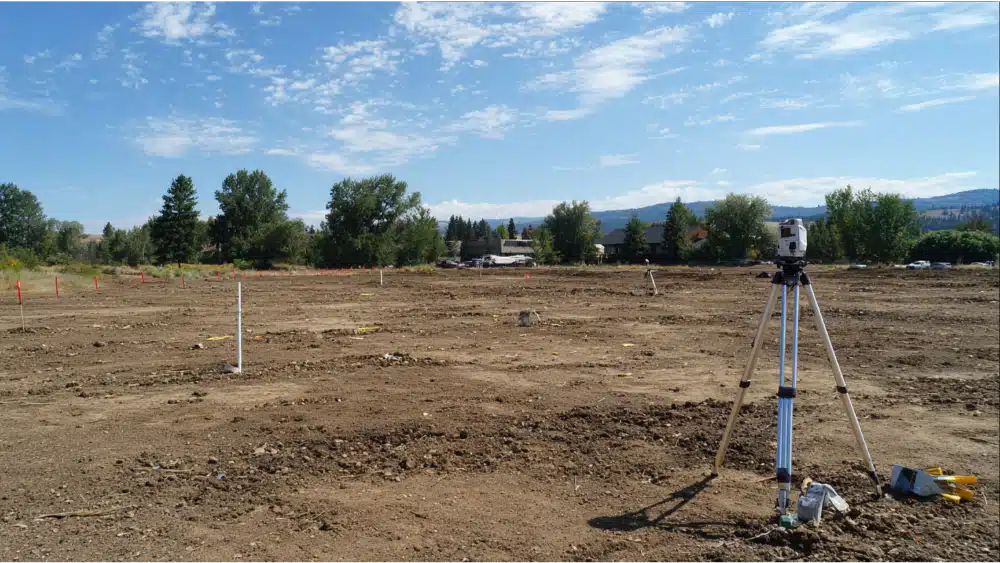
Many homeowners face challenges because they rush into buying land without proper evaluation.
One common mistake is choosing land based on appearance alone without understanding zoning laws or local building codes. Another is underestimating construction costs and land preparation requirements.
Delaying involvement of a custom home builder can also lead to missed opportunities for better design and cost efficiency. These mistakes often result in delays, redesigns, or increased expenses during construction.
How Origami Design Build Supports Smarter Land Decisions
At Origami Design Build, land evaluation is an essential part of the early planning phase. Every property is reviewed for zoning compliance, construction feasibility, and long-term design potential.
Homeowners receive expert guidance from the very beginning, ensuring that decisions are grounded in real construction knowledge rather than speculation.
Each custom home is designed to maximize the strengths of the land, including natural light, views, access, and overall site conditions. This results in homes that feel intentional, efficient, and fully integrated with their surroundings, reflecting quality craftsmanship throughout.
Frequently Asked Questions
Should I buy land before hiring a custom home builder?
In most cases, involving a custom home builder first leads to better outcomes, more accurate budgeting, and fewer unexpected construction costs.
Can a custom home builder help evaluate land?
Yes, a builder can assess zoning laws, land suitability, utility access, and construction feasibility before purchase.
What are the risks of buying land first?
Risks include zoning restrictions, higher construction costs, hidden land preparation needs, and limited design flexibility.
How do I know if land is suitable for a custom home?
A custom home builder evaluates site conditions, zoning requirements, and local building codes to determine suitability.
Does land impact construction costs significantly?
Yes, land conditions directly influence construction costs, especially when grading, utilities, or access improvements are required.
Conclusion
The conclusion deciding whether to buy land before hiring a custom home builder ultimately depends on experience, location, and project goals. However, for most homeowners, involving a custom home builder early creates a clearer, safer, and more cost effective path toward building a custom home.
By evaluating land suitability, zoning laws, construction costs, and site conditions before purchase, homeowners can avoid costly surprises and move forward with confidence.
A well planned start ensures the entire building process is efficient, intentional, and aligned with the vision of a lasting dream home, making the choice depends on your priorities and resources.
The first step toward creating your perfect home is informed decision-making that balances location, design options, and budget — ensuring your new home is everything you envision while controlling how you pay for it and complete the journey from finding land to moving in.