

How Much Does It Cost to Build an ADU Per Square Foot in 2026?
Understanding how much it costs to build an ADU per square foot in 2026 requires more than a simple number. ADU costs vary widely based on design decisions, site conditions, and the level of construction quality. In today’s market, when asking “how much does it cost to build an ADU per square foot,” it’s important to consider labor costs, material costs, permitting fees, and the complexity of integrating a new living space into an existing property.
At Origami Design Build, every ADU project is approached as a long-term investment in both lifestyle and property value. Whether the goal is to generate rental income, create a guest suite, or add flexible living space, understanding cost per square foot is the first step in making informed decisions.
Why ADUs Are in High Demand in 2026
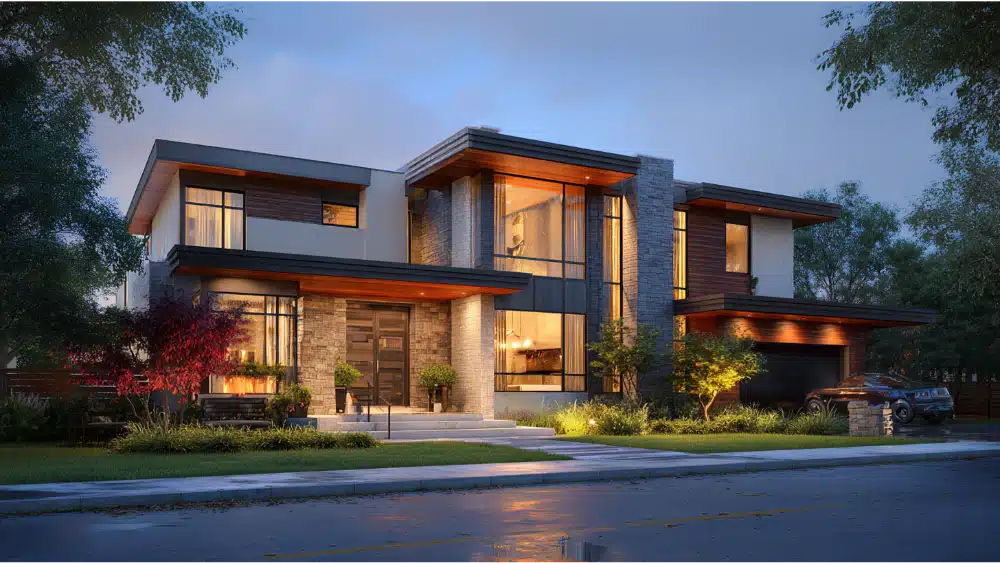
Accessory dwelling units continue to grow in popularity because they offer a practical way to expand living space without moving. Many homeowners choose to build an ADU because it allows them to add functional square footage while also increasing property value and creating potential rental income.
In many regions, including markets like San Diego and San Francisco, zoning updates have made ADUs more accessible, which has increased demand and influenced ADU costs across the country. In Indiana and other Midwest areas, homeowners are seeing more flexible opportunities to build smaller ADUs, detached ADU units, or attached ADU additions depending on their property layout.
A well-designed ADU can serve as a guest house, rental unit, or private living space for family members. This versatility is one of the main reasons many homeowners view ADU construction as a good investment.
Average ADU Costs Per Square Foot in 2026
National ADU Costs Per Square Foot
Across the United States, ADU construction costs typically fall into a wide range depending on finish level and complexity. Entry-level projects usually start around $250 to $400 per square foot. Mid-range custom builds often range from $350 to $550 per square foot. High-end projects can exceed $600 per square foot.
These ADU costs reflect both labor rates and material costs, which continue to influence overall cost. When evaluating cost per square foot, homeowners should understand that it includes structural framing, electrical systems, foundation work, insulation, and interior finishes.
Midwest ADU Costs and Regional Differences
In Indiana and similar Midwest markets, ADU build costs are generally lower than coastal cities. Many homeowners see ranges between $225 and $375 per square foot for standard builds. Custom ADU construction projects may reach $300 to $500 per square foot depending on site conditions and design complexity.
Detached ADU builds tend to cost more than attached ADUs because they require full utility connections, complete site preparation, and independent foundation systems. Attached ADUs can reduce some construction costs by connecting to the main house infrastructure.
What Cost Per Square Foot Includes
Cost per square foot includes multiple layers of construction costs. This includes labor costs, material costs, framing, roofing, insulation, and electrical systems. However, it does not always fully include soft costs such as architectural fees, structural engineering, or permitting fees.
These soft costs and permitting costs can add thousands to tens of thousands depending on the jurisdiction. Utility upgrades and utility connections may also be required, which can further impact total cost.
ADU Types and Their Impact on Cost
Detached ADU Construction Costs
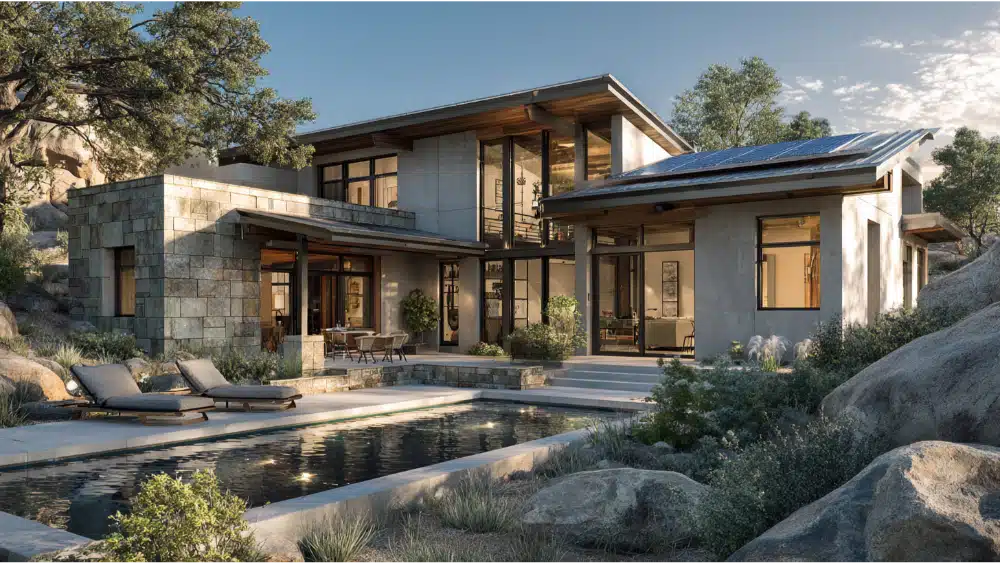
A detached ADU is a standalone structure separate from the main house. Detached ADU projects generally have the highest cost per square foot because they require full construction from the ground up. This includes foundation work, framing, roofing, and utility installation.
Detached ADUs are popular because they provide privacy and flexibility. Many homeowners use them to generate rental income or create long-term guest housing. However, detached ADU construction costs are higher due to site work, excavation, and utility connections.
Attached ADU Costs and Integration
An attached ADU is built as an extension of the main house. This type of ADU can reduce some construction costs because it shares structural elements and utilities with the main home. However, integration into the existing structure can still significantly increase costs depending on complexity.
Attached ADUs require careful design planning, especially when modifying the existing structure or floor plan. Structural engineering is often required to ensure safe integration.
Garage Conversion ADU Costs
A garage conversion is one of the most cost-effective ways to build an ADU. Using an existing garage reduces foundation work and lowers material usage. Many homeowners choose garage conversion projects because they are a practical way to create living space without building a completely new structure.
Garage conversion ADU projects still require insulation upgrades, electrical systems updates, and sometimes plumbing additions. Even though they are more affordable, they still involve important construction costs and code compliance requirements.
Prefab ADU Options
Prefab ADU and prefab ADUs are becoming more common as a way to streamline construction timelines. Prefabricated units can reduce on-site labor and shorten build time. However, they still require site preparation, permitting, and utility connections, which means they are not free from traditional construction costs.
Biggest Cost Factors That Affect ADU Construction
Site Conditions and Site Work
Site conditions are one of the most important cost drivers in any ADU project. Sloped lots, poor soil conditions, or limited access can require retaining walls, grading, or additional site preparation. These factors can significantly increase costs and overall construction complexity.
Utility Connections and Infrastructure
Utility connections such as water, sewer, and electrical systems must be extended to support the new unit. In older homes, utility upgrades may be required, which can add substantial additional costs to the project.
Design Complexity and ADU Design Choices
ADU design plays a major role in determining cost per square foot. Simple layouts are more efficient and cost-effective. More complex designs with custom architecture, larger ADU footprints, or unique structural features require more materials and labor.
Permitting Fees and Soft Costs
Permitting fees and soft costs are often underestimated. These include architectural fees, structural engineering, site plans, and jurisdictional approvals. The permitting process can also impact timelines and indirectly affect total construction costs.
Hidden and Unexpected Costs in ADU Projects
Site Preparation and Retaining Walls
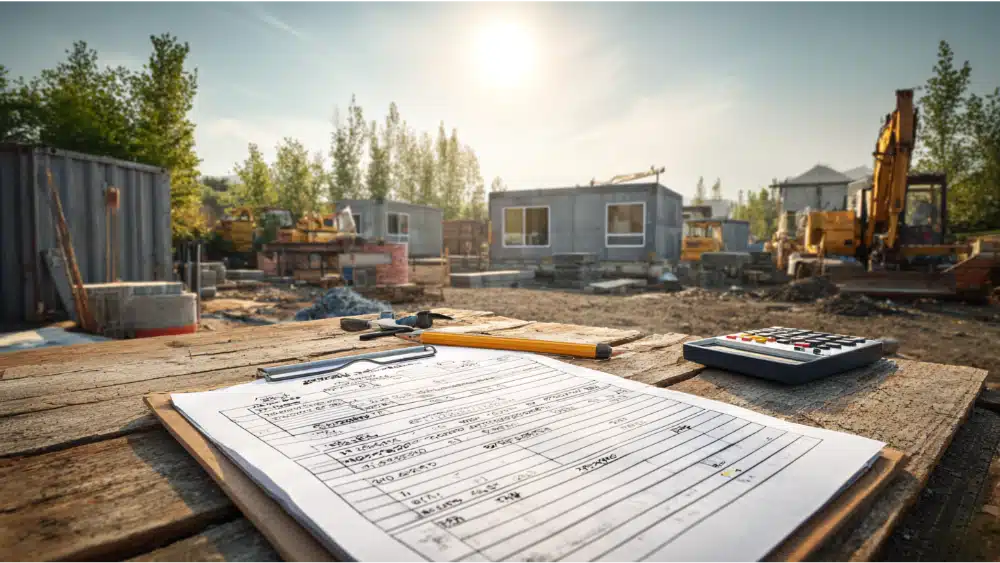
Site preparation is often one of the most overlooked parts of an ADU project. Excavation, grading, and retaining walls may be required depending on site conditions. These elements can add significant costs if not planned early.
Material and Labor Variability
Material costs and labor rates fluctuate over time, which directly affects ADU construction costs. Changes in supply chains or labor availability can shift budgets and increase overall cost during the build process.
Unexpected Costs During Construction
Unexpected costs can arise from code updates, structural adjustments, or unforeseen site issues. While these situations are common in construction projects, they can still impact the final cost if not anticipated during planning.
ADU Budget Scenarios by Size
Small Garage Conversion ADU
A garage conversion ADU is often the most affordable way to build an ADU. Using an existing structure reduces construction costs and allows homeowners to create functional living space at a lower entry point.
Mid-Size Detached ADU
A mid-size detached ADU requires full construction including foundation work, framing, and utility installation. This type of project balances flexibility with higher overall cost due to full site development.
Large Custom ADU
Larger units require more materials, more labor, and more complex design work. Larger ADUs often include expanded kitchens, full bathrooms, and higher-end finishes, which increase both cost per square foot and total cost.
Why Cost Per Square Foot Can Be Misleading
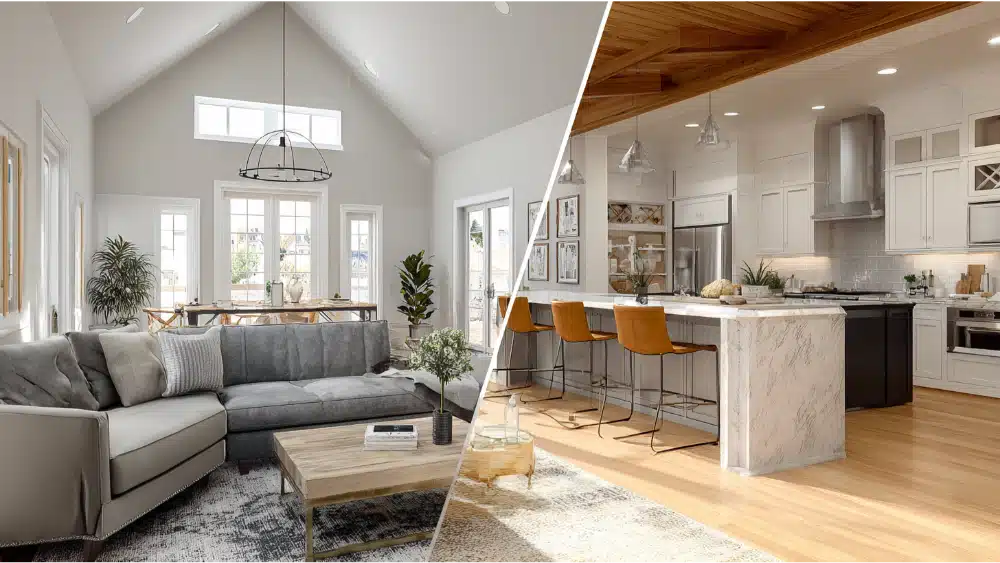
Cost per square foot is a helpful starting point, but it does not represent the full picture of ADU costs. Smaller ADUs often have higher per square foot pricing because fixed costs such as permitting fees, design fees, and utility upgrades are distributed across fewer square feet.
Larger ADUs may appear more efficient on a per square foot basis, but they still have a higher total cost. This is why many homeowners focus on total cost rather than only square foot pricing when planning to build an ADU.
How to Manage and Optimize ADU Costs
Efficient ADU Design
Efficient ADU design helps control construction costs by reducing unnecessary complexity. Simple layouts and smart space planning reduce both material usage and labor requirements.
Strategic Material Selection
Material selection plays a key role in managing budget. A balanced approach using durable mid-range finishes with selective upgrades can help control costs while maintaining quality.
Early Planning and Coordination
Early coordination between design and construction teams helps avoid redesigns and delays. This approach helps reduce unexpected costs and keeps the project aligned with budget expectations from the beginning.
The Origami Design Build Approach to ADUs
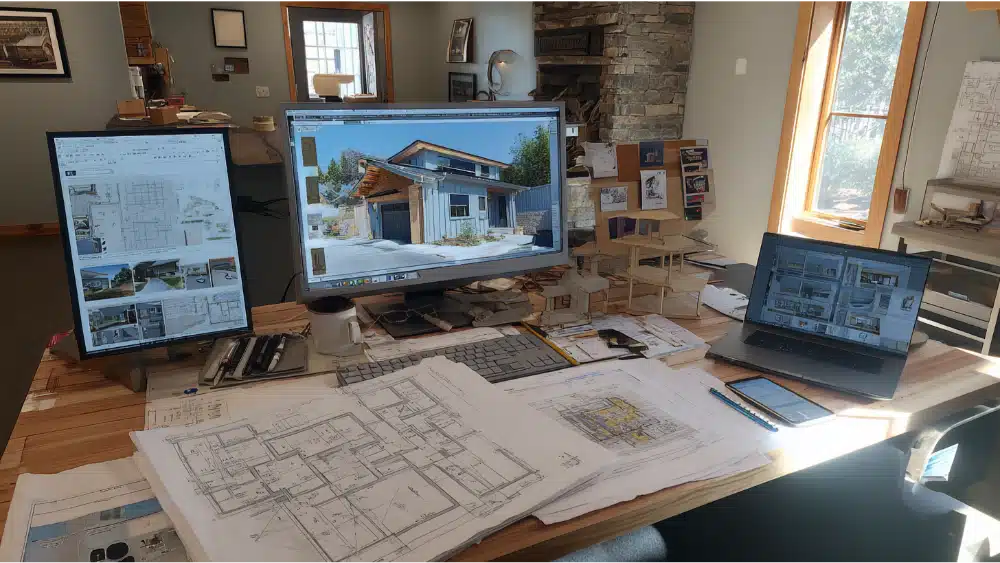
Every ADU project is treated as a fully integrated design and construction process. This approach ensures that design intent, budget, and construction feasibility are aligned from the start.
Whether the goal is to generate rental income, create flexible living space, or increase property value, a well-executed ADU build can significantly improve how a property functions. Many homeowners see strong long-term value from thoughtful ADU construction when it is planned with precision and clarity.
ADU construction is not just about adding square footage. It is about creating meaningful living space that enhances everyday life and supports long-term investment goals.
Start your ADU build with a clear plan that brings together design, budget, and long-term value.
Frequently Asked Questions
How much does it cost to build an ADU per square foot in 2026?
Most ADU costs range from $225 to $600 per square foot depending on design, site conditions, and finish level.
What is the cheapest way to build an ADU?
A garage conversion is typically the most affordable option because it uses an existing structure.
Can an ADU generate rental income?
Yes, many homeowners use an ADU to generate rental income depending on local zoning and rental regulations.
Do ADUs increase property value?
Yes, a well-designed ADU can significantly increase property value and long-term investment potential.
What are the biggest cost drivers in ADU construction?
The biggest cost factors include site conditions, utility connections, permitting fees, and design complexity.
Is building an ADU a good investment?
For many homeowners, an ADU is considered a good investment because it adds livable space and potential rental income while increasing overall property value.
Conclusion
Understanding how much it costs to build an ADU per square foot is essential for effective budgeting and planning. While costs vary widely based on factors like ADU size, type, location, site conditions, and finish level, knowing these variables helps homeowners make informed decisions to save money and avoid surprise costs. Considering impact fees, financing options, and design choices early on can help cut costs and ensure the final price aligns with your budget. Whether you choose a detached, attached, garage conversion, or prefab ADU, careful planning and strategic decisions will maximize your investment and add valuable living space to your property. Building an ADU is not only a way to expand your home but also a smart long-term investment that can increase property value and generate rental income.