

Expert insights from Origami Design Build on 2026 ADU budgeting, new regulatory trends, and why a thoughtful approach in San Ramon, CA sets your project apart.
Understanding ADU Construction Costs in San Ramon: The 2026 Landscape
Why ADU Projects are Surging: Market and Zoning Drivers
Accessory Dwelling Units (ADUs) have never been more relevant in San Ramon, and not just for downsizing or rental income. Skyrocketing housing prices, the city’s proximity to major Bay Area job centers, and continued California legislation favoring infill housing have combined to create both opportunity and urgency. Local ordinances in Contra Costa County—including parking reductions, height exceptions, and streamlined entitlements as of AB 1033—are making ADU approvals more feasible than ever before. If you’re thinking about an ADU in 2026, you’re in good company: demand from multigenerational families, remote workers, and investors continues to outpace new supply.
The Cost Question: More Than a Simple Price Tag
So, how much does it cost to build an ADU in San Ramon? Unfortunately, there are no shortcuts to an honest answer. Pricing isn’t just about square footage—especially here. Sites vary, codes are evolving, and local construction costs are among the highest in California. But with Origami Design Build, every project starts with transparency, tapping deep market data, hard-won local permitting expertise, and practical cost engineering. Here’s what San Ramon homeowners need to know before setting a budget.
Related: Our Process for Custom ADU Design & Build
Featured Answer Block:
As of 2026, building a standard ADU (400–1,000 sq. ft.) in San Ramon usually costs between $290,000–$450,000, all-in, with premium detached builds ranging beyond $500,000. These figures reflect robust Bay Area construction activity, tighter code enforcement, and rising Title 24 energy standards—not just simple construction math.
ADU Types and Their Impact on Budget
Detached ADUs
Detached ADUs remain the gold standard for privacy and rental desirability—and command the highest costs. You’re building a free-standing structure: separate foundations, new utility infrastructure, more complex access requirements, and full Title 24 energy compliance. These are ideal for long-term rental income, guest suites, or aging-in-place plans, but budgets generally start above $350,000, reflecting real construction separation and permitting complexity.
Attached ADUs
Less expensive than detached units, attached ADUs leverage an existing wall, slab, or plumbing infrastructure. You often see them as a ‘bump-out’ or new wing. While you’ll still face permitting and energy code hurdles, attached projects start closer to $270,000–$340,000 in San Ramon. Floor plan design skills matter even more here—creative adjacency is how you unlock livable space without disrupting your main home.
Garage Conversions
Garage conversions put unused footprint to work. While starting costs look attractive—$170,000–$250,000 is typical—the devil is in the details. Slab upgrades for habitability, raising ceilings, fire separations, and full electrical/plumbing rewiring add complexity. A seasoned design-build partner can help you balance project goals with these code-driven realities.
Prefab and Modular ADUs
Prefabricated ADUs—modular, panelized, or turnkey ‘flat-pack’—promise speed and predictability. In practice, off-site fabrication can shave weeks from build times, but site readiness, craning access, and connecting to municipal services keep pricing above $220,000 for quality modules delivered in San Ramon. Watch out for low advertised ‘base prices’ that ignore local fees, foundation work, or utility trenching.
Cost Comparison Table: Breakdown by ADU Type
| ADU Type | 2026 Turnkey Cost Range (San Ramon) | Typical Sq. Ft. |
|---|---|---|
| Detached | $350,000 – $525,000+ | 400–1,200 |
| Attached | $270,000 – $340,000 | 300–800 |
| Garage Conversion | $170,000 – $250,000 | 250–600 |
| Prefab/Modular | $220,000 – $325,000 | 300–800 |
Featured Answer Block:
For ADUs in San Ramon, expect detached builds to require the largest budget, while garage conversions and modular units offer cost savings—but with caveats. Always account for full build-out costs (not just module pricing) when budgeting.
Key Cost Components of Building an ADU in San Ramon

Construction Costs: Materials, Labor, and “Finish Quality”
Material and labor rates in San Ramon trail only the highest Bay Area markets. Key cost drivers include:
- Inflated lumber and engineered wood pricing as of 2025 supply chain reports;
- Prevailing wage demands for projects using state grants (now more common);
- Finish levels (e.g., quartz vs. laminate, tile vs. LVT, custom cabinetry);
- Schedule ‘creep’ from weather, site access, or city inspections;
- Structural upgrades (see seismic code notes below).
At Origami, we tailor material specs and craft a labor schedule that matches your goals—never over- or under-building for the realities of San Ramon neighborhoods. We don’t just build beautiful spaces; we build smart budgets.
Design, Planning, and Architecture Fees
Design and architectural services shape every inch of your ADU’s livability and appeal—but they also form 8%–15% of total project costs. Origami includes 3D renderings, Title 24 calculations, and up-front site analysis, reducing mid-process change orders that derail most projects. With layered planning, our clients see design as a hedge against costly surprises, not an expense.
Site-Specific Conditions: Grading, Access, and Lot Shape
No two San Ramon lots are identical. Sloping yards, mature trees, or unusual shapes can add real dollars to grading, soil reports, and access workaround solutions. We’ve worked on tight flag lots and steep hillside parcels; our construction solutions are rooted in experience, not guesswork.
Permitting, Impact Fees, and the San Ramon Backlog
City of San Ramon permit costs now run $14,000–$23,000+ depending on ADU size and scope—plus utility, schools, parks, and other impact fees. The real wildcard isn’t just the dollar amount: it’s the permitting timeline. Despite streamlined laws, ADU approvals here can stretch 5–7 months, with backlogs common for larger or hillside ADUs.
Hidden Cost Drivers in California ADU Projects
Utility Connections and Service Upgrades
This is where many first-time ADU builders stumble: PG&E electrical upgrades, separate meters, sewer lateral capacity, and water main taps can add $10,000–$40,000 (or more). In older San Ramon neighborhoods, undersized infrastructure often requires trenching or street work, and connection fees have increased annually.
Advanced Title 24 Compliance: Solar Readiness & Electrification Mandates
The 2022–2025 California Energy Code means new ADUs must meet stringent energy standards—solar panels (or readiness), advanced insulation, HRV/ERV requirements, and full electrification. This isn’t “future proofing”—it’s code. We integrate Title 24 from day one, with proactive design, so these upgrades don’t become late-stage budget shocks.
2025 Seismic Retrofitting & New Code Implications
Starting late 2025, expect city-mandated seismic upgrades in certain hillside and liquefaction zones. That means geo-tech reports, deeper footings, upgraded hold-downs, and engineered shear walls as standard—not options. For homeowners, that’s a 5%–12% extra project cost in affected parcels, and a need for seasoned structural engineering.
Extended Permitting Delays and Associated Fees
The City’s permitting queue for ADUs now sees protracted processing times—both pre- and post-planning. Hold-ups in fire, engineering, and Title 24 sign-offs can extend pre-construction holding costs.
Why Budget Contingencies Matter
We recommend a 10%–15% contingency fund on all ADU projects. This isn’t pessimism—it’s proven best practice. At Origami, “contingency” covers both unforeseen field conditions and emerging code requirements, particularly as the state debates further electrification and green building mandates post-2026.
Future-Proofing Your ADU Investment
Planning for Energy and Water Efficiency
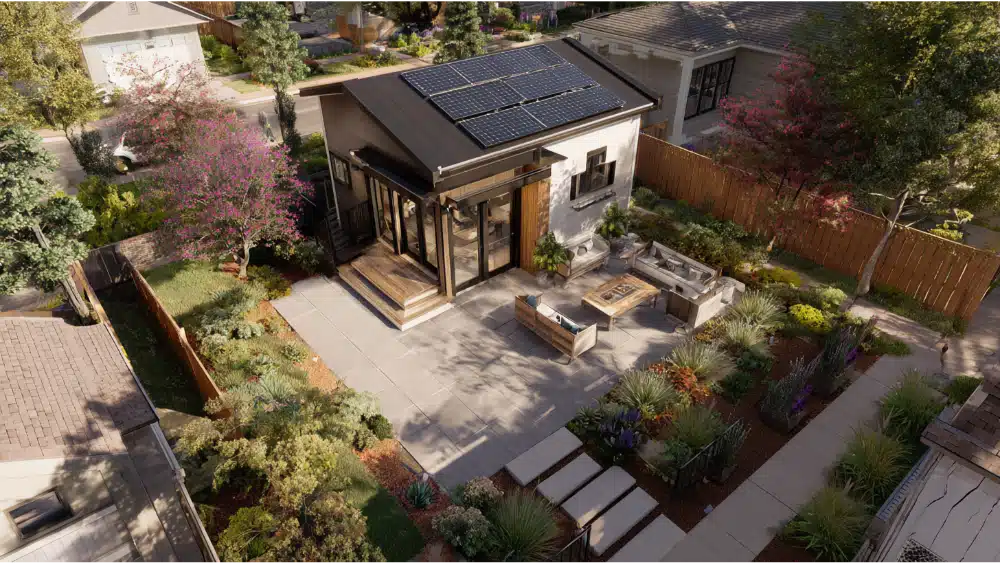
With drought cycles intensifying and utility costs rising, Origami ADUs include high-performance windows, low-flow fixtures, advanced insulation, and heat pump technology as baseline. We can model your energy use with Title 24 simulations and suggest upgrades—from ‘smart’ thermostats to recirculating hot water systems—that optimize rebates and comfort over time.
Integrating Smart Home & Resilience Features
A modern San Ramon ADU isn’t just four walls; it’s ready for rapid tech advancement. Pre-wiring for EV chargers, greywater systems, and solar battery storage add marginal build cost (often <2%) but return dividends in both utility savings and future marketability.
Long-Term Cost Considerations: Maintenance and Upgrades
Premium fixtures, weather-resistant siding, and streamlined rooflines don’t just look good—they cut future maintenance, insurance, and retrofit costs. We advise clients to see ADU budgets as a total cost of ownership proposition—and to design for what’s coming, not just what code requires today.
Financing and ROI: Navigating the New ADU Financing Landscape
Latest Statewide and Local ADU Financing Programs
The 2026 financial ecosystem for ADUs is flexible. CalHFA, new “Green Home” state-backed loans, and select partner banks now offer ADU-specific lines with low down payments—even for rental-focused builds. Local grant programs can reduce permit fees for low-income or accessibility-driven ADUs, but competition is fierce (deadlines often close within days).
Upfront vs. Long-Term Cost Considerations
Monthly payments remain below break-even for most rental ADUs well under a 15-year horizon—especially with San Ramon’s short-term and long-term rental rates consistently outpacing East Bay averages. Factor in tax incentives, depreciation on rental-use ADUs, and sharply increased home equity on resale.
ADUs and Home Value: What San Ramon Homeowners Can Expect
In real project terms, Origami has documented 20–35% ROI for family-use ADUs (aging in place, home offices, etc.) and 40%+ for detached rental ADUs in select neighborhoods since 2023. Appraisers in San Ramon (and major lenders) now recognize compliant ADUs in both comp selection and income qualification for refinancing.
Your Next Steps: Budgeting for an ADU with Origami Design Build
How Our Transparent Process Removes Surprises
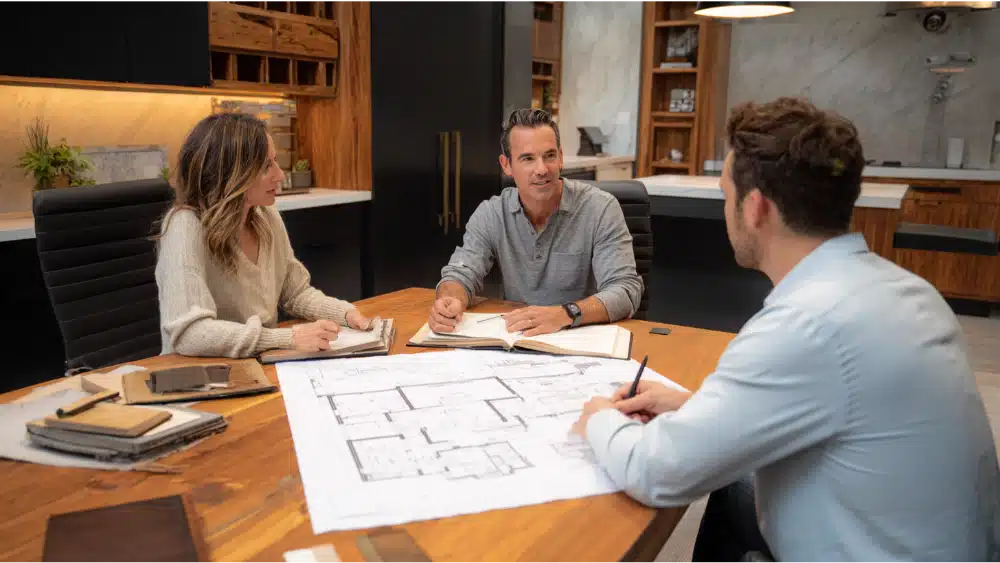
With every San Ramon ADU, Origami Design Build leads the project through:
- Holistic site evaluation: Topography, access, utility mapping, and code risk assessment.
- Detailed proposal: Itemized costs by phase, including full permitting, materials, labor, design, and city-required contingencies.
- Design-first approach: 3D renderings and functional space planning reduce costly redesigns.
- Permitting navigation: Direct relationships with city officials, streamlined submittals, and continuous tracking of city queues.
- Collaborative build process: Weekly check-ins and open-book budget updates keep homeowners informed at every turn.
You deserve no surprises—and we build processes as carefully as we build spaces.
Connecting with Our Expert ADU Team
Curious about what’s possible on your property? Origami’s ADU experts bring not just technical and design expertise, but genuine partnerships. We manage your investment with diligence—from feasibility to finish.
Frequently Asked Questions (FAQs)
What is the average cost to build an ADU in San Ramon in 2026?
Based on our 2025-2026 projects, turnkey ADU costs in San Ramon typically range from $290,000 for a modest conversion to $500,000+ for detached, high-finish builds. Factors include site conditions, finish quality, and new code requirements. For precise forecasting, we always start with a site visit and a detailed, line-item proposal.
How do 2025 seismic codes affect the cost of building an ADU?
Starting in late 2025, many San Ramon parcels—especially on slopes—require engineered seismic retrofits. This means deeper foundations, advanced tie-downs, and additional structural inspections. Homeowners should budget an extra 5–12% for code-driven engineering, plus possible geotechnical testing fees.
Why do utility connections often add unexpected costs to ADU projects?
PG&E electrical upgrades, sewer tie-ins, and water main taps are often overlooked. Many older San Ramon homes require utility upsizing or street trenching. Capacity fees and connecting to public infrastructure can run $10,000–$40,000+, not reflected in base construction or prefab module bids.
What does it cost to permit an ADU in San Ramon, and how long does it really take?
Expect permit and impact fees of $14,000–$23,000+ in San Ramon. Realistically, the planning, submittal, and review process now takes 5–7 months for most ADUs due to high city workload, especially for larger or hillside sites.
Are there new ADU financing programs I can use in 2026?
Yes—2026 offers expanded CalHFA ADU loans, green building incentives, and low-interest local grants for eligible homeowners, especially if you are building for rental or multi-generational family use. These can lower down payments and reduce early cash requirements.
How can building an ADU increase my home’s value?
ADUs in San Ramon consistently deliver 20–35% ROI for primary-use units and up to 40%+ for detached, rentable ADUs. Strong rental demand, favorable comp appraisals, and shifting buyer expectations make compliant ADUs one of the most stable, value-adding investments in the Bay Area real estate market.