

How Much Does It Cost to Build a Custom Home Per Square Foot in 2026?
Understanding how much it costs to build a custom home per square foot in 2026 requires looking beyond a single number and examining the real drivers of construction costs, custom home costs, materials, labor, and design decisions. In today’s building industry, no two custom homes carry the same cost per square foot because construction costs vary significantly based on location, quality levels, and design complexity. At Origami Design Build, we guide clients through these decisions early so budgets reflect real-world conditions, not oversimplified averages. This updated guide explains how construction, materials, and site conditions influence total cost so homeowners can plan with clarity and confidence when considering how much does it cost to build a custom home per square foot.
Understanding Cost Per Square Foot in Custom Homes
Why Cost Per Square Foot Matters in Construction Costs
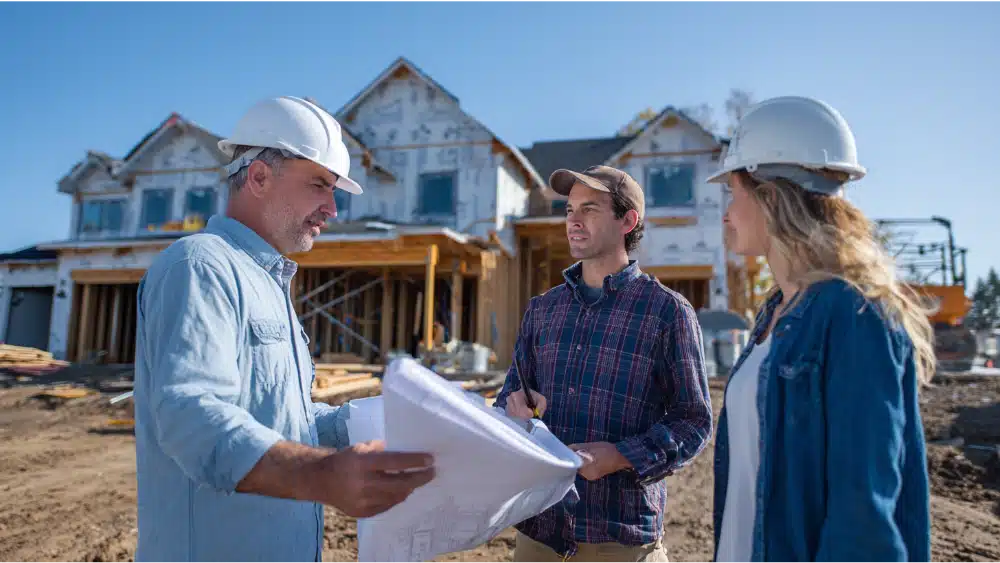
Cost per square foot is a common benchmark used across the building industry to compare custom homes, production homes, and larger homes. It provides a starting point for estimating construction costs but does not define the final cost of a home. Custom home costs vary significantly because every project has unique design complexity, material choices, and site conditions. Even within the same square foot range, quality and features can shift pricing dramatically.
What Is Included in Cost Per Square Foot
Cost per square foot generally includes construction, labor, framing, foundation, roofing, and interior finishes. It also includes materials such as flooring, cabinetry, and fixtures, depending on quality levels. These interior finishes often separate entry-level custom homes from high-end custom homes. Construction materials and labor are key drivers of overall building costs and influence the final square foot pricing.
What Is Not Included in Cost Per Square Foot
Cost per square foot typically excludes land cost, site preparation, utilities, permits, and landscaping. These fixed costs can significantly impact total cost and overall project budget. Site work, long driveways, and utility connections vary significantly based on location and land conditions. Because of this, land cost and site preparation must always be considered separately from construction costs.
Average Custom Home Construction Costs in 2026
National Cost Ranges for Custom Homes
In 2026, custom homes generally fall into three cost tiers:
- Entry-level custom homes typically range from $150 to $250 per square foot.
- Mid-range custom homes generally cost between $250 and $400 per square foot.
- High-end custom homes often exceed $400 to $700 per square foot depending on design and materials.
These construction costs reflect rising labor costs, material pricing, and increased demand across the building industry.
Realistic Planning Range for Homeowners
Most homeowners planning custom homes should expect a cost per square foot range between $300 and $500. This range reflects current construction costs, material pricing, and labor conditions. It also reflects how custom features, interior finishes, and design complexity influence total cost. In many cases, this is the most realistic planning range for full custom homes today.
Why Averages Do Not Tell the Full Story
Average cost per square foot can be misleading because it does not account for design complexity or material selections. For example, production homes built with standard materials may cost far less per square foot than fully custom homes with premium finishes. Publications like Architectural Digest often highlight how architectural design decisions influence both aesthetics and construction costs, reinforcing that averages alone are not reliable for budgeting.
Key Factors That Influence Construction Costs
Design Complexity and Bump Outs
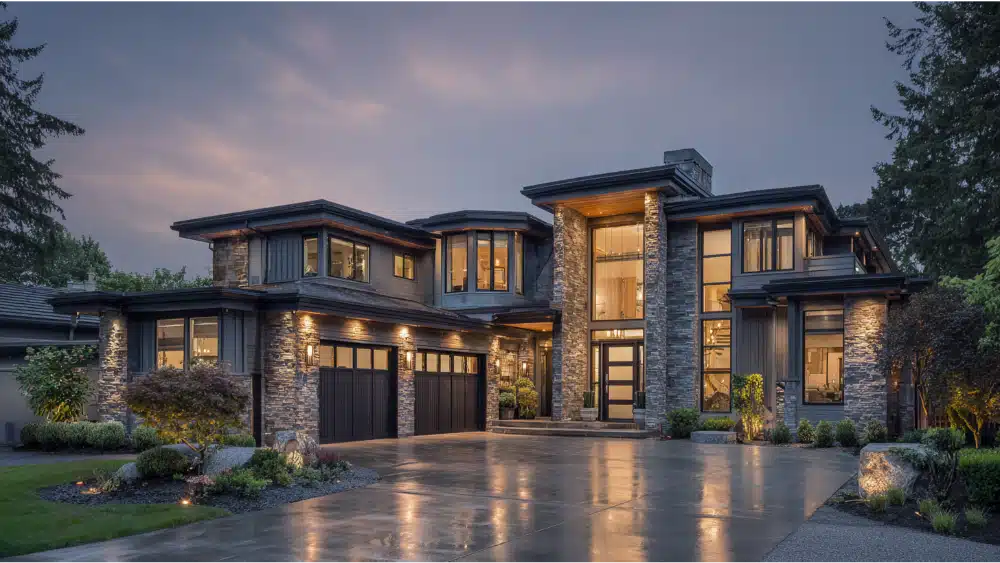
Design complexity is one of the strongest cost drivers in custom homes. Simple layouts are more efficient, while homes with bump outs, complex rooflines, or unique architectural features increase construction costs. More complex designs require additional labor, framing, and materials, which raises cost per square foot and total cost.
Materials, Interior Finishes, and Quality Levels
Materials and interior finishes play a major role in cost variation. Flooring, cabinetry, countertops, and fixtures can significantly change pricing depending on quality levels. High-end materials increase construction costs but improve durability, aesthetics, and long-term resale value. Material choices are one of the most important decisions in custom homes because they directly influence both budget and final outcome.
Labor, Builder Experience, and Construction Efficiency
Labor costs continue to rise across the building industry, affecting overall construction costs. Skilled labor is required for framing, foundation work, and finishing details. Experienced home builders help manage efficiency, reduce waste, and maintain budget control. Working with the wrong builder can lead to delays and higher expenses that impact the total cost of the project.
Site Conditions, Location, and Utilities
Location strongly influences cost per square foot. Land conditions, zoning requirements, and utilities all affect total expense. Site preparation, grading, and excavation are often required before construction begins. Long driveways, sloped land, and difficult access can increase costs significantly. These site-related factors vary significantly based on location and must be evaluated early in the planning process.
Foundation, Framing, and Structural Requirements
Foundation and framing are core components of construction costs. A simple slab foundation costs less than a complex foundation system required for sloped or unstable land. Framing complexity also affects labor and material usage, especially in larger homes or custom homes with unique layouts.
Custom Home Cost Tiers Explained
Entry Level Custom Homes
Entry-level custom homes generally range from $150 to $250 per square foot. These homes use standard materials, simplified layouts, and fewer custom features. They often resemble production homes but allow limited customization.
Mid Range Custom Homes
Mid-range custom homes are the most common segment. These homes generally cost between $250 and $400 per square foot. They balance budget control with upgraded materials, flooring, and interior finishes. This category represents the majority of custom homes built today.
High End Custom Homes
High-end custom homes typically exceed $400 to $700 per square foot. These homes include custom features, premium materials, and advanced architectural design. Construction costs increase due to specialized labor, detailed finishes, and complex engineering.
Luxury Custom Homes
Luxury custom homes often exceed $700 per square foot. These projects include fully custom architecture, high-end materials, and highly detailed craftsmanship. Every element is tailored, which increases both construction complexity and total cost.
Why Cost Per Square Foot Can Be Misleading
Same Square Foot, Different Outcomes
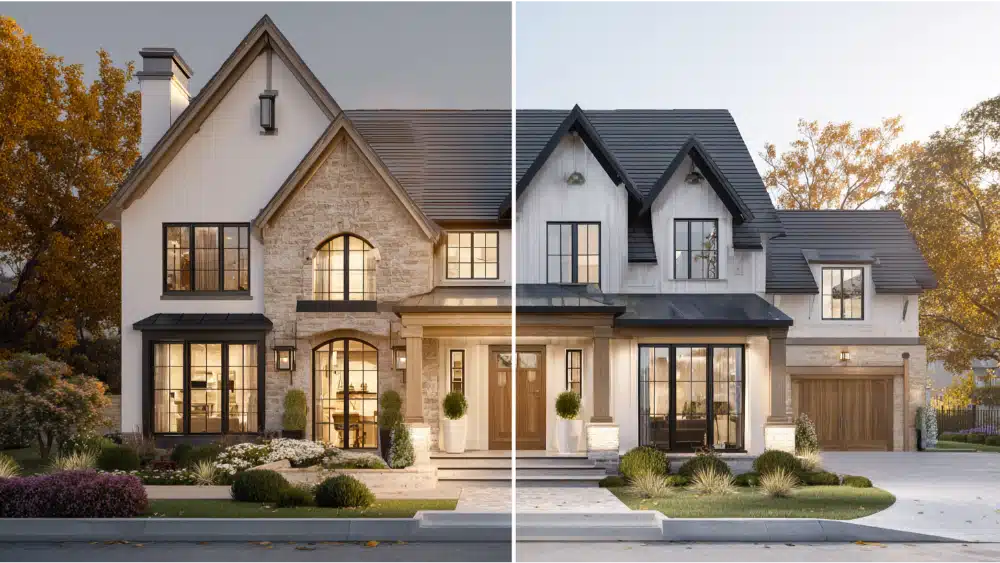
Two custom homes with the same square foot size can have very different costs. One may use efficient layouts and standard materials, while another includes complex design features and high-end materials. This creates significant differences in construction costs and final cost outcomes.
Hidden Construction Costs and Site Work
Hidden expenses such as site work, utilities, and permits often increase total cost beyond initial estimates. These expenses are not always included in cost per square foot calculations. Site preparation, excavation, and utility installation can significantly impact overall project budgets.
Importance of Early Planning and Budget Alignment
Early planning is essential for controlling construction costs. Decisions made during design have a direct impact on total cost. Aligning budget expectations early helps avoid costly changes later in the construction process and ensures smoother project execution.
Design Build Approach and Cost Control
Integrated Builder and Design Process
A design-build approach aligns design and construction from the beginning. Builders and designers collaborate to manage construction costs and ensure the project stays within budget. This approach reduces miscommunication and improves efficiency throughout the process.
Smarter Design Decisions for Cost Efficiency
Design decisions directly influence cost per square foot. Efficient layouts reduce labor and material usage, while complex designs increase both. Home builders help clients balance must-haves with budget constraints to achieve the best outcome for their dream home.
Long Term Value and Resale Value
Custom homes are long-term investments. Quality construction, durable materials, and thoughtful design improve resale value and reduce maintenance expenses. Higher initial cost can often result in better long-term financial performance.
Planning a Custom Home Budget in 2026
Setting a Flexible Budget Range
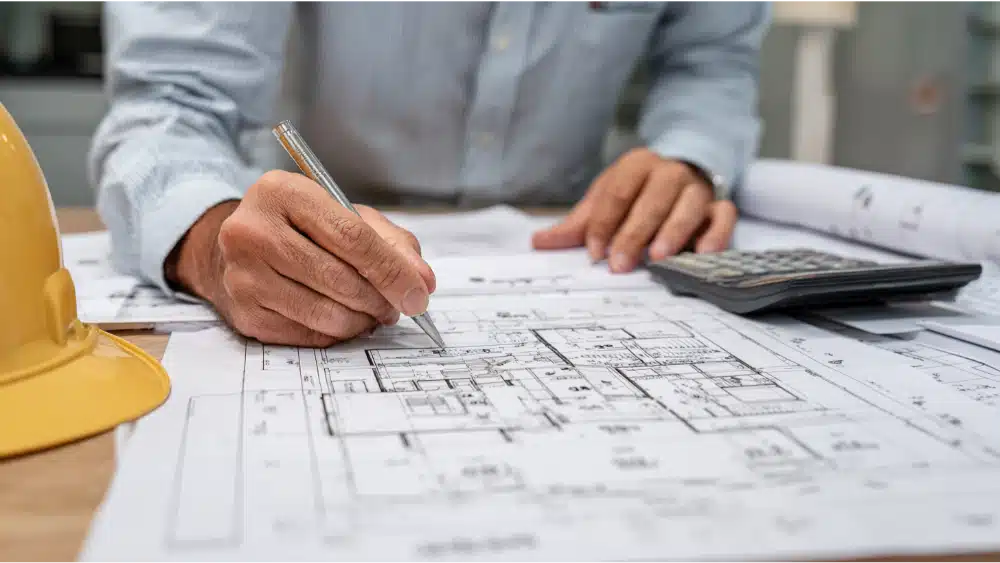
Homeowners should focus on a budget range instead of a fixed number. Construction costs vary significantly based on design, materials, and site conditions. A flexible range allows for better decision making throughout the project.
Lifestyle Needs and Must Haves
Lifestyle needs directly affect home cost. Must-haves such as larger kitchens, additional bedrooms, or outdoor living spaces increase total expense. These decisions should reflect long-term lifestyle goals for the dream home.
Contingency Planning for Unexpected Costs
A contingency is essential in custom home construction. Unexpected changes in materials, site conditions, or design adjustments can increase costs. Planning for these expenses helps protect the overall budget and keeps the project on track.
Common Mistakes in Custom Home Construction
Ignoring Site Conditions and Land Cost
Many homeowners underestimate land cost and site preparation. These factors significantly affect total construction costs and overall project budget.
Relying Only on Square Foot Pricing
Cost per square foot alone does not reflect true home cost. Interior finishes, materials, and design complexity all affect final cost.
Choosing the Wrong Builder
Choosing the wrong builder can increase costs, delay construction, and reduce quality. Experienced home builders are essential for managing labor, materials, and efficiency.
Building Smarter Custom Homes
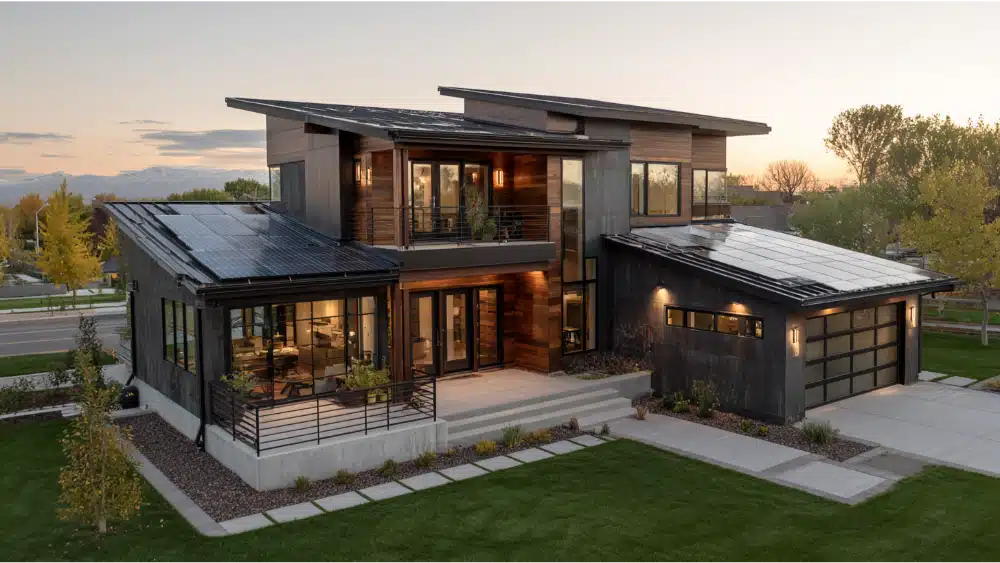
Efficiency Over House Size
Larger homes do not always provide better value. Efficient layouts often deliver better function and lower cost per square foot.
Focus on Quality and Materials
Quality materials improve durability, performance, and long-term value. Material decisions play a major role in overall construction outcomes.
Intentional Design for Better Results
Intentional design ensures that every feature serves a purpose. This reduces waste and improves both efficiency and livability.
Frequently Asked Questions
How much does it cost to build a custom home per square foot in 2026?
In 2026, the average cost to build a custom home in the United States typically ranges from $200 to $550+ per square foot, depending on design complexity, materials, and location.
What are the main factors that influence home building costs?
Several factors influence home building costs including site conditions, design complexity, building materials, labor rates, and regional market variations.
Is it cheaper to build a bigger house or a smaller home?
Generally, bigger houses have a lower cost per square foot because fixed costs are spread over more area, while smaller homes tend to have a higher cost per square foot.
Does the cost per square foot include land and site preparation?
No, cost per square foot usually excludes land cost, site preparation, utilities, permits, and landscaping, which are considered separate expenses.
How can I start planning my custom home budget effectively?
Start planning by assessing your unique needs, selecting a builder early, understanding site conditions, and setting a flexible budget with a contingency fund for unexpected expenses.
Why do custom homes cost more than production homes?
Custom homes typically cost 10-30% more per square foot than production homes due to unique designs, specialized building materials, longer build times, and higher labor costs.
Conclusion
Understanding how much it costs to build a custom home per square foot in 2026 requires looking at more than just a number. Construction costs depend on materials, labor, design complexity, and location. Custom homes vary significantly because each project includes different features, site conditions, and quality levels. By focusing on planning, builder experience, and realistic budgets, homeowners can better control cost per square foot and achieve a successful build. Thoughtful decisions throughout the process ensure the final cost reflects both quality and long-term value while supporting the creation of a truly personalized home.