

How Much Does a Whole Home Remodel Cost?
Understanding How Much Does a Whole Home Remodel Cost
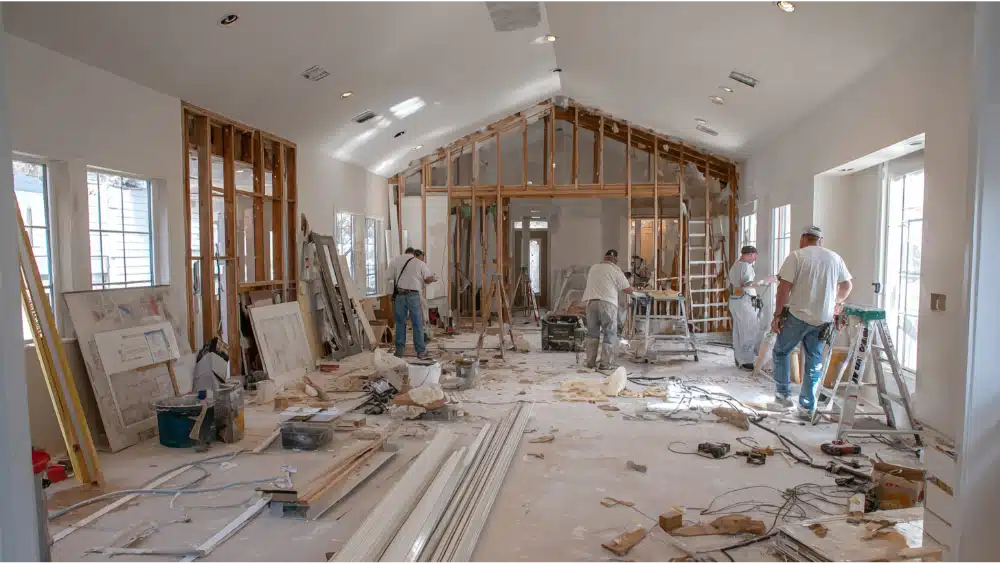
If you are asking how much does a whole home remodel cost, the answer depends on several factors tied to design scope, square footage, materials, and the overall condition of the home. In 2026, renovation costs continue to rise, and most homeowners quickly realize that a home remodel is not a fixed price but a range shaped by complexity, labor, and finish level.
A home renovation is one of the most significant home improvement project decisions a homeowner can make. Whether you are planning a house remodel, a whole house remodel, or a full home renovation, home renovation costs will vary widely based on project scope and design intent.
Most renovation costs reflect current labor conditions, material pricing, and increasing demand for skilled trades. That is why understanding home renovation costs early is essential before committing to a renovation project or trying to estimate total renovation cost.
Average Home Renovation Costs and Whole House Remodel Pricing in 2026
Average Cost per Square Foot for a House Remodel
The average cost for a house remodel in 2026 typically ranges from $100 to $600 per square foot depending on scope and finish level. Mid-range projects often fall between $200 and $350 per square foot, while luxury home renovation projects using premium materials can exceed $600 per square foot.
Square foot pricing is a standard way to estimate home renovation costs, but it does not capture all variables such as structural issues, design complexity, or unexpected conditions that arise during construction.
A whole house renovation is often estimated using square footage, but the true home renovation costs depend heavily on the existing condition of the entire house and the level of customization required.
Average Remodeling Cost by Project Size
Average home renovation costs vary significantly based on square footage and overall project scope. A smaller home remodel will naturally cost less than a larger house renovation, but complexity can increase pricing even in compact spaces.
The average remodeling cost rises sharply when a renovation project includes structural reconfiguration, kitchen remodel work, or full system upgrades.
Why Renovation Costs Vary So Much
Renovation costs vary due to several factors including local labor rates, material availability, and design complexity. A gut renovation will always cost more than a cosmetic remodel because it involves deeper structural and system-level changes.
What Is Included in a Whole House Remodel or Home Renovation Project

Core Home Renovation Work
A home renovation typically includes a combination of kitchen remodel, bathroom remodel, flooring upgrades, and layout improvements. A kitchen remodel is often the largest driver of home renovation costs, especially when upgrading cabinetry, appliances, and stone countertops.
Bathroom remodel work plays a major role in overall renovation costs. Bathroom renovation projects often include tile installation, walk-in shower upgrades, and fixture replacements. Bathroom remodels tend to increase home renovation costs depending on layout changes and material selection.
Structural and System Upgrades in a House Remodel
A full home renovation may include electrical work, plumbing upgrades, and HVAC improvements. These upgrades are essential in older homes and significantly affect renovation costs.
Exterior improvements such as roof replacement, new siding, and new windows are often included in an exterior remodel. These upgrades improve energy efficiency and long-term property value.
Interior Remodeling and Living Spaces
A home remodel often includes bedroom renovation, bedroom remodel updates, and general living space improvements. Some homeowners add an extra bedroom or convert unused areas into a walk-in closet for improved functionality.
A basement remodel or garage remodel can also be part of a whole house remodel depending on the renovation project scope.
Key Factors That Influence Home Renovation Costs
Square Footage and Project Scope
Square footage is one of the most important drivers of renovation costs. Larger homes require more materials and labor, which increases home renovation costs across the board.
Project scope also plays a critical role. A cosmetic remodel is far less expensive than a gut renovation or full structural redesign that changes the layout of the entire house.
Materials, Custom Features, and Finish Level
Material selection directly impacts renovation costs. High-end materials and premium materials increase budgets, especially in kitchens and bathrooms.
Custom cabinetry and custom cabinets are often key cost drivers in a kitchen remodel. Stone countertops, new cabinets, and energy-efficient appliances also contribute to higher home renovation costs but improve long-term property value.
Labor and Local Conditions
Labor costs vary by region and trade availability. Electrical work, tile installation, and carpentry influence total renovation cost and fluctuate based on local labor rates.
Permits, Fees, and Compliance Requirements
Permit fees and permit costs are required for most renovation projects. These permit fees vary depending on jurisdiction, structural changes, and overall project scope.
Hidden Costs in a Home Remodel or Renovation Project
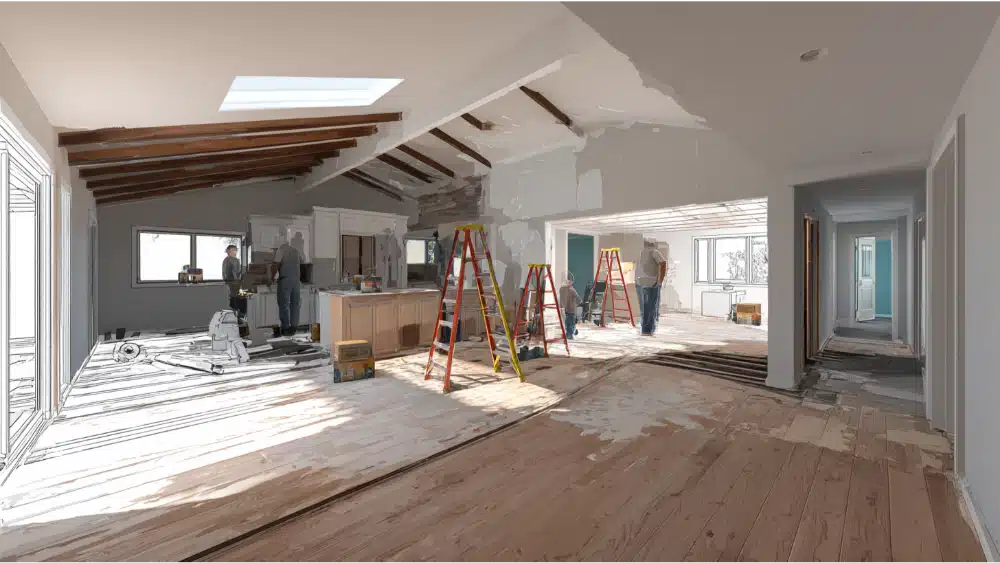
Hidden costs are one of the most overlooked parts of a home renovation. Many homeowners focus on visible upgrades but underestimate unexpected costs that appear once demolition begins.
Unexpected costs often include structural repairs, outdated wiring, or plumbing issues discovered during a gut renovation or full home renovation. These issues can cost significantly more when working with older homes or larger square footage properties.
Proper planning helps reduce hidden risks and keeps the renovation project financially stable.
Mid Range Projects vs Luxury Whole House Renovation
Mid-range projects focus on functional improvements such as kitchen remodel upgrades, bathroom renovation improvements, and flooring replacement. Minor kitchen remodels fall into this category and are generally more cost efficient.
Luxury home remodel projects involve high-end materials, custom cabinetry, and full architectural redesign. These projects often include premium appliances, custom features, and significant layout changes across the whole house.
A luxury whole house renovation transforms the entire house into a fully customized living environment with elevated finishes and improved flow across all square footage.
ROI and Property Value Impact of a Home Remodel
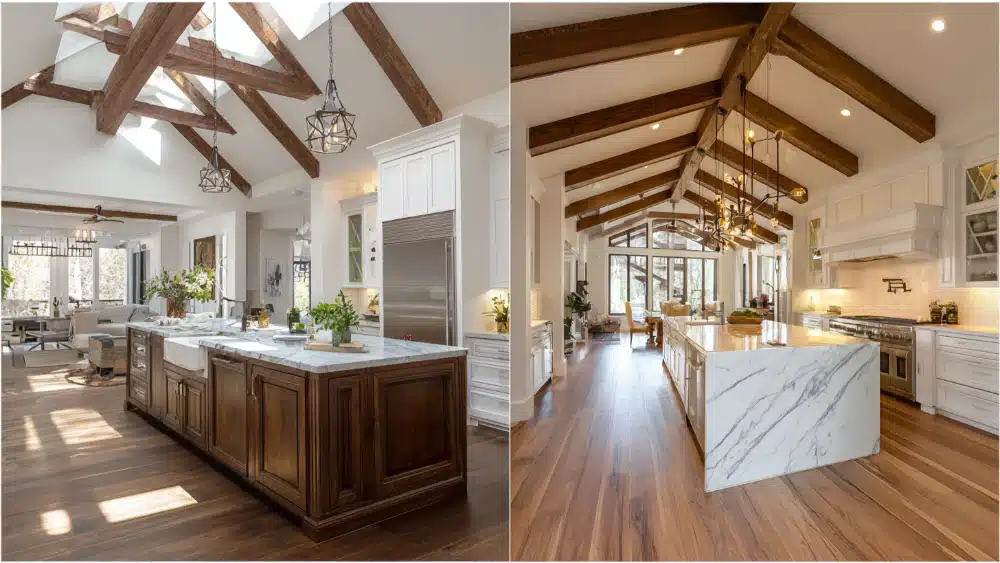
A well-executed home remodel can significantly increase property value. Buyers often prioritize updated kitchens, bathroom remodel upgrades, and modern layouts when evaluating homes.
Home renovation costs should always be viewed alongside long-term property value. A kitchen renovation or bathroom remodel often delivers strong return on investment, especially in competitive markets.
Exterior remodel improvements such as new siding, roof replacement, and new windows also improve resale value and energy efficiency, making the renovation project more financially strategic.
Financing a Whole Home Remodel in 2026
Home Equity and Home Equity Loans
Many homeowners use home equity or home equity loans to fund large scale renovation costs. These options allow access to accumulated property value to finance a major home renovation.
Personal Loans and Cash Out Refinance
Personal loans are often used for smaller renovation projects or mid-range projects. A cash out refinance allows homeowners to leverage current home equity for larger renovation costs tied to a full home renovation.
Minimum Loan Amount Considerations
Some lenders require a minimum loan amount depending on the renovation project size. This minimum loan requirement varies based on lender policies and overall budget.
Timeline for a Whole House Renovation or Home Remodel
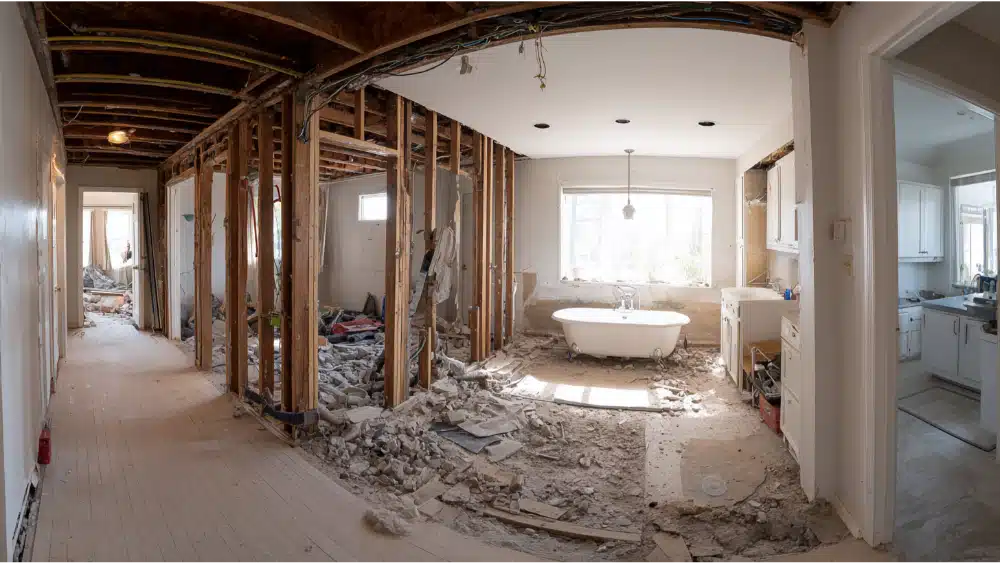
A home renovation project typically moves through planning, permitting, and construction phases.
Planning and design can take several months depending on complexity. Permitting can also extend timelines due to local approval processes and permit fees. Construction duration depends heavily on square footage, scope, and material availability.
Large whole house remodel projects or gut renovation work may take several months or even longer than a year depending on complexity and structural conditions.
Common Renovation Types and Project Scope Examples
A kitchen remodel is often the centerpiece of a house remodel. A mid-range kitchen remodel typically includes updated cabinetry, appliances, and layout improvements designed to optimize function.
Bathroom renovation projects often include tile installation, walk-in shower upgrades, and modern fixtures that improve comfort and efficiency. Bedroom renovation and bedroom remodel projects focus on comfort upgrades and storage solutions such as walk-in closet additions.
Exterior remodel work such as roof replacement, new siding, and new windows improves both curb appeal and energy performance.
Garage remodel and basement remodel projects expand usable square footage and increase functionality within the home.
Hardwood floors are also a popular upgrade in many renovation projects, often replacing outdated materials and improving overall design continuity throughout the house.
Budget Planning for a Whole Home Remodel

Planning for home renovation costs requires understanding total renovation cost and allocating budget across labor, materials, design, and contingency.
A successful renovation project accounts for potential hidden costs and unexpected costs that may arise during construction. Setting realistic expectations around square footage pricing helps homeowners prepare for the true cost to renovate a home.
Saving money often comes from prioritizing essential upgrades, phasing optional improvements, and making informed material choices early in the design process.
Frequently Asked Questions About Whole Home Remodel Costs
How much does a whole home remodel typically cost?
The average cost to remodel an entire home generally ranges from $40,000 to $200,000, depending on factors like home size, project scope, materials, and labor rates. Mid-range projects for a 2,000-square-foot house often fall between $100,000 and $200,000.
What is the average kitchen remodel cost?
Kitchen remodel costs vary widely but typically range from $15,000 for minor updates to $60,000 or more for complete renovations. Mid-range kitchen remodels average around $30,000, including cabinetry, appliances, and new flooring.
How much should I budget for a bathroom remodel?
Bathroom remodels usually cost between $8,000 and $20,000, with high-end projects exceeding $30,000. Costs depend on fixture upgrades, tile work, and whether layout changes or plumbing reroutes are involved.
What hidden costs should I expect during a home renovation?
Hidden costs can include unexpected structural repairs, electrical or plumbing upgrades to meet code, permit fees ranging from $500 to $2,500, and potential delays. It’s wise to budget an additional 10% to 20% contingency for these surprises.
How long does a whole home remodel take?
A full home remodel typically takes 6 to 12 months, depending on the size of the home, project complexity, and permitting timelines. Larger or luxury projects with significant layout changes may extend beyond a year.
What financing options are available for home renovations?
Homeowners often finance remodels through home equity loans or lines of credit (HELOC), personal loans, cash-out refinancing, or paying out-of-pocket. Each option has different interest rates, repayment terms, and eligibility requirements.
Conclusion — Understanding True Home Renovation Costs
A whole home remodel is one of the most impactful investments a homeowner can make. Whether planning a house renovation, a full home renovation, or a complete whole house remodel, understanding renovation costs is essential for success.
From square foot pricing to labor conditions, materials, and design decisions, many factors influence final home renovation costs. The key is aligning project scope with budget expectations and long-term property value goals.
With thoughtful planning and a clear design vision, a home remodel can transform the entire house into a more functional, efficient, and valuable space while keeping renovation costs under control and reducing unexpected costs throughout the process.