

How Long Does It Take to Build a Custom House from Start to Finish?
Understanding How Long It Takes to Build a Custom House from Start to Finish
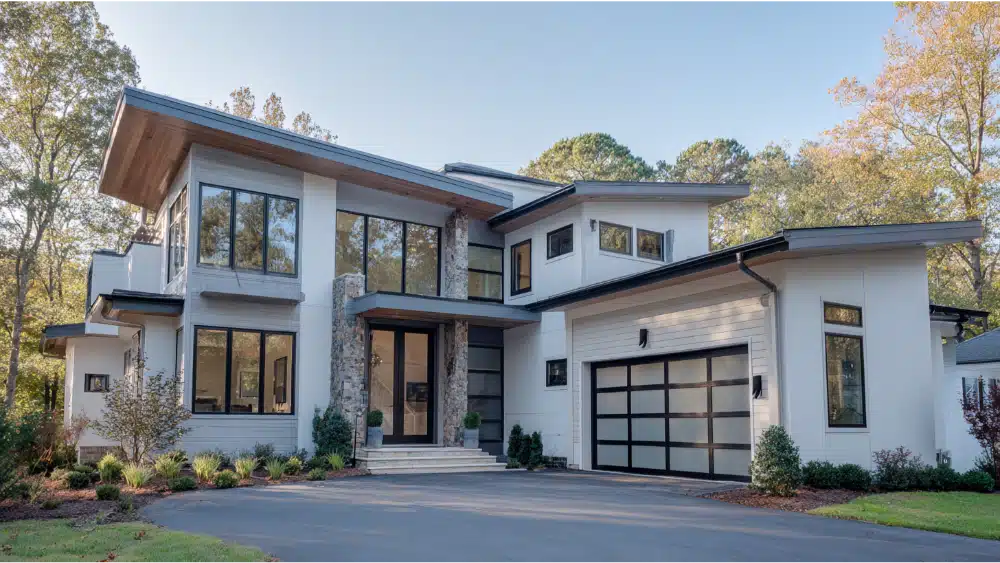
When planning a custom home, the most common question is: how long does it take to build a custom house from start to finish? In 2026, the answer depends on multiple phases of the custom home building process, including design, pre-construction phase work, permitting, and full construction. A typical custom home takes 9 to 18 months, but every custom home project can vary depending on design complexity, site conditions, and decision-making during the building process.
To build a custom home successfully, homeowners need a clear understanding of how the construction process unfolds from initial planning through move-in. Unlike production homes, a custom-built home requires coordination between architects, engineers, and a home builder to ensure every detail aligns with the original vision. A successful project depends on realistic expectations, timely communication, and careful planning from the very beginning.
Understanding the Custom Home Timeline in 2026
A custom home is not just a construction effort; it is a full journey that includes design phase development, pre-construction phase planning, permitting process approvals, and construction execution. The overall construction timeline varies based on several factors influencing schedule performance such as labor availability, supply chain issues, weather conditions, and design complexity.
When homeowners decide to build a custom home, they often underestimate how much time is spent before construction begins. The pre-construction phase alone can take several months before breaking ground occurs. Local regulations and local authorities also play a major role in obtaining permits, which can significantly impact when construction begins.
A good builder helps manage the custom homebuilding process so the project stays aligned with expectations and avoids unnecessary delays.
The Average Time to Build a Custom Home Today
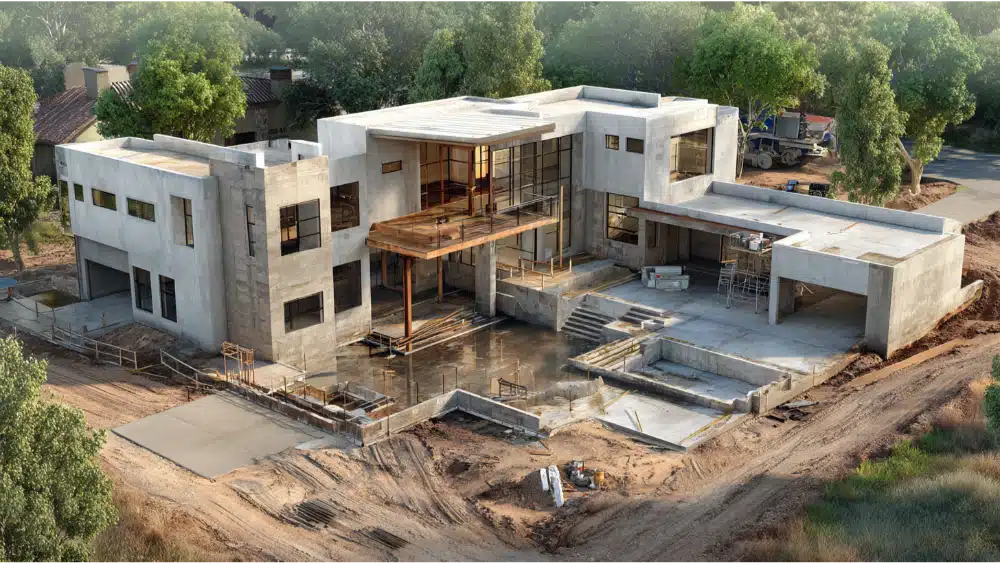
Most homeowners who build a custom home can expect a realistic timeline of 9 to 18 months from design through move-in. This includes both pre-construction and construction phase work.
Typical Custom Home Construction Timeline
Most custom home construction projects fall within a 9 to 18 month construction timeline. This includes design phase work, permitting, site preparation, and full construction process execution. A home builder coordinates trades, inspections, and materials throughout the custom home construction journey.
Fast Track Custom Home Projects
Some homeowners are able to build a custom home in 7 to 10 months when decisions are finalized early and the floor plan is simple. These fast projects depend heavily on timely communication, experienced builder oversight, and limited design changes during construction.
Complex Custom Home Projects
Highly customized homes can take 18 to 30 months or longer. These custom home projects often include advanced structural integrity requirements, unique exterior finishes, and premium interior finishes selected with an interior designer. Unlike production homes, everything is built specifically for the homeowner, which extends the construction process.
Phase 1 | Pre-Construction Phase (Design, Planning, and Permits)
The pre-construction phase is one of the most important stages when you build a custom home. This phase defines the home’s layout, budget, and overall design direction before construction begins.
Site Selection, Site Conditions, and Site Work Begins
Before construction starts, site conditions must be evaluated. Site work begins only after the building site is confirmed as suitable for development. Soil conditions, access, and utilities all impact how the custom home construction process will proceed.
Proper site preparation ensures the foundation and structural integrity of the home once construction begins.
Design Phase and Floor Plan Development
During the design phase, homeowners collaborate with a home builder and interior designer to develop house plans and refine the floor plan. This step defines the dream home and ensures the home’s layout matches both vision and budget.
Decisions made during this phase directly influence how efficiently the custom home construction project moves forward.
Obtaining Permits and Pre-Construction Planning
Obtaining permits is a major part of the permitting process. Local regulations and approvals from local authorities can significantly affect timelines. The pre-construction phase often includes multiple revisions before approval is granted.
Careful coordination during pre-construction ensures the construction project is ready to proceed without unnecessary delays.
Phase 2 | Construction Phase Begins (Site Work and Foundation)
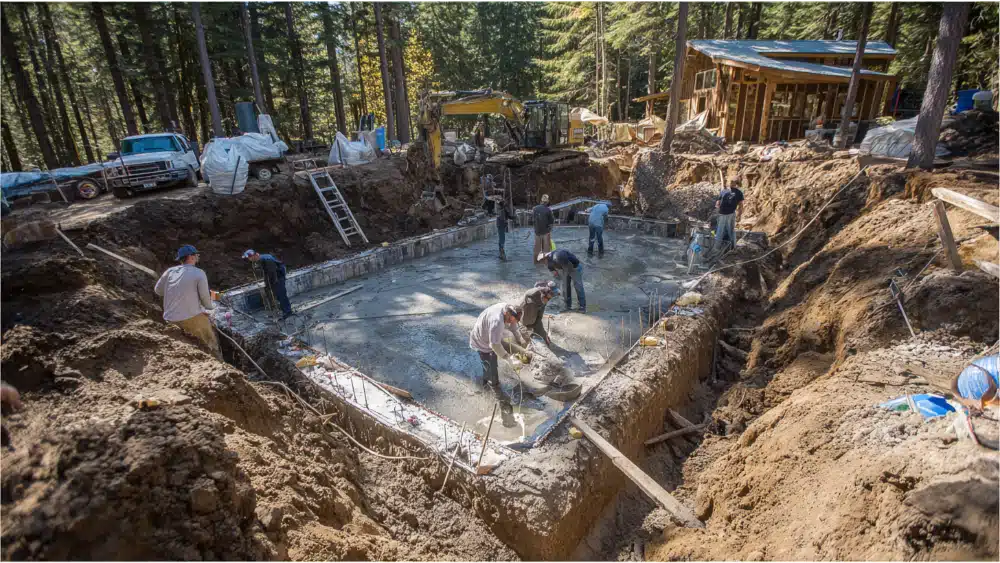
Once permits are approved, construction begins and site work officially starts. This is the moment when the custom home starts becoming reality and breaking ground takes place.
Site Preparation and Breaking Ground
Site preparation includes clearing, grading, and preparing the construction site for foundation work. Breaking ground marks the official start of construction. At this stage, construction site activity increases as crews begin excavation and utility installation.
Foundation and Structural Framework
The foundation is poured to establish structural integrity. After this, the structural framework is built, forming the skeleton of the home. This phase defines the home’s layout and scale and is a key milestone in the custom home construction process.
Weather Conditions and Labor Availability
Weather conditions such as extreme heat or adverse weather can slow progress during early construction. Labor availability can also impact scheduling. A good builder adjusts sequencing to keep the construction process moving efficiently.
Phase 3 | Rough Construction and Essential Systems
This phase of custom home construction focuses on building systems and enclosing the structure.
Essential Systems and Interior Walls
Essential systems including electrical, plumbing, and HVAC are installed within interior walls. These systems are critical for energy efficiency and long term performance. Coordination during this phase ensures the construction process remains efficient and safe.
House Wrap and Exterior Work
House wrap is installed to protect the structure from moisture and weather conditions. Exterior work begins to enclose the home and prepare it for interior finishes. Exterior details are also started during this phase of construction.
Interior Walls and Home’s Layout
Interior walls are framed, defining the home’s layout and room structure. At this stage, the dream home begins to feel more complete as the focus shifts from structure to livability.
Phase 4 | Interior Finishes and Exterior Completion
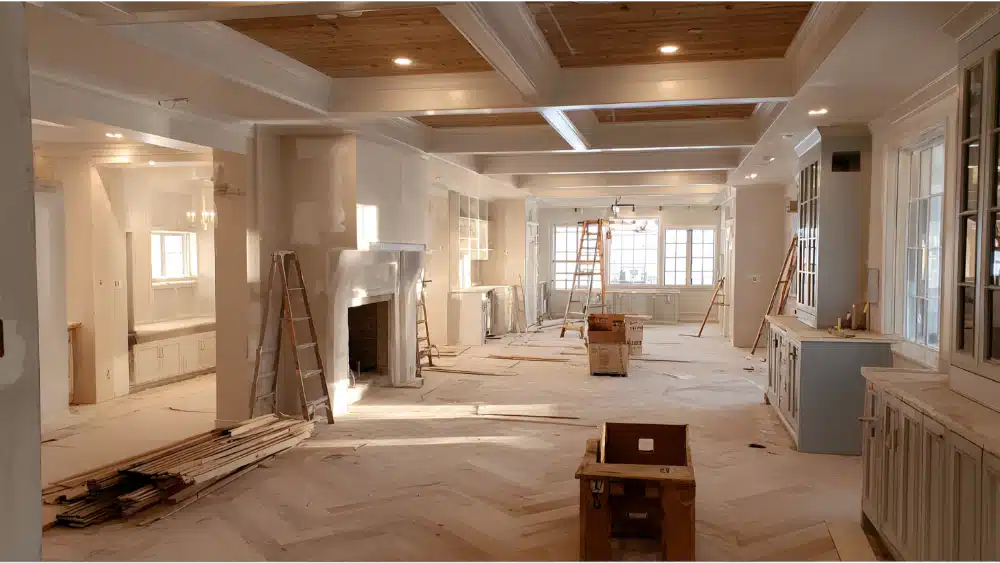
As construction progresses, the focus shifts to finishes and design details that bring the home to life.
Interior Finishes, Light Fixtures, and Design Detail
Interior finishes such as flooring, cabinetry, paint, and light fixtures are installed. An interior designer often helps ensure consistency across selections. These finishes are essential in transforming the structure into a finished home.
Exterior Finishes and Exterior Work
Exterior finishes complete the home’s curb appeal and protect the structure. Roofing details, siding, and architectural exterior details are finalized during this stage of construction.
Focus Shifts Toward Completion
As the construction process nears completion, focus shifts toward finishing details and quality control. Timely communication ensures the project stays aligned with expectations.
Phase 5 | Final Inspections and Move-In
Final inspections ensure the home meets all local building codes and safety requirements before occupancy.
Final Inspections and Final Walkthrough
Final inspections are completed by local authorities and the home builder. A final walkthrough is conducted with the homeowner to ensure everything matches expectations. Any final adjustments are completed before move-in.
Completing the Construction Process
Once inspections are approved, the construction process is officially complete. Systems are tested, final cleaning is done, and the home is prepared for occupancy. This stage confirms the custom home is ready for move-in.
Move-In and Final Transition
Move-in marks the completion of the custom home journey. The homeowner transitions from the construction phase into living in their dream home. At this point, the finished home is fully ready for occupancy.
Factors That Influence a Custom Home Project Timeline
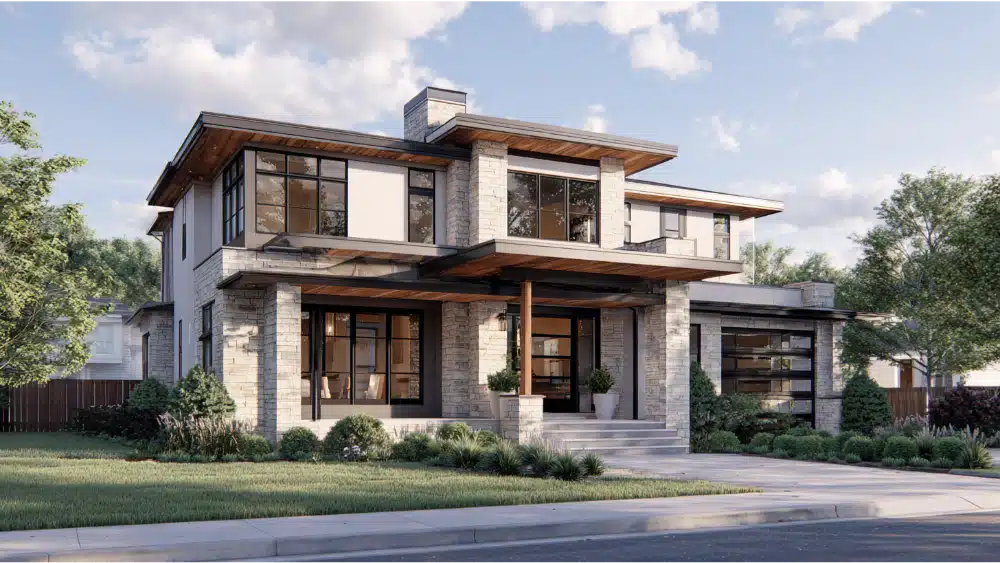
Several factors influencing the construction timeline include weather conditions, labor availability, supply chain issues, design complexity, and local regulations. Each custom home project is unique and varies depending on these elements.
A successful custom home project depends on careful planning, experienced builder guidance, and consistent communication throughout the construction process.
Realistic Expectations for Building a Custom Home
When you build a custom home, it is important to maintain realistic expectations. A custom home typically takes 9 to 18 months, but timelines vary depending on multiple factors. Pre-construction, permitting, and construction phases all contribute to the overall project timeline.
Unlike production homes, a custom-built home requires flexibility and collaboration at every stage. Careful planning ensures the dream home becomes reality without unnecessary delays.
Frequently Asked Questions About Custom Home Construction Timelines
How long does the pre-construction phase typically take?
The pre-construction phase, which includes finalizing the original plan, obtaining permits, and planning, generally takes 3 to 6 months. This phase is crucial to ensure the project is well-organized before breaking ground.
What are the main factors that can affect the timeline of building a custom home?
Various factors influence the construction timeline, including weather conditions, labor and material availability, design complexity, and permitting processes. Being aware of these helps set realistic expectations.
Can changes to the original plan during construction delay the project?
Yes, making changes after construction begins is a common cause of delays. It’s best to finalize decisions during the pre-construction phase to avoid schedule drift.
How often should homeowners communicate with their builder during construction?
Regular communication is essential. Scheduling site visits and progress updates helps homeowners stay informed and address any issues promptly, keeping the project on track.
What is the average time for the interior finishes phase?
Interior and exterior finishes typically take 4 to 6 months, depending on the level of customization and material lead times.
How do final inspections impact the completion timeline?
Final inspections and walkthroughs can take 1 to 2 months to complete. Obtaining the Certificate of Occupancy depends on passing these inspections, which are critical before move-in.
Final Thoughts on Custom Home Construction Timelines
Understanding how long it takes to build a custom house from start to finish helps homeowners plan with clarity and confidence. Most custom homes take between 9 and 18 months, depending on design complexity, permitting, and construction conditions.
When you build a custom home with the right team, the construction process becomes more predictable and efficient. From pre-construction phase planning to final walkthrough, every step contributes to a successful project and a home designed for long-term living.