

Building a custom home is one of the most meaningful investments you can make. It is a chance to shape your environment around how you live, what you value, and how you want your space to function for years to come. At the same time, many homeowners ask the same question before they begin: how long does it take to build a custom home? The answer lies in understanding the full custom home construction timeline. Rather than a single number, the entire process follows a structured process made up of clearly defined phases. When guided by an experienced builder, each step flows into the next with clarity and purpose. At Origami Design Build, we help clients navigate the custom home journey with confidence. We focus on planning ahead, setting realistic expectations, and delivering a streamlined experience from concept through completion.
How Long Does It Take to Build a Custom Home?
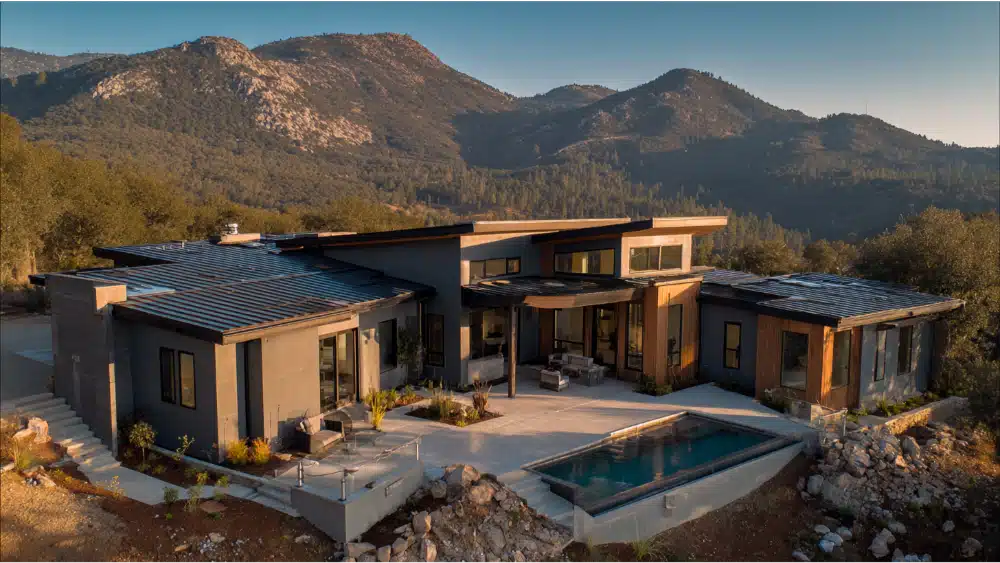
A typical custom home construction timeline ranges from 12 to 18 months from initial planning through move-in. The construction timeline itself often spans 6 to 12 months, depending on complexity, size, and site conditions. The full home construction timeline includes design, pre-construction, permitting, and the construction phase.
It is important to distinguish this from production homes. Unlike production homes, which follow pre-set designs and faster approvals, a custom home is tailored to your needs. That level of detail adds time, but it also ensures your dream home is built with intention and precision. For homeowners asking how long does it take, the better question is how each phase contributes to the entire process. A well-managed project timeline makes all the difference.
Overview of the Custom Home Building Timeline
The custom home building process is broken into five key stages. Each stage plays a critical role in delivering a successful project:
- Planning and Discovery
- Design and Architecture
- Pre-Construction Phase and Permitting
- Construction Phase
- Final Walkthrough and Move-In
This home building timeline reflects a thoughtful building process where decisions are made early to minimize delays later. With the right custom home builder, each phase is coordinated to maintain momentum and protect construction time.
Phase 1 | Planning and Discovery (1–3 Months)
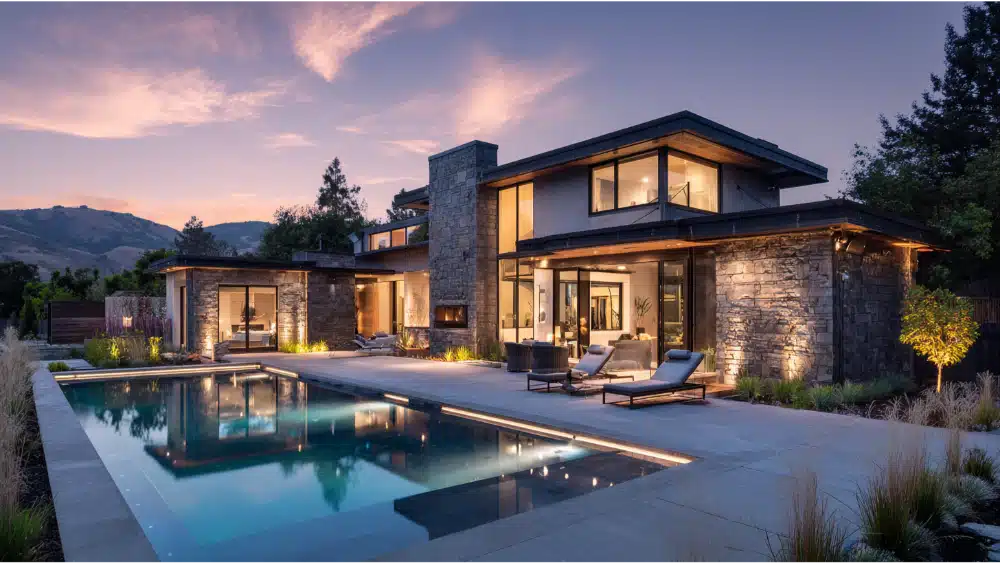
Defining Your Vision
Every custom home begins with a clear vision. This includes how you want your home to feel, how spaces connect, and how your lifestyle shapes the layout. During this stage, we explore floor plans, functionality, and long-term goals. Budget alignment is also essential. Setting realistic expectations early helps prevent major delays later in the project timeline.
Site Selection and Feasibility
Purchasing land is one of the first major decisions in the custom home building process. If you already own a lot, we evaluate site conditions such as grading, drainage systems, and utility access. These factors directly impact the home construction timeline. Understanding site conditions early allows for better planning ahead and helps avoid complications during site work.
Choosing the Right Builder
An experienced builder brings structure to the entire process. A design-build approach ensures that design and construction stay aligned from the beginning, helping to save time and minimize delays. Working with a custom home builder who understands both design and construction creates a smoother, more predictable experience.
Phase 2 | Design and Architecture (2–4 Months)
Conceptual Design
During this stage, initial floor plans are developed. Layouts are refined to reflect your needs, preferences, and how you want to live in the home. This step sets the foundation for the custom home construction and ensures every space is intentional.
Architectural Development
Detailed plans are created, including exterior walls, roof framing, and structural systems. These plans evolve into construction documents that guide the building process and support obtaining permits. This is where your home begins to take shape on paper.
Selections and Finishes
Selections such as light fixtures, plumbing fixtures, cabinetry, flooring, and exterior finishes are made during design. Making these decisions early supports material delivery timelines and helps avoid stalled construction issues later.
Why Early Decisions Matter
Incomplete selections can delay the construction process. By finalizing details early, materials can be ordered in advance, reducing the risk of major delays and improving efficiency throughout the construction timeline.
Phase 3 | Pre-Construction and Permitting (1–4+ Months)
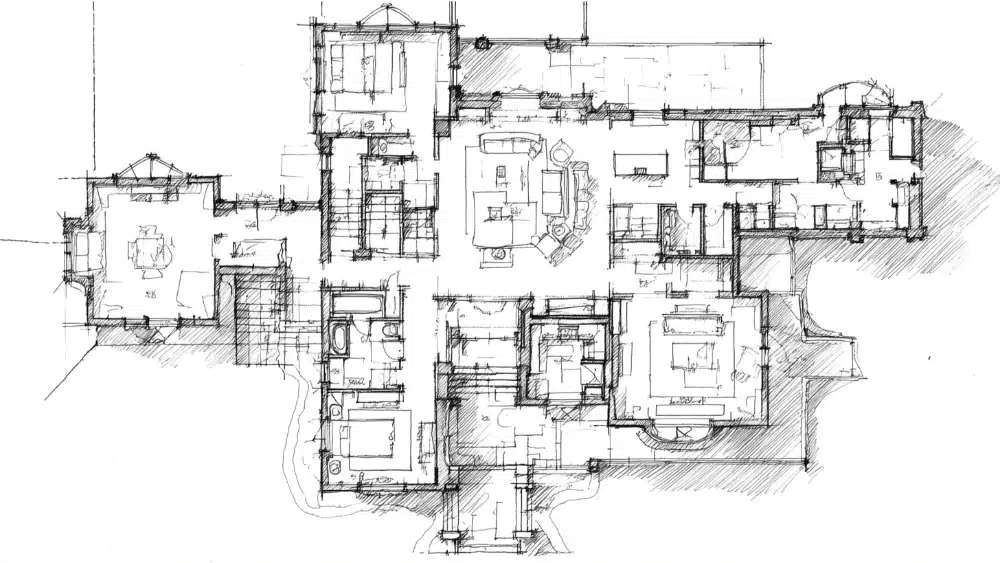
Construction Documents and Engineering
The pre-construction phase includes preparing detailed construction documents and engineering plans. These documents ensure the project meets building codes and is ready for approval.
Obtaining Permits
Obtaining permits is one of the most variable parts of the new home construction timeline. Timelines depend on local jurisdictions, review cycles, and complexity of the design. A well-prepared submission helps minimize delays, but this phase still requires patience.
Budget Finalization and Scheduling
With approvals underway, we finalize the project timeline, confirm scope, and prepare for construction to begin. This stage connects planning to execution and ensures all major systems and materials are accounted for.
Avoiding Common Delays
The most common causes of delays during pre-construction include incomplete documentation and slow approvals. A strong pre-construction strategy helps streamline the process and reduce uncertainty.
Phase 4 | Construction (6–12+ Months)
Site Preparation and Foundation
Construction begins with site preparation. Site work begins with clearing, grading, and utility installation. Drainage systems are established to support long-term performance. Foundation work follows, including excavation and forming. Depending on the design, this may include a crawl space or slab foundation. Proper foundation work ensures structural integrity and supports the rest of the build.
Framing and Structural Work
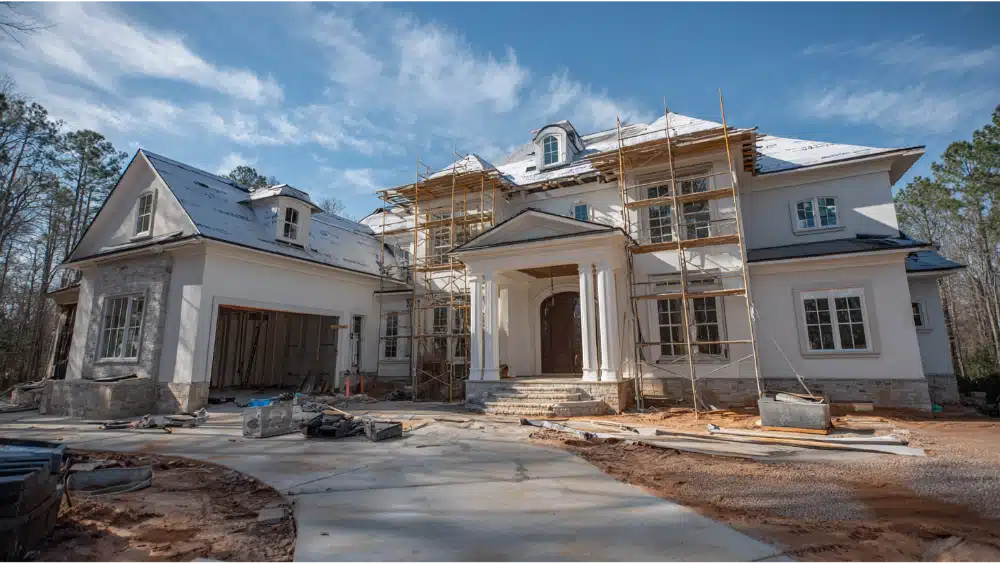
Once the foundation is complete, framing begins. Exterior walls, interior walls, and roof framing are installed, giving the home its structure. Installing windows and exterior doors follows, along with house wrap to protect the structure. This stage is critical in shaping the home and protecting it from weather exposure.
Rough-In Work and Systems Installation
Rough-in work includes installing essential systems such as plumbing lines, electrical wiring, and HVAC components. These systems operate behind the walls and are vital to the home’s performance. Utility installation continues during this phase, ensuring all major systems are properly connected.
Interior and Exterior Finishes
Interior finishes include drywall, interior trim, interior doors, cabinetry, and finished surfaces such as flooring and paint. Attention to detail is key during this stage. Exterior finishes are also completed, contributing to both appearance and energy efficiency. Proper installation helps improve energy efficiency and long-term durability.
Final Systems and Inspections
As construction progresses, final inspections are conducted to ensure compliance with building codes. Final inspections verify that all systems function correctly and meet required standards. Final inspections are a critical milestone before move-in and confirm that the home is ready for occupancy.
What Impacts Construction Speed
Several factors influence the construction timeline. Material availability, labor coordination, site conditions, and weather all play a role. Extreme heat or seasonal conditions can also affect progress. Change orders during construction can stall construction and extend the project timeline. Planning ahead and making decisions early helps minimize delays and keep the construction process on track.
Phase 5 | Final Walkthrough and Move-In (2–4 Weeks)
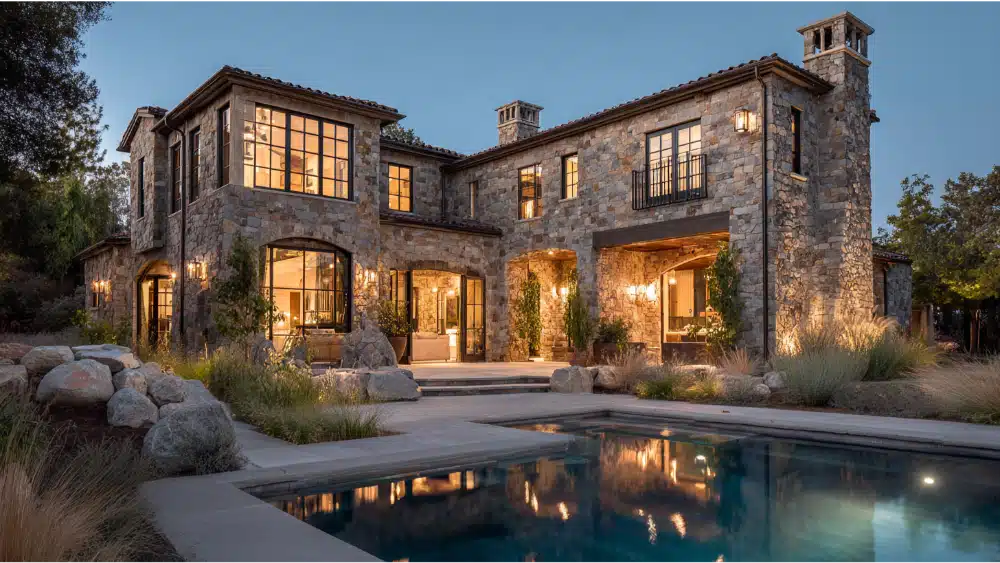
Punch List and Final Details
As the home nears completion, we focus on final details. This includes touch-ups, adjustments, and ensuring every element meets expectations.
Final Inspections and Approvals
Final inspections are completed and approvals are secured. These steps are necessary before the home can be occupied and ensure everything aligns with building codes.
Final Walkthrough and Handover
The final walkthrough gives you the opportunity to review your home and understand its systems. We guide you through features, maintenance, and functionality so you feel confident as you move in. Most homeowners can expect this stage to take a few weeks, often about two weeks depending on scheduling and approvals. This is the final step before settling into your dream home.
What Factors Affect Your Custom Home Timeline?
Home Size and Complexity
Larger homes and more complex designs require additional construction time. Custom features and unique layouts naturally extend the timeline.
Level of Customization
A highly detailed custom build includes more coordination and craftsmanship, which can increase the duration of the project.
Site Conditions
Site conditions such as slope, soil, and access impact excavation, foundation work, and site work. Challenging site conditions can extend timelines if not addressed early.
Labor and Material Availability
Material availability and skilled labor directly affect scheduling. Delays in material delivery can slow progress if not planned for properly.
Client Decisions
Timely decision-making is essential. Delays in selections or changes during construction can impact the entire process.
How to Stay on Schedule During Your Custom Build
Work With an Experienced Builder
An experienced builder brings a structured process that improves coordination and efficiency. This helps keep the project timeline aligned from start to finish.
Finalize Selections Early
Making decisions early supports material delivery and helps avoid disruptions during construction.
Maintain Clear Communication
Clear communication between all parties reduces misunderstandings and keeps the construction process moving forward.
Avoid Mid-Project Changes
Changes during construction can affect both schedule and cost. A well-defined plan helps minimize delays and ensures a smoother experience.
Custom Home Timeline vs Production Home Timeline
Production homes are designed for efficiency. Builders use standardized plans and streamlined approvals to reduce construction time. Custom homes, on the other hand, focus on personalization. Unlike production homes, every detail is designed specifically for you, from floor plans to finishes. While production homes may move faster, a custom home offers long-term value and a space tailored to your lifestyle.
Why a Well-Managed Timeline Matters
A well-managed home construction timeline supports better outcomes across every level. It helps control costs, ensures quality craftsmanship, and creates a more enjoyable experience. When each phase of the construction process is handled with care, the result is a home that feels cohesive and intentional. The right team makes all the difference in delivering a successful custom home construction project.
Frequently Asked Questions About Custom Home Timelines
How long does it take to build a custom home?
Most custom home projects take 12 to 18 months from start to move-in, depending on size, complexity, and site conditions.
What is the longest phase in the building process?
The construction phase is typically the longest, although permitting can also take significant time depending on the location.
Can I build a custom home in less than a year?
Some smaller or simpler homes may be completed faster, but most custom homes require more time to ensure quality.
What causes major delays in construction?
Major delays often come from permitting issues, material shortages, labor constraints, and changes during construction.
When should I start planning my custom home?
Planning should begin as early as possible. Starting early allows for better design decisions and a smoother overall timeline.
How can I reduce construction time?
Working with an experienced builder, finalizing selections early, and maintaining clear communication can help save time and improve efficiency.
Start Your Custom Home Project With Confidence
The custom home journey is a detailed and rewarding experience. With the right team and a clear plan, the entire process becomes manageable and even enjoyable. At Origami Design Build, we guide you through every phase of your custom home construction timeline with care, precision, and craftsmanship. From the first conversation to move-in day, we focus on delivering a home that reflects your vision and supports your lifestyle. Schedule your consultation today and take the first step toward building your dream home.