

An accessory dwelling unit, commonly called an ADU, is a smaller living space built on the same lot as a primary dwelling. Many homeowners explore this option to add flexible living space, support multigenerational living, or generate rental income. As interest in ADU construction continues to grow, one of the first questions homeowners ask is simple: can an ADU share utilities with the main house? The answer is often yes, although it depends on the type of ADU, the property layout, and local regulations.
When planning an ADU project, understanding how utilities connect to the main house is essential because these decisions affect costs, permits, and long-term functionality. A well-planned accessory dwelling unit considers how water, sewer, electricity, and gas will connect to the primary residence and whether the new dwelling unit will rely on existing utilities or require separate connections. Planning utility connections early helps homeowners avoid delays during the permitting process and ensures the project works efficiently for both the primary dwelling unit and the additional unit on the property.
Understanding Utilities in an ADU Project
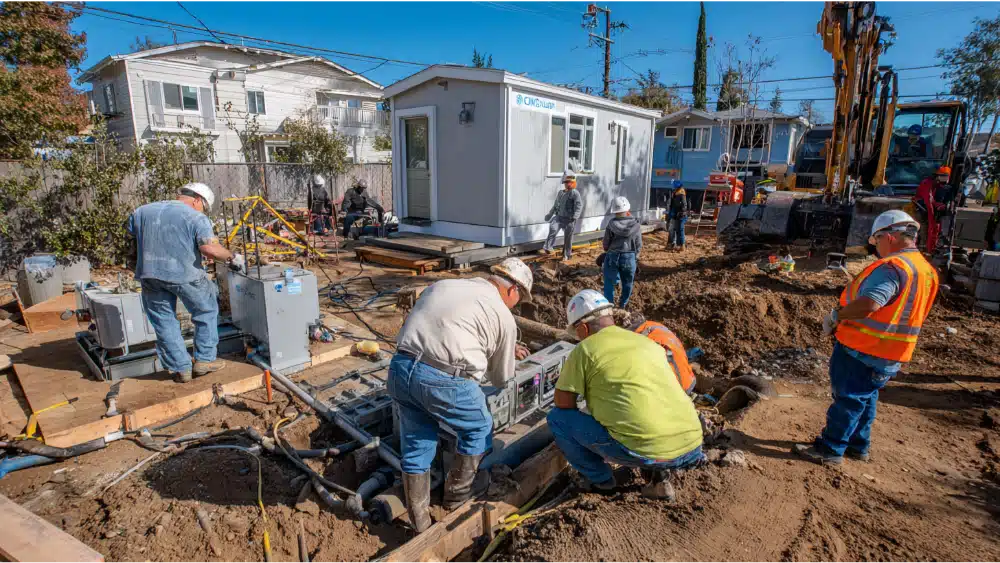
Utilities are the essential systems that allow any dwelling unit to function as a livable space. When designing an ADU, the new unit must have reliable access to water supply, sewer service, electricity, and often natural gas for heating or appliances. These systems connect through service lines that run from municipal main lines or private infrastructure to the property.
Planning the connection of utilities is a key step in the ADU process because the existing infrastructure on the property may already support another dwelling unit or may require upgrades. Homeowners should understand how these systems work before beginning an ADU project so they can estimate costs and determine whether the property can accommodate the additional service.
What Utilities Does an ADU Typically Need?
An accessory dwelling unit usually needs electricity for lighting and appliances, water supply for bathrooms and kitchens, sewer line connections for waste, and sometimes natural gas for heating and cooking. These essential utilities are usually connected to the main house through existing infrastructure on the property.
- The electrical connection runs from the electrical panel to the new dwelling unit through a dedicated line that distributes power throughout the space.
- Water is delivered through a supply line that connects to water meters serving the primary residence.
- Wastewater leaves the unit through a sewer line that connects to either a municipal sewer service or a septic system.
- If natural gas is used, the gas line may extend from the gas meter at the primary dwelling.
Each of these systems must be carefully planned to ensure the new dwelling unit operates safely and efficiently.
Why Utility Planning Matters Early
Planning utilities early in the ADU process is important because these connections influence the design and construction of the entire unit. The location of the sewer line, electrical panel, and gas meter can determine where the accessory dwelling unit is placed on the property.
When the ADU is a detached unit located farther from the main house, the length of each utility line increases and costs may rise. Connecting the new dwelling unit to existing utilities may require trenching across the property, installing new pipes, or extending electrical lines.
If the primary residence electrical panel does not have enough capacity, homeowners may need an electrical panel upgrade to accommodate the additional power demand. Addressing these details early helps the permitting process move smoothly and helps homeowners estimate total project costs more accurately.
Can an ADU Share Utilities With the Main House?
For many homeowners, the biggest concern is whether the accessory dwelling unit must install separate utilities or whether it can share utilities with the primary dwelling. In many cases, an ADU can share utilities with the main house, particularly when the new unit is attached to the primary residence or created within existing space such as a garage conversion. However, local regulations and utility providers sometimes require separate connections or additional meters.
The Short Answer
The short answer is yes, an ADU can often share utilities with the main house, but it depends on the situation. Many attached ADUs rely on the same sewer line, electrical panel, and gas meter that serve the primary dwelling unit.
When the accessory dwelling unit is created within the structure of the primary home, connecting to existing utilities is often straightforward. In contrast, a detached ADU may require new utility connections, especially if local building codes require separate infrastructure for each dwelling unit on the property.
Situations Where Shared Utilities Are Common
Shared utilities are most common when homeowners build attached ADUs or convert existing areas of the primary dwelling. A garage conversion is a popular ADU option because the existing garage already sits close to the utility lines serving the main house.
When a garage conversion is completed within the existing garage structure, connecting to the existing sewer line and electrical panel is usually cost effective. The plumbing and electrical systems can extend from the main house to the new unit without extensive excavation. Attached ADUs also commonly connect to the same gas line and water supply as the primary residence. Because both the primary residence and the ADU are within the same structure or close proximity, connecting to existing utilities is typically simpler and faster during construction.
Situations Where Separate Utilities Are Often Required
Some jurisdictions require separate utilities when the accessory dwelling unit is built as a detached ADU. In these cases, the new dwelling unit may need its own electrical connection, gas meter, or water meter.
A detached ADU located farther from the main house might require new service lines to connect directly to municipal main lines. The sewer service for the detached ADU may require a dedicated private sewer service line that connects to the public sewer line rather than sharing the existing sewer line used by the primary residence.
These additional connections increase costs and may extend the permitting process because utility providers must approve the work before installation begins.
The Role of Utility Providers
Even when local regulations allow the ADU to share utilities with the primary home, utility providers may impose their own requirements. The electric company might require a separate meter for the additional dwelling unit, especially if the ADU will operate as a rental unit.
Water authorities may require additional water meters to track usage from both the primary dwelling unit and the ADU. Gas providers sometimes require a new gas meter to ensure the system can accommodate additional appliances and heating loads.
Because of these factors, homeowners should verify requirements with each service provider early in the ADU project.
Shared Utilities vs Separate Utilities: What Homeowners Should Know
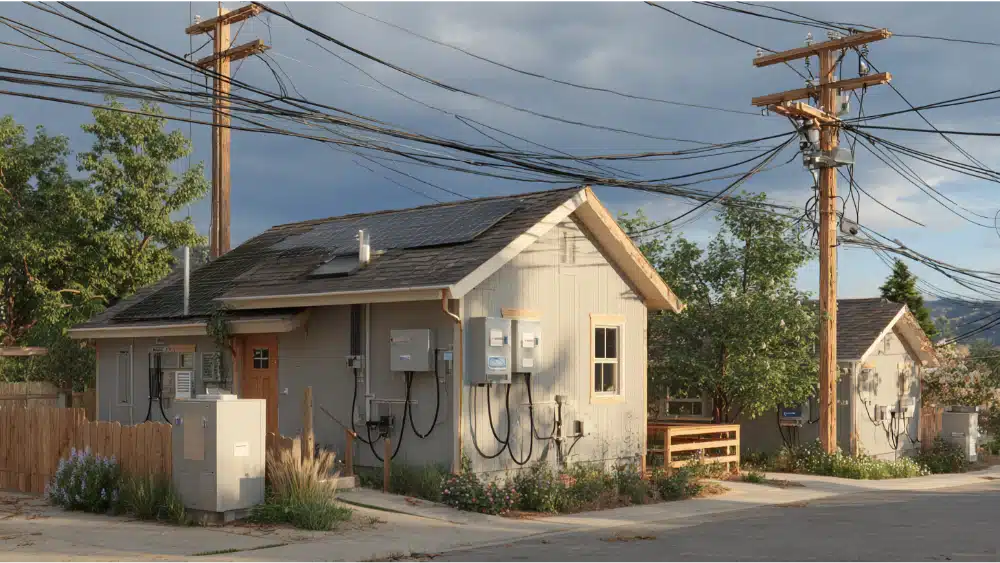
Choosing whether the ADU will share utilities with the main house or install separate utilities affects both the design and the long-term operation of the property. Each approach has advantages depending on how the dwelling unit will be used.
Shared Utility Systems
When the accessory dwelling unit shares utilities with the primary dwelling, both units rely on the same service connections for water, sewer, electricity, and gas. This approach often uses the existing sewer line, electrical panel, and gas line already serving the main house.
Advantages
Shared utilities are often more cost effective because they rely on existing infrastructure already present on the property. Extending the sewer line, water supply, and electrical connection from the main house usually costs less than installing entirely new service connections.
For homeowners planning a garage conversion or attached ADUs, sharing utilities reduces construction costs and simplifies installation. This approach also shortens the process because fewer permits and inspections may be required.
Limitations
Sharing utilities can make it difficult to measure utility usage between the primary residence and the ADU. Without a separate meter, it may be harder for homeowners to provide accurate billing if the ADU is used as a rental unit.
Some homeowners choose to install submetering equipment to provide accurate tracking of water, power, or gas usage. In addition, the electrical panel serving the main house may require an upgrade if the additional dwelling unit increases power demand beyond the existing system capacity.
Separate Utility Systems
Separate utilities provide each dwelling unit with its own dedicated service connections. The ADU may have a separate meter for electricity, water meters for water service, and a separate gas meter for natural gas.
Advantages
Separate utilities allow each unit to receive its own utility account with the service provider. This arrangement makes it easier for tenants to pay their own utility costs if the ADU is used as a rental unit.
When the accessory dwelling unit has its own meter for each service, homeowners can issue a separate bill to the tenant and avoid managing monthly expenses themselves.
Limitations
Installing separate utilities increases the overall costs of the ADU project. New utility connections often require trenching across the property to connect to municipal main lines.
The installation of additional water meters, a gas meter, and electrical connection points adds equipment and labor expenses. These systems also require additional permits and coordination with the electric company or gas service provider.
How Utility Setup Impacts ADU Construction Costs
Utility design is one of the largest cost factors in any ADU project. The type of connections required determines how much excavation, wiring, and plumbing must be completed during construction.
Cost Factors for Shared Utilities
When the ADU shares utilities with the main house, the costs usually involve extending existing utilities to the new unit. Electricians run a new line from the electrical panel to supply power to the ADU. Plumbers extend water supply and sewer line connections from the primary dwelling unit.
In some cases, homeowners must upgrade the electrical panel or gas line to accommodate additional appliances and heating equipment in the accessory dwelling unit.
Cost Factors for Separate Utilities
Separate utilities increase installation costs because the new dwelling unit requires its own connections. Contractors may need to dig trenches across the property to connect new service lines to the municipal sewer system, water supply, or electrical grid.
Installing new water meters, a separate meter for electricity, and a dedicated gas meter adds equipment and labor expenses. Utility providers may also charge connection fees for the additional dwelling unit.
Typical Cost Considerations
Utility costs vary widely depending on the property layout and the distance between the ADU and the main house. Longer utility lines require more materials and labor.
If the property relies on a septic system rather than municipal sewer service, the septic system may need an upgrade to accommodate the additional dwelling unit. Because each property is unique, working with experienced professionals helps homeowners estimate the costs associated with connecting utilities before the construction process begins.
Utility Considerations for Different Types of ADUs
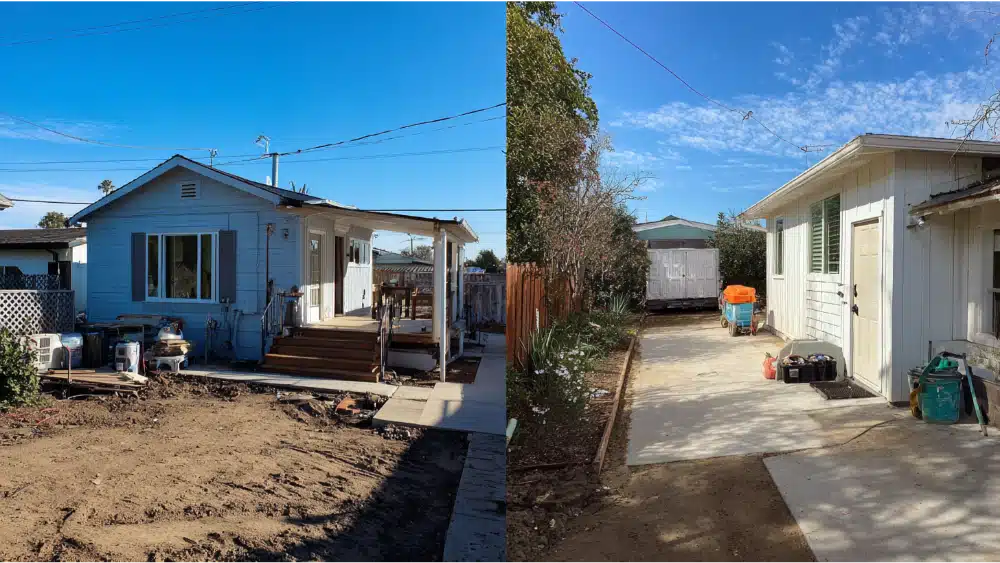
The type of ADU being built influences how utilities are installed and connected to the property.
Garage Conversion ADUs
A garage conversion is one of the most common types of ADU because it transforms an existing garage into a new dwelling unit. Since the existing garage is already located close to the main house, connecting utilities is often straightforward.
The sewer line serving the primary residence may already run near the garage conversion area, making it easier to connect the new unit to the existing sewer line. Electrical wiring can extend from the main electrical panel, and the gas line for natural gas appliances can connect to the gas meter serving the primary dwelling.
Because the garage conversion uses existing infrastructure, this type of ADU is often more cost effective than building a detached ADU.
Basement ADUs
Basement ADUs also rely heavily on existing utilities because they are located within the primary dwelling structure. Plumbing lines usually connect to the existing sewer line and water supply already serving the home. Electrical circuits can connect to the existing electrical panel, and gas appliances may draw natural gas from the same gas line as the rest of the primary dwelling.
Attached ADUs
Attached ADUs are additions built onto the primary dwelling. Because they share a wall with the main house, connecting utilities is often straightforward. The sewer line and water supply from the primary dwelling unit can extend directly into the new space.
Attached ADUs typically share the same electrical panel and gas line as the primary residence, although the system may require an upgrade to accommodate additional demand.
Detached ADUs
A detached ADU is built as a separate structure on the property, which can create additional challenges when connecting utilities. Because the detached ADU sits farther from the primary dwelling unit, contractors must run longer utility lines across the property.
These lines may connect to the existing sewer line used by the main house or may require a new private sewer service line depending on local regulations. A detached ADU may also require additional water meters, a separate meter for electricity, and a new gas meter to ensure adequate service capacity.
Electrical Capacity and Panel Upgrades
Electrical capacity is a major factor when adding an accessory dwelling unit to a property.
When the Existing Panel Is Enough
Some properties already have electrical panels that can accommodate an additional dwelling unit without major upgrades. In these situations, electricians can connect a new electrical connection from the electrical panel to supply power to the ADU.
Energy-efficient appliances and lighting help reduce overall power demand.
When an Upgrade Is Required
Many ADU projects require an electrical panel upgrade to accommodate the additional load created by another dwelling unit. Appliances, heating systems, and lighting in the ADU increase electricity usage.
Upgrading the electrical panel ensures the system can safely distribute power to both the primary dwelling unit and the accessory dwelling unit.
Planning for Future Energy Demand
Many homeowners also consider installing solar panels when building an ADU. Solar panels can generate power for both the primary dwelling unit and the additional unit on the property.
Planning the electrical system to support solar panels and future upgrades ensures the property can accommodate increased energy demand in the future.
Water, Sewer, and Plumbing Considerations
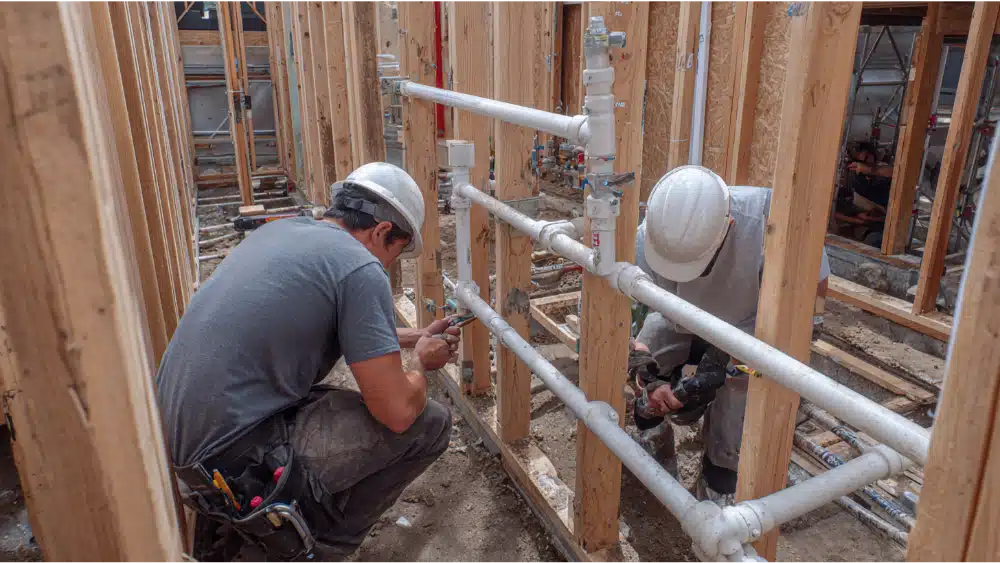
Plumbing infrastructure is another essential component of any ADU project.
Connecting to Existing Plumbing Lines
Most ADUs connect to the existing sewer line and water supply serving the primary residence. The new dwelling unit connects through branch pipes that run from the main sewer line or water service lines already installed on the property.
Sewer Line Capacity
Before connecting a new dwelling unit to the existing sewer line, contractors evaluate whether the system can accommodate additional wastewater flow. In some cases, the existing sewer line may need an upgrade or reinforcement to handle increased demand from both the primary dwelling unit and the ADU.
Septic System Limitations
If the property relies on a septic system instead of municipal sewer service, the system must be able to accommodate the additional wastewater generated by the accessory dwelling unit. Upgrading the septic system may be required if the new dwelling unit increases occupancy beyond the system capacity.
Local Water Authority Rules
Local regulations often determine whether additional water meters are required when building an ADU. Some jurisdictions allow the accessory dwelling unit to share water meters with the primary residence, while others require separate meters to measure water usage accurately.
How Utility Decisions Affect Renting or Family Use
The way utilities are connected to the ADU affects how the unit operates after construction.
Renting an ADU
Many homeowners build an ADU as a rental unit to generate rental income. When the unit shares utilities with the primary dwelling, the property owner may include utility costs in the monthly rent.
If the ADU has a separate meter for electricity or gas, tenants can open their own utility account and pay the service provider directly. Rental income from an ADU may also require homeowners to report earnings on Schedule E when filing taxes.
Multigenerational Living
Some homeowners build an accessory dwelling unit to house family members. In these cases, shared utilities may be more convenient because both the primary residence and the ADU operate as part of the same household.
Long Term Property Flexibility
A property that includes a well-designed ADU can be a great investment because it increases the functionality and value of the property. Whether used as a rental unit, guest house, or space for family members, the additional dwelling unit provides flexibility for homeowners.
Steps to Confirm Utility Requirements Before Building an ADU

Every ADU project should begin with careful research into local requirements.
Check Local ADU Regulations
Local regulations and building codes determine how an accessory dwelling unit connects to utilities. Homeowners should review zoning rules and confirm whether the ADU can share utilities with the primary dwelling unit.
Contact Utility Providers Early
Contacting the electric company, gas service provider, and water authority early helps homeowners understand what type of meter or service connections will be required.
Evaluate Electrical Panel Capacity
An electrician can inspect the electrical panel and determine whether the existing system can accommodate the additional load created by the ADU.
Work With Experienced Professionals
Expert guidance from experienced designers and builders helps homeowners navigate permits, utility connections, and the construction process more efficiently.
Smart Planning Tips for Homeowners Considering an ADU
Building an ADU requires careful planning and coordination. Start by evaluating the property to determine where the accessory dwelling unit can be placed and how utilities will connect to the main house.
Consider whether the new unit will rely on existing utilities or require separate connections. Plan the sewer line, water supply, gas line, and electrical connection carefully so the system can accommodate the additional demand.
When utilities are designed correctly, the ADU can operate efficiently and support long-term rental income opportunities.
Frequently Asked Questions About ADU Utilities
Do ADUs need separate utility meters?
Not always. Many ADU projects allow the new dwelling unit to share utilities with the main house. However, some areas require a separate meter for electricity or water.
Can a detached ADU share water and sewer lines?
A detached ADU can sometimes connect to the existing sewer line and water supply serving the primary residence, although some local regulations require separate service connections.
Can you split utilities between the main house and an ADU?
Yes, submetering systems allow property owners to measure usage from the accessory dwelling unit even when utilities are shared.
How do landlords bill utilities for an ADU?
If the unit has a separate meter, tenants pay the utility company directly. If utilities are shared, the property owner may include utility expenses in the rent or issue a separate bill based on estimated usage.
Do ADUs increase utility bills?
Yes, adding an additional dwelling unit increases water, gas, and electricity usage because more people are using the systems on the property.
Can solar power support both the house and ADU?
Yes. Solar panels can generate power that supports both the primary dwelling unit and the accessory dwelling unit on the property.
Final Thoughts: Planning Utilities the Right Way
Utilities are one of the most important factors when building an accessory dwelling unit. Whether the ADU shares utilities with the main house or installs separate connections, careful planning ensures the system operates safely and efficiently.
Understanding how sewer service, gas lines, water meters, and electrical connections work helps homeowners make informed decisions during the ADU process. With the right planning and professional guidance, an ADU can become a great investment that adds value, flexibility, and rental income potential to a property.