

What Homeowners Need to Know
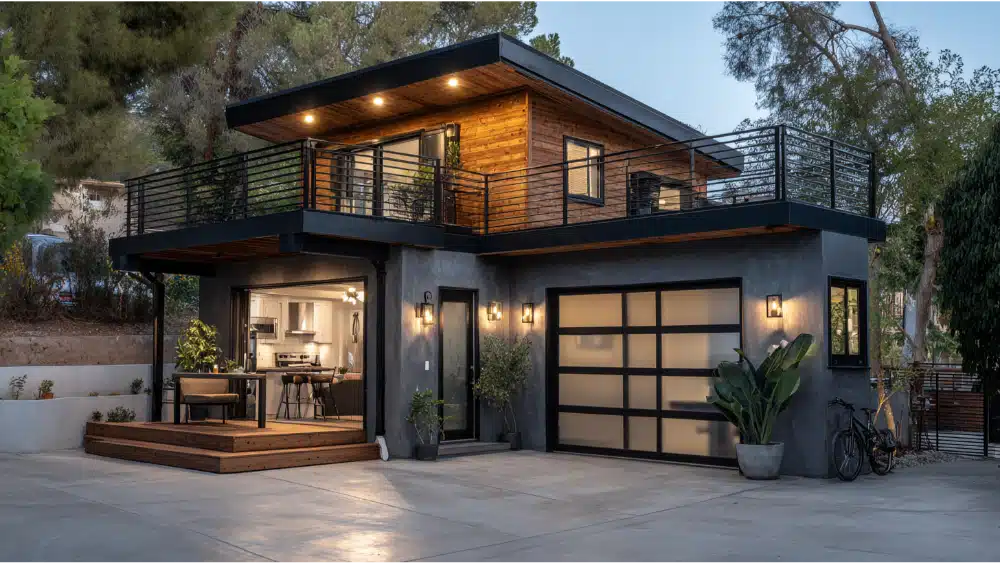
Homeowners frequently ask the same question when exploring ways to add more living space to their property: can an ADU be built above a garage? In many areas, the answer is yes, and the concept has become one of the most practical ways to expand housing without sacrificing valuable yard space. An above garage ADU transforms the vertical space above a garage into a fully functional accessory dwelling unit that can serve many purposes.
A garage ADU works by turning the second floor above a garage into livable space that functions independently from the main house. Many homeowners choose this approach because the garage already occupies ground-level square footage. Instead of expanding outward and reducing yard space, the project uses vertical space to create extra space.
For homeowners in areas such as Southern California and cities like San Diego, the demand for flexible housing solutions has made building an ADU increasingly common. Whether the goal is rental income, housing for adult children, or additional living space for elderly family members, an ADU above your garage can provide a practical path forward.
However, an ADU project involves planning and compliance with local authorities, zoning regulations, and building codes. Structural considerations, design decisions, and construction permits must all be addressed before ADU construction begins. With proper planning and experienced ADU builders, many properties can successfully support an accessory dwelling unit above a garage.
What Is an Above-Garage ADU?
An above garage ADU is a secondary housing unit constructed on the second floor of a garage structure. It functions as an independent living space while remaining part of the same property as the primary residence. This type of accessory dwelling unit is sometimes described as a carriage house or a second story ADU because the living area sits above the garage.
Unlike simple home additions, a garage ADU contains all the features needed for a complete household. It typically includes a kitchen, bathroom, sleeping area, and living area. The result is a fully livable square footage addition that can operate as a rental unit or private residence.
Many homeowners choose this configuration because it creates extra living space without requiring a separate detached ADU structure in the yard. The garage provides a natural base for the new living space, making it possible to build upward rather than outward.
Definition of an Accessory Dwelling Unit
An accessory dwelling unit is a secondary housing unit located on the same property as a single-family home. It is designed to function independently from the main residence while still sharing the same lot.
This independent living space must include the essential features of a home, including a kitchen, bathroom, and sleeping area. Once completed, the accessory dwelling unit can serve as rental housing, a granny flat, or housing for family members.
Types of ADUs Homeowners Commonly Build
Homeowners have several options when building an ADU depending on their property layout and goals. A detached ADU is built separately from the main house, usually in the backyard. Other projects involve converting existing space inside the home, such as basement units or junior ADUs.
Another common option is a garage conversion, where the garage itself becomes livable space. However, a garage ADU that sits above the garage offers a different advantage. Instead of eliminating parking space entirely, the garage remains functional while the second floor becomes a secondary housing unit.
Some homeowners build a detached garage with a carriage house style second floor. Others build an ADU above your garage attached to the main house. Both approaches allow the property to gain additional living space while preserving usable yard space.
Why Above-Garage ADUs Are Popular
An above garage ADU has become popular because it maximizes existing space on the property. Rather than building a detached ADU that occupies valuable yard space, the design uses vertical space above the garage.
This approach is also appealing because it helps maintain separation between the main house and the new living space. The second floor layout creates natural boundaries, which is especially helpful when the unit will serve as rental housing.
In addition, a garage offers a strong base structure that can support expansion when structural requirements are met. With the right design and structural engineer review, many homeowners discover their garage can become the foundation for a second story ADU.
Yes, But It Depends on Local Zoning and Regulations

While many cities allow building an ADU above a garage, local authorities determine whether the project can move forward on a specific property. Zoning laws, building codes, and permit requirements vary widely across different regions.
In places like Southern California and San Diego, local governments have introduced regulations that encourage accessory dwelling unit development. These policies make it easier for homeowners to create additional housing on residential lots.
However, the rules still vary depending on property size, square footage limits, and neighborhood zoning overlays.
Zoning Laws and Local ADU Ordinances
Many cities allow building an ADU as a secondary housing unit on residential properties. Local authorities often permit both attached and detached ADU structures, including an ADU above a garage.
However, the property must typically be zoned for a single-family home or similar residential use. Local planning departments review each ADU project to ensure it meets zoning rules and community guidelines.
Setbacks, Height Limits, and Placement Rules
When designing an ADU above your garage, height restrictions and setbacks must be considered. The new story ADU increases the overall height of the structure, which can affect zoning compliance.
Cities may also regulate how close an accessory structure can sit to property lines. These rules ensure that larger units do not overwhelm neighboring properties.
Parking and Access Requirements
Some cities require a replacement parking space if a garage conversion removes the original parking area. However, if the garage remains intact beneath the second floor ADU, the property can often maintain its existing parking space.
Access to the ADU above your garage must also meet safety standards. Staircases and entrances must comply with building codes and construction permit guidelines.
Structural Considerations for Building an ADU Above a Garage
One of the most important aspects of building an ADU above a garage involves evaluating the structural requirements of the existing structure. Not every garage was originally designed to support a second floor.
Before ADU construction begins, a structural engineer should inspect the garage to determine whether reinforcement or structural modifications are required.
Can an Existing Garage Support an ADU?
An existing garage may or may not be capable of supporting an additional dwelling unit above it. Many older garages were built only to support a roof structure, not a full living space.
If the foundation, framing, or walls cannot support the new load, structural modifications may be necessary. In some cases, rebuilding the garage entirely becomes the most reliable path forward.
Ceiling Height and Building Code Requirements
When designing a second story ADU, the ceiling height inside both the garage and the living space must meet modern building codes. The garage at ground level must remain functional, while the second floor must provide comfortable livable square footage.
Fire separation between the garage and the new living space is also required to meet safety standards.
Stairways and Access Design
A second story ADU requires safe access between ground level and the second floor living area. Many homeowners opt for exterior staircases because they create a clear separation between the main residence and the new unit.
Interior stairways can also be used when the ADU above your garage connects to the main house.
Utilities and Mechanical Systems
An accessory dwelling unit needs access to plumbing, electrical service, and climate control systems. The design team must determine how the new living space will connect to the existing home utilities.
Proper planning ensures the garage ADU functions comfortably and efficiently.
Garage Conversion vs Building a New Garage With an ADU Above
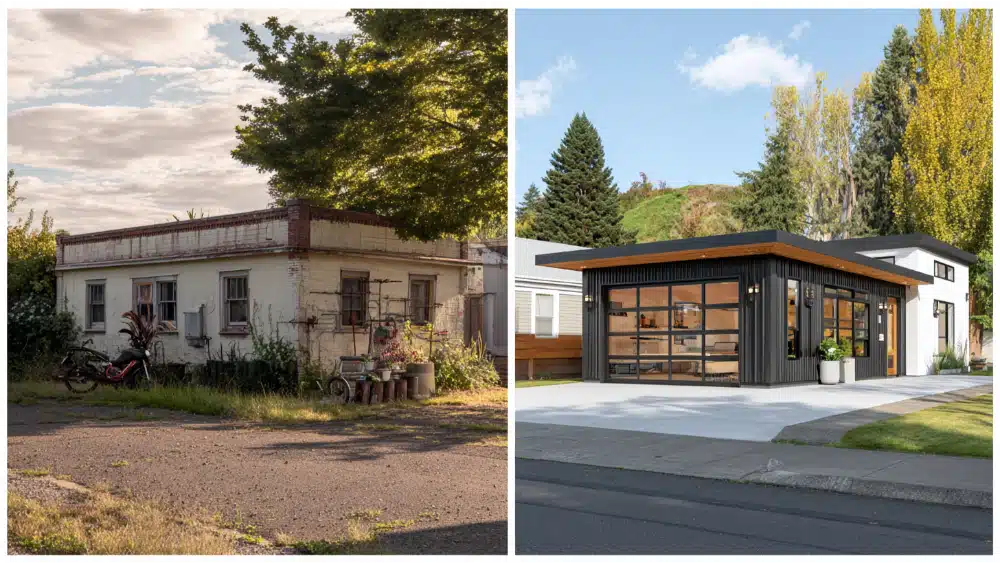
Homeowners exploring an ADU project often consider whether to modify an existing garage or build a new structure designed specifically for a garage ADU.
Each option offers advantages depending on the property layout and structural condition.
Converting an Existing Garage
A garage conversion can sometimes provide the most cost effective path to creating new livable space. In this scenario, the garage itself may become the living space, or the structure may be modified to support a second story ADU above.
However, converting an existing garage can eliminate a parking space, which may affect local zoning requirements.
Expanding or Rebuilding a Garage
If the existing structure cannot support a second story ADU, rebuilding the garage may provide more flexibility. A newly constructed garage can be engineered to support larger units and more livable square footage.
This option also allows architects to develop new garage plans that maximize square footage and functionality.
Detached Garage With ADU Above
A detached garage with a carriage house style second floor is another popular option. This design allows the garage to remain separate from the main residence while creating a fully independent living space above it.
For many homeowners, this detached ADU configuration provides excellent privacy and rental potential.
Design Considerations for Above-Garage ADUs
Design plays a critical role in the success of any garage ADU. The goal is to create a comfortable living environment that feels like a natural extension of the property.
Maximizing Natural Light and Layout Efficiency
Because the square footage of a garage ADU can be limited, natural light becomes extremely important. Designers often incorporate large windows or dormers to brighten the living area.
These features help the space feel open and welcoming despite its compact footprint.
Privacy for Both the Main Home and the ADU
Maintaining privacy between the main house and the ADU above your garage is an important design priority. Separate entrances and thoughtful window placement help ensure that both households feel comfortable.
Exterior Design Integration
The new story ADU should visually complement the architecture of the existing home. Matching rooflines, siding materials, and window styles helps the structure blend naturally into the property.
Smart Storage and Space Planning
Efficient layouts help maximize livable square footage inside the ADU above your garage. Built-in storage, compact kitchens, and flexible furniture can transform a smaller unit into a highly functional home.
Benefits of Building an ADU Above Your Garage
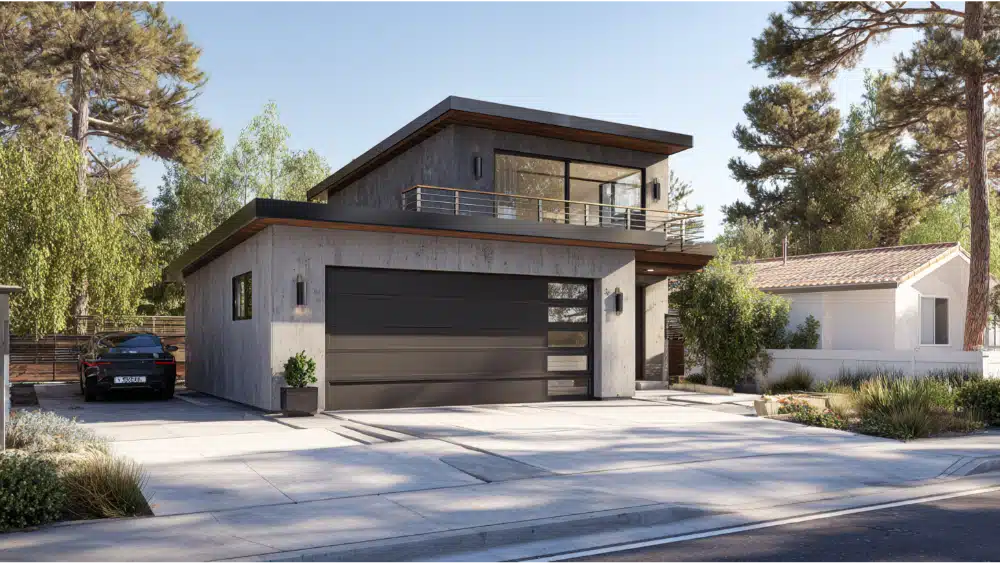
Building an ADU above your garage offers several advantages that appeal to homeowners seeking flexibility and financial return.
Rental Income Potential
Many homeowners choose building an ADU to generate rental income from a long-term rental unit. The space can provide passive income while increasing the functionality of the property.
Multigenerational Living
An ADU above a garage provides comfortable housing for adult children, elderly family members, or visiting relatives. The second floor living space allows families to stay close while maintaining independence.
Increased Property Value
Adding a secondary housing unit can increase property value and property resale value. Buyers often view properties with accessory dwelling unit options as more versatile investments.
Flexible Guest or Home Office Space
Beyond rental housing, the space can function as a home office, guest suite, or studio. With the rise of remote work, many homeowners opt to create extra living space that can adapt to changing needs.
Potential Challenges Homeowners Should Plan For
Although a garage ADU offers many benefits, there are also challenges to consider during the planning process.
Structural upgrades, zoning approvals, and design complexities can affect the final cost of the project.
Structural Upgrades
If the existing structure cannot support a second floor ADU, reinforcement or reconstruction may be required. A structural engineer can identify the necessary upgrades.
Permitting and Zoning Complexity
Local authorities review each ADU project carefully to ensure compliance with zoning laws and construction permit requirements.
Construction Costs
The final cost of building an ADU above a garage depends on structural work, square footage, and design complexity.
Parking or HOA Restrictions
Some neighborhoods regulate parking space requirements or restrict certain accessory structures.
How a Design-Build Team Simplifies the ADU Process

Building an ADU involves architectural planning, engineering, and construction coordination. A design-build approach allows homeowners to manage the entire process with one team.
Coordinating Design, Engineering, and Permits
Experienced ADU builders coordinate architectural design, engineering analysis, and permitting requirements to streamline the ADU project.
Budget Clarity From the Start
Transparent pricing and early planning help homeowners understand the financing options available for their project.
Ensuring Code Compliance
A professional team ensures that the new story ADU complies with all structural requirements and building codes.
Delivering a Cohesive Design
Design-build teams align architecture, materials, and construction methods to produce a seamless result.
Frequently Asked Questions About Above-Garage ADUs
Is it legal to build an ADU above a garage?
In many areas it is legal to build an ADU above a garage, especially in regions such as Southern California where housing policies encourage accessory dwelling unit development.
How big can an above-garage ADU be?
The maximum square footage depends on local zoning regulations. Some jurisdictions allow larger units, while others cap the size of the accessory dwelling unit.
Do I need to replace garage parking?
If the garage remains intact beneath the living space, the property may retain its original parking space.
Can I convert my existing garage into an ADU with living space above?
Yes, some homeowners combine a garage conversion with a second story ADU to create a carriage house style layout.
How much does it cost to build an ADU above a garage?
The cost varies depending on structural modifications, square footage, and design complexity. Projects range widely depending on the condition of the garage and the scope of the build.
Do above-garage ADUs add property value?
Properties with accessory dwelling unit options often attract buyers seeking rental potential or flexible living arrangements.
Is an Above-Garage ADU Right for Your Property?
An above garage ADU can transform underused vertical space into a valuable living environment. Whether designed as rental housing, a guest suite, or housing for family members, the structure adds meaningful functionality to the property.
With careful planning, building an ADU above a garage can provide long-term benefits such as rental income, increased property value, and adaptable living space. For many homeowners, the cost is worthwhile when compared with the flexibility and financial return the unit can provide.
Every property is different, which is why consulting experienced professionals is the best way to determine whether an ADU above your garage is feasible. With thoughtful design and proper engineering, a garage can become the foundation for a comfortable and efficient second home.