

Understanding Custom Home Construction and Final Inspections
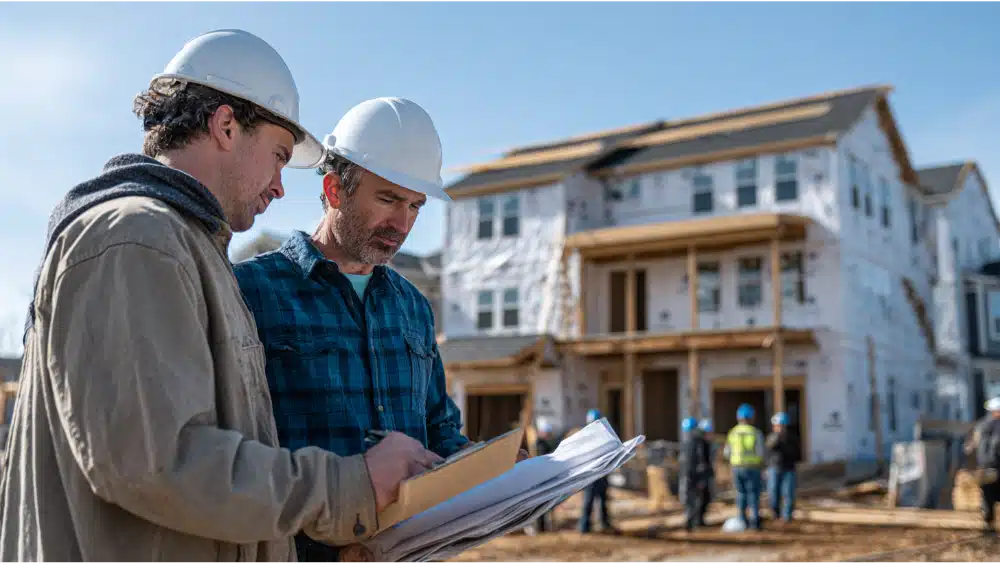
Building a custom home is an exciting journey for many homeowners. At the same time, it can feel like a complex process with many moving parts, design decisions, and financial considerations. One of the most common questions homeowners ask early in the process is, can a custom home be built in phases over time? The answer is yes, but it requires proper planning, realistic expectations, and a clear strategy for managing each construction phase.
Custom home construction involves many stages, including pre-construction planning, site preparation, foundation pouring, framing, roofing, interior finishing, inspections, and final inspections before you move in. When the process is divided into different phases, the house is built step by step according to a detailed schedule and long-term plans. This allows homeowners to focus on the most important spaces first while completing additional features later.
Many homeowners explore phased home construction because it can help spread out costs and make a dream home more achievable over time. A builder and architect can design the full project while allowing certain areas of the house to be completed later. With proactive planning, the home can maintain structural integrity and meet local building codes at every stage of construction.
The key is understanding that the entire process must still follow a clear timeline, comply with permits and inspections, and meet the expectations of local authorities. With the right builder and design team, homeowners can create a custom home that evolves with their life while maintaining quality, safety, and lasting value. Start planning early so every stage of your dream home fits together smoothly.
What Does It Mean to Build a Custom Home in Phases?
The Basics of Phased Construction
Building a custom home in phases means dividing home construction into several stages rather than completing the entire house in a single timeline. Each stage focuses on a portion of the project while leaving other areas to be completed later. The builder still prepares full plans before construction begins so that every phase aligns with the long-term vision.
During custom home construction, the early stage usually focuses on site work, site preparation, foundation pouring, and structural work. These elements form the core structure of the house. Later stages can focus on interior finishing, landscaping, or additional living spaces.
Because building a custom home is a complex process, every phase must follow local building codes and meet required permits and inspections. A professional builder ensures that each construction phase maintains structural integrity and prepares the house for the next stage.
Why Some Homeowners Choose to Build in Phases
There are several reasons homeowners explore phased home construction. Budget planning is one of the most common. Instead of completing the entire project at once, homeowners may build the core living spaces first and complete other areas later. This approach can help manage overall costs while still moving forward with the dream home.
Another reason involves lifestyle changes. Families may not need every room right away. Additional spaces such as guest suites, studios, or entertainment areas can be built later as life evolves. By working with experienced home builders and designers, homeowners can create flexible plans that support long-term living.
Phased construction can also allow homeowners to start building on their land sooner. Once site preparation, foundation, framing, and roofing are completed, the main house structure is established. Later phases can expand the house without interrupting the overall design styles chosen during pre-construction.
Examples of Common Phased Home Builds
Many custom home projects naturally allow for phased construction. One common example is completing the main house first while leaving the basement unfinished. The basement can later become additional living space with drywall, flooring, lighting, plumbing, and electrical systems added later.
Another example is adding detached structures after the primary house is completed. Homeowners may build garages, studios, or workshops during a later construction phase. These additions can be planned during pre-construction so the foundation, utilities, and landscaping support future building.
Outdoor living areas are also frequently completed later. Landscaping, patios, pools, and outdoor kitchens often come after the main home construction is finished. When these elements are included in the original plans, the property develops naturally over time.
Is It Actually Practical to Build a Home in Phases?
The Importance of Planning the Full Home First
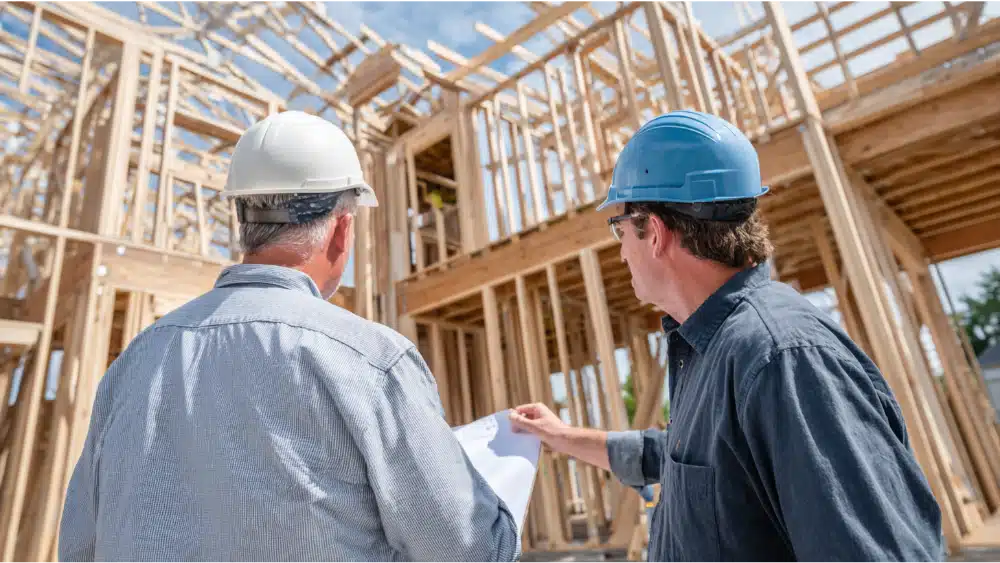
A successful custom home project begins with complete architectural plans. Even when building in phases, the architect and builder design the entire house before construction begins. This ensures that the foundation, structural work, roofing, and framing support future additions.
Proper planning helps avoid delays later in the timeline. If additional rooms are added without preparation, structural changes may be required. By planning ahead, the builder ensures that the home maintains structural integrity throughout each stage.
Careful coordination between designers, the architect, and the builder helps ensure every detail fits the overall vision. This level of planning keeps the construction process efficient and protects the quality of the finished home.
Local Building Codes and Permits
Every home construction project must comply with local building codes. These regulations protect safety and ensure the structure meets community standards. During custom home construction, permits and inspections are required throughout the process.
Local authorities typically review architectural plans before issuing permits. Each construction phase may require additional permits and inspections to confirm that the work meets safety requirements. This includes inspections for foundation work, framing, electrical systems, plumbing systems, roofing, and structural work.
Final inspections are also required before homeowners can move in. Some jurisdictions may allow occupancy once the essential parts of the house are completed, but many require full completion before issuing approval. Understanding these permit issues early helps prevent delays in the overall timeline.
Financing Considerations
Financing can influence how phased custom home construction works. Many construction loans require a clear timeline and a contract that defines when the project will be completed. Because of this, some homeowners fund later stages with additional financing or savings.
Working with experienced home builders can help homeowners understand the financial structure of the project. The builder can also provide a detailed schedule that outlines how each stage will unfold. This approach helps homeowners maintain realistic expectations about the overall costs and timeline.
How Architects and Design-Build Teams Plan Homes for Future Phases
Designing With the Final Vision in Mind
When designing a custom home, the architect and designers begin with the full vision of the dream home. Even if construction occurs in phases, the plans define how the entire house will eventually look and function.
Designers work closely with homeowners to understand their design styles, lifestyle needs, and future goals. These early design decisions influence the layout, home size, and structural systems used in the project.
By planning ahead, the builder ensures that later additions connect naturally with the original structure. This approach protects the quality and architectural character of the home.
Planning Structural Capacity
Structural planning is essential for phased custom home construction. The foundation must be designed to support future loads. Framing systems must accommodate additional rooms or structural work that may occur later.
Roofing systems also need careful design. The roof structure may need to connect with future sections of the house. Proper planning ensures the roofline integrates smoothly when new spaces are added.
By preparing the structural framework early, the builder protects the structural integrity of the home while allowing for future expansion.
Utility Planning for Future Expansion
Utilities are another important detail during pre-construction. Plumbing lines, electrical capacity, and HVAC systems may need to support future rooms. Installing rough plumbing or electrical connections early can simplify future construction phases.
Planning utility systems ahead of time also reduces delays later in the project timeline. It allows the builder to complete later phases more efficiently while maintaining quality construction standards.
What Parts of a Custom Home Are Best for Later Phases?
Basements and Lower Levels
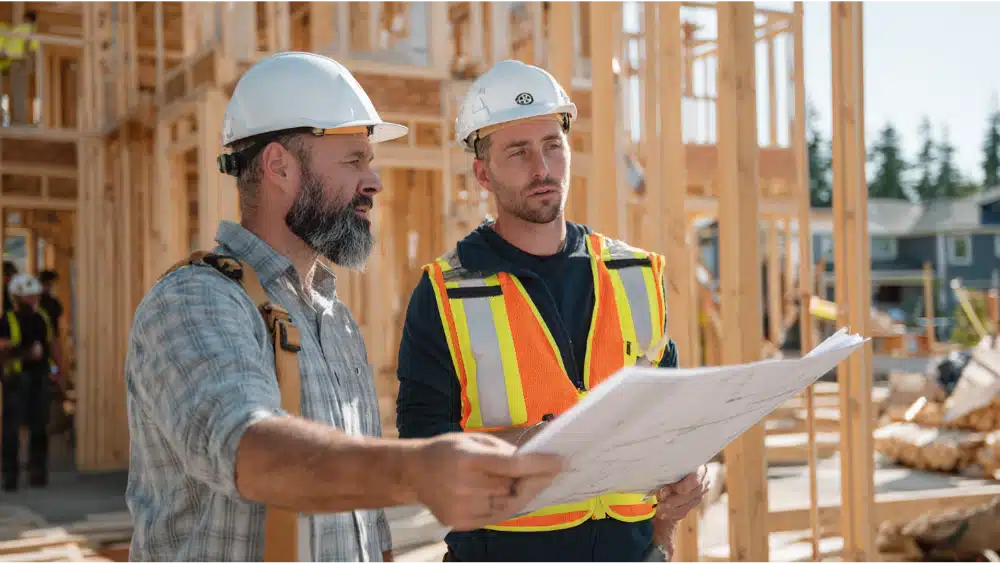
Basements are often ideal for phased construction. During the initial build, the foundation and structural framing for the basement are completed, but the interior space may remain unfinished.
Later, the basement can be developed with drywall, flooring, lighting, plumbing, electrical systems, and paint. These upgrades transform the space into additional living areas such as recreation rooms, guest suites, or offices.
Guest Suites or In-Law Wings
Another common phased addition is a guest suite. A home may initially include plans for a future wing that will be constructed later. This allows homeowners to expand the house as their needs change.
These additions often include bedrooms, bathrooms, and private entrances. With proper planning, the construction phase for these spaces connects seamlessly to the original house structure.
Detached Structures
Detached garages, studios, or workshops are often built during later phases of the project. Because these structures sit on separate foundations, they can be added without major disruption to the main house.
The builder typically prepares the land and site work during the early stages so that utilities and access points are ready when construction begins on the detached structure.
Outdoor Living Spaces
Outdoor spaces are commonly completed after the main house is finished. Landscaping, patios, outdoor kitchens, and pool areas may be developed after homeowners move in.
These improvements add value to the property while enhancing the overall lifestyle of the homeowners. Landscaping can also evolve over time as plants mature and outdoor spaces are refined.
The Pros and Cons of Building a Custom Home in Phases
Advantages of Phased Construction
Phased construction provides flexibility for homeowners pursuing their dream home. By focusing on the essential spaces first, families can move in sooner while planning additional features for later.
This approach can help distribute costs across a longer timeline. Instead of committing all money at once, homeowners may complete different stages over several years.
Phased construction also allows homeowners to refine design decisions as they live in the house. This real-world experience can influence future improvements.
Potential Challenges
While phased construction has benefits, it also presents challenges. Construction costs may rise over time as materials and labor prices change. This can increase the overall costs of the project.
Construction activity may also return to the property after the homeowners move in. Later phases can involve noise, dust, and scheduling disruptions.
Delays are another possibility. Weather, permit issues, and supply shortages can extend the timeline. Builders must manage these delays carefully while maintaining quality construction standards.
When Phased Construction Makes the Most Sense
Phased construction works best for homeowners planning to stay in their house long term. It is especially useful for large properties where landscaping, outdoor features, or additional buildings may be added gradually.
Families planning multigenerational living or evolving lifestyle needs may also benefit from phased home construction. With thoughtful planning, the home can grow with the family over time.
How to Plan a Phased Custom Home the Right Way
Start With a Comprehensive Design Plan
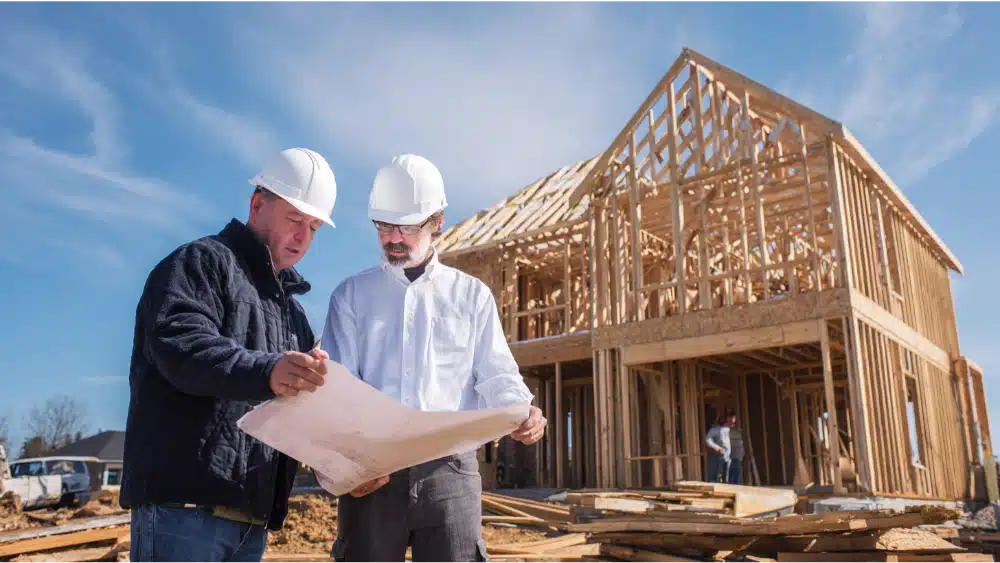
A successful project begins with detailed architectural plans. These plans define the layout of the house, the foundation, framing systems, and the full timeline of construction phases.
Working with an experienced architect and builder helps ensure the plans address every detail of the project. These early decisions influence the overall timeline, costs, and structural integrity of the house.
Build the Core Home First
Most phased projects begin with the core living spaces. Kitchens, bedrooms, bathrooms, and main gathering areas are completed first so homeowners can move in comfortably.
Interior finishing typically includes drywall installation, flooring, lighting fixtures, interior paint, doors, windows, and plumbing fixtures. These features create a functional home environment during the early stage of construction.
Leave Space for Future Expansion
Planning the site layout is another important step. The builder may prepare parts of the land for future structures, landscaping, or additions.
Utility connections, foundation extensions, and access points can all be included during early site work. This proactive planning simplifies later construction phases.
Work With a Design-Build Firm
Coordinating architects, designers, contractors, and inspectors requires careful coordination. A design-build builder manages the entire process from pre-construction planning to final inspections.
Experienced home builders understand how to manage permits, inspections, materials, and scheduling across the entire timeline. Their expertise helps homeowners avoid delays while maintaining quality craftsmanship. Start planning early with a builder who understands the complexity of phased custom home construction.
Frequently Asked Questions About Phased Home Construction
Can you live in a house that is only partially finished?
In some cases, homeowners can move in once the main living areas are completed and approved during inspections. Local authorities determine whether the house meets safety standards for occupancy. Final inspections may still occur later as additional phases are completed.
Is building in phases cheaper?
Building in phases can help spread costs over time, but it does not always reduce the overall costs of home construction. Materials and labor prices may change between phases, which can affect the final budget.
Can a construction loan cover multiple phases?
Some financing structures allow multiple phases if the builder provides a contract and timeline outlining the full project schedule. Other homeowners may finance later stages after the initial house is completed.
Do you need permits for each phase?
Most jurisdictions require permits and inspections for each stage of construction. This ensures the project meets local building codes and safety requirements.
What is the easiest part of a home to build later?
Basements, detached garages, outdoor living spaces, and landscaping features are often the easiest additions to complete later because they typically involve separate construction stages.
Building a Home That Evolves With You
Designing and building a custom home is an exciting journey that allows homeowners to create a space tailored to their lifestyle. When approached with proper planning, building in phases can turn a dream into reality while maintaining flexibility and financial balance.
The process begins with thoughtful design, detailed plans, and experienced home builders who understand every stage of construction. From site preparation and foundation pouring to framing, roofing, interior finishes, inspections, and final walkthrough steps, every detail contributes to the quality of the finished house.
Before the project is considered complete, the builder conducts a final walkthrough with the homeowners. During this stage, a punch list identifies any remaining details that must be addressed before the home is officially completed. Final inspections by local authorities confirm that the house meets all safety standards and building regulations.
Although delays can occur during construction, careful planning and experienced builders help keep the timeline on track. With the right approach, homeowners can move in with confidence knowing their custom home was built with quality materials, thoughtful design, and long-term durability.
For many homeowners, the dream home is not just about the finished structure. It is about the entire process of designing, building, and shaping a house that supports their life for years to come. With proactive planning, a phased approach can turn that dream into a carefully crafted reality.