

Building an ADU has become one of the most effective ways to add flexible housing and long term investment value to residential property. An accessory dwelling unit (ADU) provides additional livable space on single family residential lots and can serve many purposes, including housing family members, generating rental income, or creating a private workspace. Many homeowners exploring ADU development begin with the same question: how long does it take to complete the project?
The typical ADU construction timeline ranges from six to twelve months, though the schedule can vary depending on the permitting process, design complexity, and site conditions. Building an ADU involves a structured sequence of planning, approvals, and construction work. Understanding the ADU building process helps homeowners prepare for the entire process and set realistic expectations. While every project is unique, most ADU projects follow similar phases that guide the project from the first conversation through final inspections and occupancy. Careful planning, local expertise, and proactive communication with the right team can help minimize delays and keep the project moving smoothly.
Typical ADU Construction Timeline at a Glance
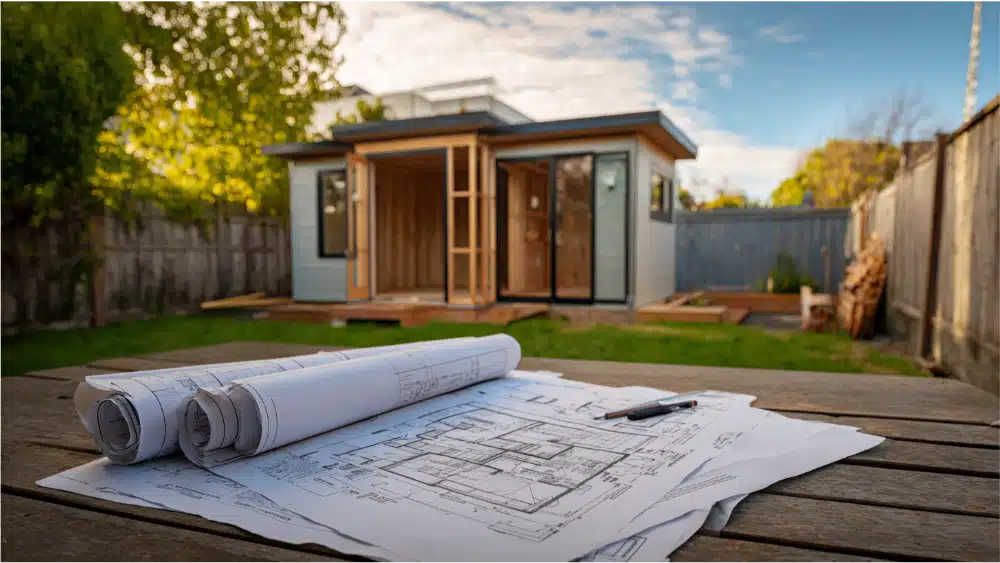
When homeowners ask, “How long does it take to complete ADU construction?” the answer depends on several stages that make up the entire process. The ADU timeline typically begins with an initial consultation and planning stage that lasts a few weeks. The design phase follows, where the design process produces detailed ADU plans that meet building codes and local regulations.
After design is finalized, the permitting process begins with submission of plans to the local building department. The review process often takes several weeks as officials verify zoning regulations, code compliance, and safety requirements. Once the necessary building permits are issued and the ADU permit is approved, the project enters the construction phase. During this stage, the physical structure is built and the project begins to resemble a finished residence. Construction schedules typically run four to six months depending on size and complexity.
The project concludes with final inspections, city inspections, and completion approval. For most ADU projects, the entire process from planning to occupancy lasts six to twelve months, though some larger projects may extend longer.
The Five Phases of an ADU Construction Timeline
Phase 1: Feasibility and Project Planning
Estimated timeline: two to four weeks
The first step in building an ADU is determining whether the property can support an accessory dwelling unit. Many homeowners begin this stage with an initial consultation to discuss goals, budget expectations, and site characteristics.
During this early planning stage, professionals evaluate zoning regulations, property setbacks, and site conditions to determine if ADU building is feasible. The team reviews the property layout and identifies the most practical placement for the new unit. This stage may include exploring options such as detached ADUs, an attached ADU, or a garage conversion depending on available space and existing structures.
Budget planning is another critical component of this stage. A realistic budget helps ensure the project remains financially sustainable throughout the ADU building process. Site prep requirements are also considered early in the project. Factors like proper drainage, grading requirements, and access for construction materials can affect the overall construction timeline.
Careful planning during the feasibility stage helps minimize delays later in the project and provides a clear roadmap for moving forward with ADU development.
Phase 2: Design and Architectural Development
Estimated timeline: two to six weeks
Once feasibility is confirmed, the project moves into the design phase. During this stage, the design process transforms the concept into detailed ADU plans ready for submission to the local permitting office. Designers and engineers collaborate to ensure the structure meets local building codes and structural requirements.
The design phase focuses on creating a comfortable and efficient layout that makes the most of a compact footprint. The team considers energy efficiency, interior flow, storage needs, and overall usability. A well-planned accessory dwelling unit can feel surprisingly spacious despite its smaller size.
Structural engineering and code compliance reviews are also completed during this stage. Designers consider design complexity, foundation work requirements, and mechanical systems such as electrical systems and HVAC systems. These technical details ensure the building process will meet safety standards and perform well over time.
The design phase also allows homeowners to choose finishes and construction materials that match their goals and budget. Completing the design process thoroughly reduces the likelihood of plan revisions later in the project.
Phase 3: Permitting and Local Approvals
Estimated timeline: eight to twelve weeks
After the design phase is completed, the ADU permit application is submitted to the local building department. This stage marks the beginning of the permitting phase, which is often the longest part of the ADU building process.
The local permitting office reviews the ADU plans to confirm they comply with zoning regulations, local building codes, and safety requirements. During the review process, officials verify that the design meets setback requirements, height limits, and other local regulations. The city review also confirms that the structure meets energy standards and code compliance guidelines.
If changes are required, plan revisions may be requested before approval is granted. Permitting timelines vary widely depending on the municipality. In many cases, the approval process takes several weeks as the local building department completes its review process.
Some projects may require coordination with utility providers for sewer lines or electrical connections. These reviews can affect the construction timeline if additional documentation or utility upgrades are required. Once the necessary building permits are issued and the approved plans are finalized, the project can move forward into the construction phase.
Phase 4: ADU Construction
Estimated timeline: four to six months
Once permits are approved, the project enters the ADU construction stage. This stage represents the most visible part of building an ADU and is where the property begins to transform into a new residence. The construction phase follows a carefully organized construction process that keeps construction schedules on track.
Site Preparation and Foundation
The first stage of ADU construction begins with site preparation. This step includes grading, excavation, and site prep to prepare the area for the new structure. Construction crews ensure proper drainage and establish stable ground conditions before beginning foundation work.
Utility trenching may also occur during site preparation to connect sewer lines, electrical service, and water supply. Challenging site conditions can extend site preparation if soil stability or grading adjustments are needed. In some cases, factors such as slope or limited access can extend site preparation and require additional work.
Once the site preparation is complete, the team pours the concrete foundation. This foundation work provides the structural base for the accessory dwelling unit and supports the entire structure throughout its lifespan.
Framing and Exterior Shell
After foundation work is completed, the framing stage begins. Carpenters construct the structural framework that forms the walls, floors, and roof. The framing stage establishes the basic shape of the building and prepares the structure for mechanical systems.
Windows and exterior doors are installed to seal the building envelope. Roofing materials are applied to protect the structure from weather during the rest of the construction phase. Exterior siding and insulation may also be installed during this stage.
The building process progresses quickly once framing is complete because the structure becomes weather protected.
Mechanical Systems
Once the building envelope is sealed, contractors install mechanical systems. Electricians install wiring and electrical systems that power lighting, appliances, and outlets. Plumbers install water supply lines, drainage systems, and connections to sewer lines. HVAC systems are installed to regulate indoor temperatures and maintain comfort throughout the year.
Proper installation of these systems is essential for code compliance and long term performance. Each system must meet strict building codes before the project can proceed to finishing work.
Interior Finishes
Interior finishing work represents the final stage of ADU construction. Drywall is installed and finished before painting begins. Flooring materials, cabinetry, and countertops are installed to complete the kitchen and living areas. Bathroom fixtures and lighting are installed as part of the final finishing stage.
These finishing details transform the construction site into a fully functional livable space. A skilled project manager coordinates the construction process to ensure each trade completes its work according to the schedule. Strong project management helps construction projects remain on schedule and helps minimize delays caused by scheduling conflicts.
Phase 5: Inspections and Final Completion
Estimated timeline: two to four weeks
Once construction work is complete, the project enters the final inspection stage. Local authorities conduct a series of final inspections to confirm that the building meets building codes and safety standards.
Inspectors review electrical systems, plumbing installations, structural elements, and energy efficiency components. City inspections ensure that the completed accessory dwelling unit meets local regulations and code compliance requirements.
The local building department may schedule several inspections during this stage to review different components of the building. Once all final inspections are approved, the city issues final approval allowing the unit to be occupied.
These approvals confirm that the ADU construction process has been completed correctly and safely. At this point, the accessory dwelling unit becomes ready for use as a guest residence, workspace, or rental property.
Factors That Can Affect Your ADU Construction Timeline
Although the typical ADU timeline ranges from six to twelve months, several factors can influence how long the entire process takes. Understanding these variables helps homeowners prepare realistic expectations before building an ADU.
Type of ADU
The type of unit being built significantly affects the construction timeline. Detached ADUs require building a completely new structure from the ground up. An attached ADU expands the primary residence and often requires structural modifications to the existing home. Projects involving existing structures, such as a garage conversion, may move faster because much of the building framework is already in place.
Property Conditions
Site conditions can affect the pace of construction projects. Sloped terrain, limited access, or poor soil stability may require additional site preparation before foundation work can begin. Challenging site conditions can also affect drainage planning and foundation design. These factors can influence construction schedules and potentially create potential delays if adjustments are required.
Design Complexity
The level of design complexity also plays a role in determining how long ADU building takes. Simple layouts and efficient floor plans typically move through the building process faster. Larger or more intricate designs may require additional engineering work and longer construction schedules.
Permitting and Local Regulations
The permitting process varies widely across different cities and counties. Some municipalities have streamlined approval procedures while others require extended review periods. Local regulations and zoning requirements can affect permitting timelines and the number of documents required during the approval process. Delays during the permitting process are one of the most common reasons projects take longer than expected.
Contractor Experience
An experienced builder can significantly influence the overall construction timeline. Professionals with local expertise understand the approval process, building codes, and review procedures required by the local building department. Their familiarity with the permitting process helps minimize delays and prevent major delays caused by incomplete documentation or plan revisions.
How to Speed Up an ADU Construction Timeline
Although building an ADU is a complex process, several strategies can help keep the project moving forward efficiently.
Start with a Feasibility Consultation
Beginning with an initial consultation allows homeowners to identify zoning restrictions, budget expectations, and potential construction challenges early. Early planning helps establish an accurate estimate for both cost and timeline.
Work with a Design Build Firm
Coordinating design and construction under one team improves communication and reduces scheduling conflicts. Proactive communication between designers, builders, and city officials helps the entire process move smoothly.
Finalize Design Decisions Early
Making key design decisions during the early design phase prevents late changes that could slow down construction schedules. Finalizing materials and layouts before submitting ADU plans helps reduce the need for plan revisions later.
Choose Efficient Layouts
Efficient floor plans simplify construction work and reduce complexity during the building process. Simpler designs typically move through the construction phase faster than complex architectural layouts.
Realistic Timeline Example for a Typical ADU Project
A typical ADU timeline often begins with a few weeks dedicated to feasibility analysis and planning. During the first month, homeowners review goals, evaluate site conditions, and develop preliminary ADU plans. The design phase usually takes several weeks as architects complete the design process and prepare documents for the permitting process.
The permitting timelines often extend through the third and fourth months as the local building department conducts the review process and completes city review. Once the ADU permit is approved, the construction phase begins. Site preparation and foundation work typically occur first, followed by framing and installation of mechanical systems. Interior finishes follow as the construction process progresses toward completion. The project concludes with final inspections and city inspections before occupancy approval is granted.
While each project is unique, most ADU projects move through these phases within six to twelve months.
Is Building an ADU Worth the Time?
For many homeowners, building an ADU is a long term investment that offers practical benefits and financial opportunities. An accessory dwelling unit can provide additional housing for family members or guests while maintaining privacy for the primary residence. It can also generate rental income through long term tenants or short term stays.
Some homeowners create a private office or studio space that supports remote work or creative projects. Over time, the property may benefit from increased value because the additional livable space enhances its functionality.
In many cases, homeowners choose ADU building because it offers a way to create steady rental income while maintaining ownership of their property. When planned carefully, the ADU building process becomes a worthwhile investment that adds flexibility and long term value.
Frequently Asked Questions About ADU Construction Timelines
How long does it take to build a detached ADU?
Many homeowners ask how long it takes to build detached ADUs from start to finish. In most cases, an ADU takes between eight and eighteen months depending on site conditions, design complexity, and permitting timelines.
What is the fastest type of ADU to build?
Garage conversion projects are often the fastest option because they use existing structures. Converting an existing space reduces foundation work and shortens the construction phase compared with building a new structure.
Can prefabricated ADUs speed up the timeline?
Prefabricated units can shorten certain parts of the ADU construction process because portions of the structure are built off site. However, the permitting process, site preparation, and utility upgrades are still required before installation.
What usually delays ADU construction?
Potential delays may occur during the permitting process, during site preparation, or when unexpected utility upgrades are required. Early planning and proactive communication can help minimize delays and keep the project moving forward.
When should homeowners start planning an ADU?
Homeowners should begin planning at least six to twelve months before they hope to complete the project. This allows time for design development, the permitting process, and construction.
Start Your ADU Project with a Clear Plan
Building an ADU requires coordination, careful planning, and attention to local regulations. The whole process involves planning, design, approvals, and construction work that gradually transforms a property into a more versatile living environment.
While the ADU construction timeline may seem lengthy, the benefits often make the effort worthwhile. Many homeowners find that building an ADU creates new opportunities for rental income, family housing, and expanded livable space. When guided by a knowledgeable team, the ADU building process becomes manageable and rewarding.
With thoughtful preparation and experienced leadership, building an ADU can become one of the most valuable improvements a homeowner makes to their property. Start your project today and explore what is possible with a carefully planned accessory dwelling unit.