

If you are asking what upgrades increase home value during a remodel, the answer starts with smart planning. The right remodel should improve comfort, function, beauty, and long-term home value. Smart home improvements support daily life now and strengthen resale value later. The best remodeling projects feel intentional, durable, and aligned with the real estate market. A well-planned home renovation can improve the value of your home, protect home equity, and create a stronger return on investment.
Why Some Remodels Add More Value Than Others
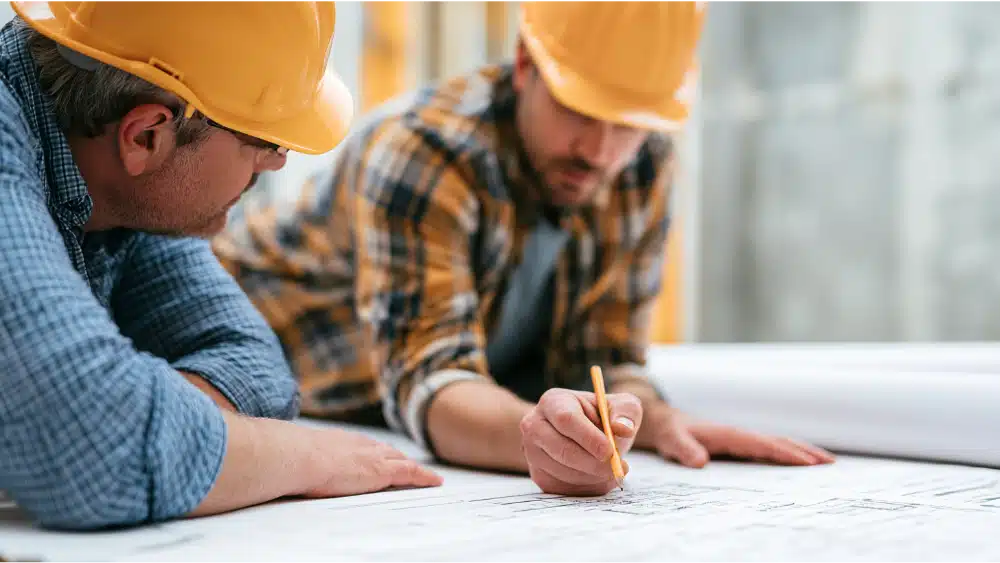
The best home improvement projects solve real problems. They improve layout, storage, comfort, curb appeal, and energy efficiency. Quality also matters. Poor work can reduce the value of your home, while thoughtful design and skilled craftsmanship can significantly boost buyer confidence.
Buyer Appeal Matters
Potential buyers notice kitchens, bathrooms, flooring, exterior condition, and natural light first. These areas often create a lasting impression. Prospective buyers also look for signs that the home has been well maintained.
Function Matters as Much as Appearance
A remodel should make the home easier to live in. Better storage, improved flow, upgraded light fixtures, and new fixtures can all add value to your home.
Quality Workmanship Protects the Investment
Strong craftsmanship protects home equity. Every renovation project should be planned with durability, safety, and long-term performance in mind.
Timeless Design Usually Outperforms Trend-Heavy Choices
Timeless materials, balanced colors, and low maintenance finishes often appeal to more buyers and future buyers.
Kitchen Remodels: One of the Strongest Value-Adding Upgrades
A kitchen remodel remains one of the most value-driven home improvements. It improves daily life and can support a higher asking price when done well.
Improve the Layout and Workflow
A kitchen should feel natural to use. Better appliance placement, prep space, and storage can make the room more efficient.
Upgrade Cabinets, Countertops, and Storage
Cabinetry, countertops, and pantry storage have a major effect on home value. These home upgrades should feel clean, useful, and built to last.
Choose Durable, Timeless Finishes
A fresh coat of paint, quality hardware, durable counters, and new floors can make a kitchen feel current without over-customizing it.
Add Better Lighting and Energy-Efficient Appliances
Energy efficient appliances, smart lighting, and layered lighting can reduce energy use and help lower utility bills.
When a Minor Kitchen Remodel May Be Better Than a Full Renovation
A minor kitchen remodel may deliver a decent ROI when the layout already works. Focus on surfaces, storage, lighting, and finishes before changing the full footprint.
Bathroom Renovations That Improve Comfort and Resale Value
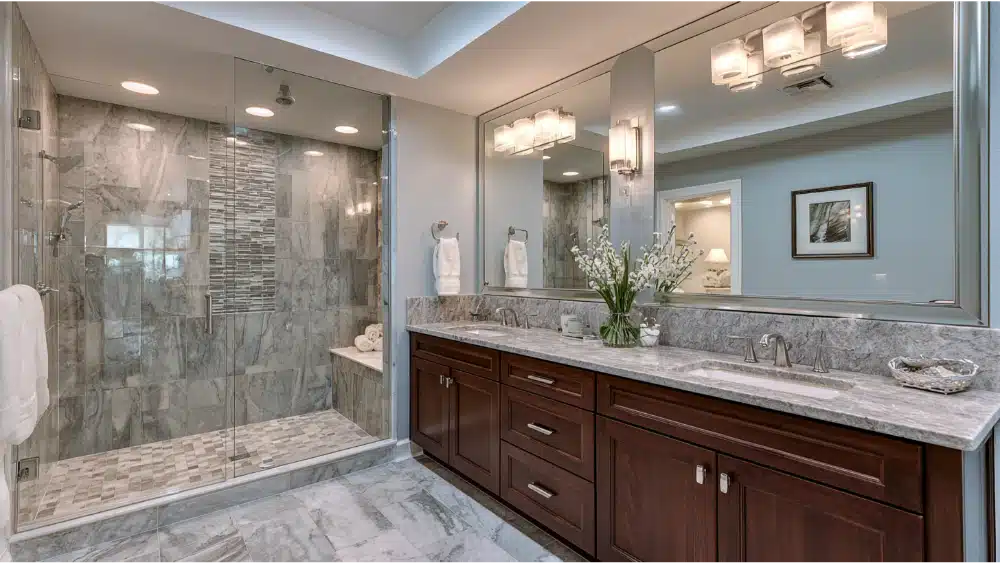
Bathroom updates are among the best ROI home improvements because they improve comfort and home value.
Replace Outdated Fixtures and Finishes
New fixtures, updated tile, better mirrors, and a fresh coat of paint can make the room feel cleaner and more refined.
Improve Storage and Vanity Design
Better vanity storage, wall niches, and linen cabinets add value to your home by making the space more practical.
Add Walk-In Showers or Improved Bathing Areas
Walk-in showers can create comfort, accessibility, and a more modern feel. A bathtub may still matter in homes designed for families.
Upgrade Lighting, Ventilation, and Waterproofing
Good ventilation, waterproofing, and light construction details protect the remodel and help preserve home value.
Why Craftsmanship Matters in Bathroom Remodeling
Bathrooms require precision. Tile work, drainage, waterproofing, and finish transitions all affect the final result.
Exterior Upgrades That Create Strong First Impressions
Exterior home improvements are some of the highest ROI upgrades because curb appeal shapes first impressions.
New Entry Doors
Entry door replacement can improve security, appearance, and energy performance. The front door should fit the home’s exterior and overall design. A second entry door replacement may be worth considering when side or rear entries are outdated.
Garage Door Replacement
Garage door replacement is one of the most cited ROI home improvements. A new garage door can refresh the home’s curb appeal quickly. The garage door takes up a large part of many façades, so style matters. Garage door costs vary, but the visual impact can be strong. A quality garage door replacement can also help the home feel newer and better maintained.
Siding Upgrades
Siding replacement can improve protection and appearance. Fiber cement is a popular option because it is durable and low maintenance. If existing siding is worn, faded, or damaged, siding replacement can support the home’s resale and strengthen curb appeal.
Manufactured Stone Veneer or Architectural Accents
Stone accents, trim, updated house numbers, and front porch details can make the home’s curb appeal feel more complete.
Roofing Improvements
Roofing may not be decorative, but it builds trust. Home buyers often feel more confident when the home’s exterior looks well cared for.
Curb Appeal as a Value Signal
Curb appeal helps create a strong first impression. It can influence how home buyers perceive the value of your home before they step inside.
Open Layouts and Better Space Planning
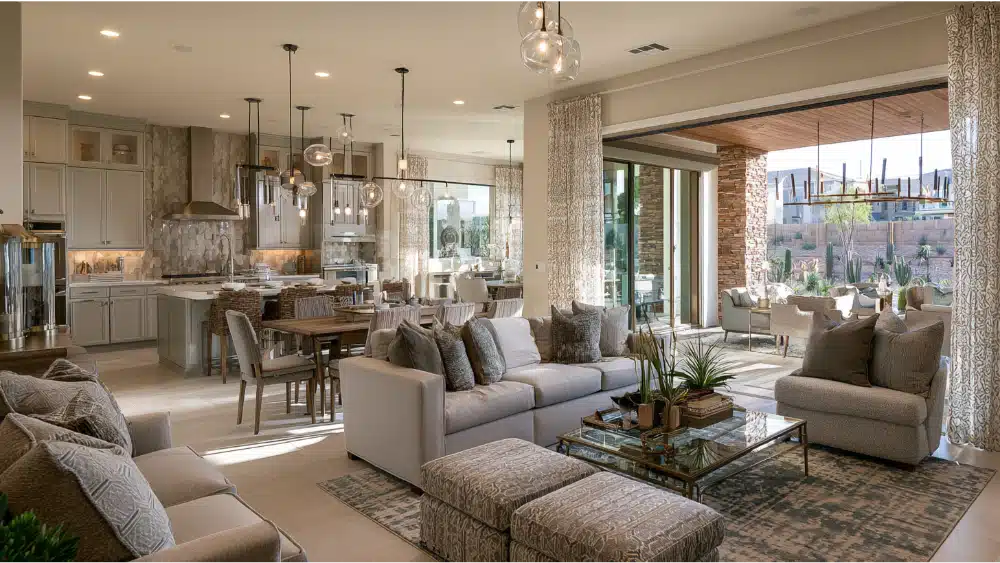
Some remodeling projects add value by making the same square footage work harder.
Improve Flow Between Living Areas
Better flow between the kitchen, dining room, and living room can make the home feel larger and more connected.
Remove Awkward or Underused Spaces
Unused corners, narrow hallways, and closed-off rooms can often be reworked into more useful areas.
Create Flexible Rooms for Modern Living
Flexible rooms can serve as offices, guest rooms, playrooms, or media spaces. This flexibility can attract more buyers.
Balance Openness With Comfort and Structure
Open spaces should still feel warm and defined. Good design creates connection without losing comfort.
Primary Suite Improvements That Support Long-Term Value
A well-designed primary suite can add comfort and home value.
Better Bedroom Layouts
Improved circulation, lighting, finishes, and storage can make the suite feel calmer and more complete.
Ensuite Bathroom Upgrades
A refined ensuite bath can support resale value when it includes quality materials, smart storage, and strong function.
Closet and Storage Improvements
Closet systems protect home equity by making the home feel more organized and livable.
A More Private, Comfortable Retreat
A primary suite should feel peaceful, practical, and connected to the rest of the home.
Energy-Efficient and Durable Home Upgrades
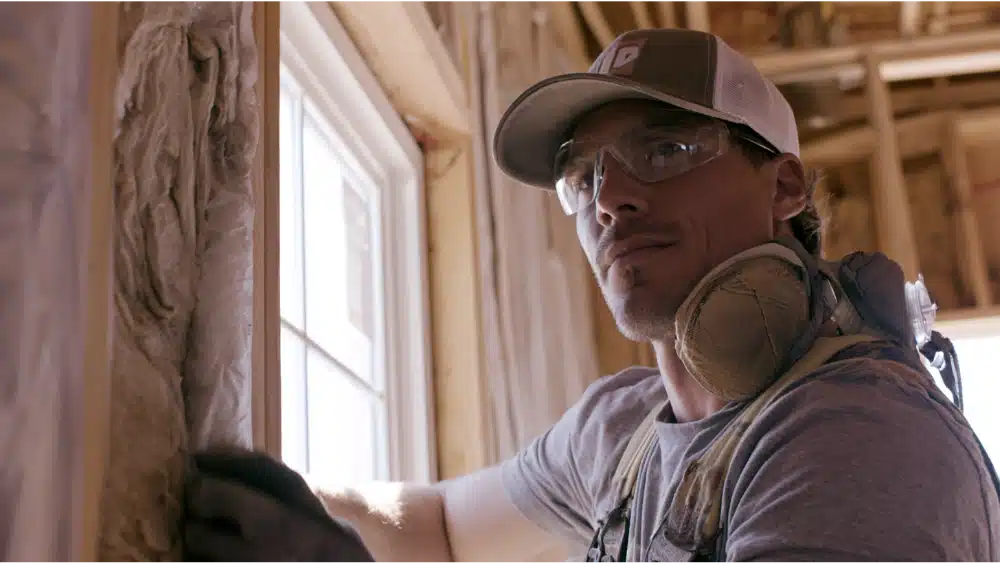
Energy efficient improvements can reduce energy bills and improve comfort. They also support long-term home renovation value.
Windows and Doors
Window replacement can reduce drafts and improve appearance. New windows, energy efficient doors, and vinyl windows can make the home feel quieter and more comfortable. A second window replacement may be smart if older windows are affecting energy bills.
Insulation and Air Sealing
Insulation and air sealing improve energy efficiency. These upgrades can be especially useful during larger home renovation work.
Efficient Lighting and Appliances
Energy Star appliances, a smart thermostat, and smart lighting can improve comfort while helping manage energy bills.
Durable Materials That Reduce Maintenance
Durable floors, siding, counters, and fixtures can reduce upkeep and protect home equity over time.
How Performance Upgrades Support Buyer Confidence
Energy efficient upgrades can make a home feel more reliable. They may also support a positive ROI when paired with the right design choices.
Finished Basements, ADUs, and Additional Living Space
Adding livable space can improve home value when the work is permitted, practical, and well designed.
Finished Basements for Flexible Living
An unfinished basement can become a family room, gym, office, or guest suite. The added square footage should feel bright, dry, and comfortable.
Guest Suites and Home Offices
Additional rooms can improve function for a new homeowner, especially when the space supports work, guests, or multigenerational living.
ADUs or Secondary Living Spaces Where Allowed
An accessory dwelling unit can add flexibility and value in the right housing market.
When Added Square Footage Makes Financial Sense
Added square footage should match the home, neighborhood, and renovation costs. Bigger is not always better.
Storage, Built-Ins, and Everyday Function
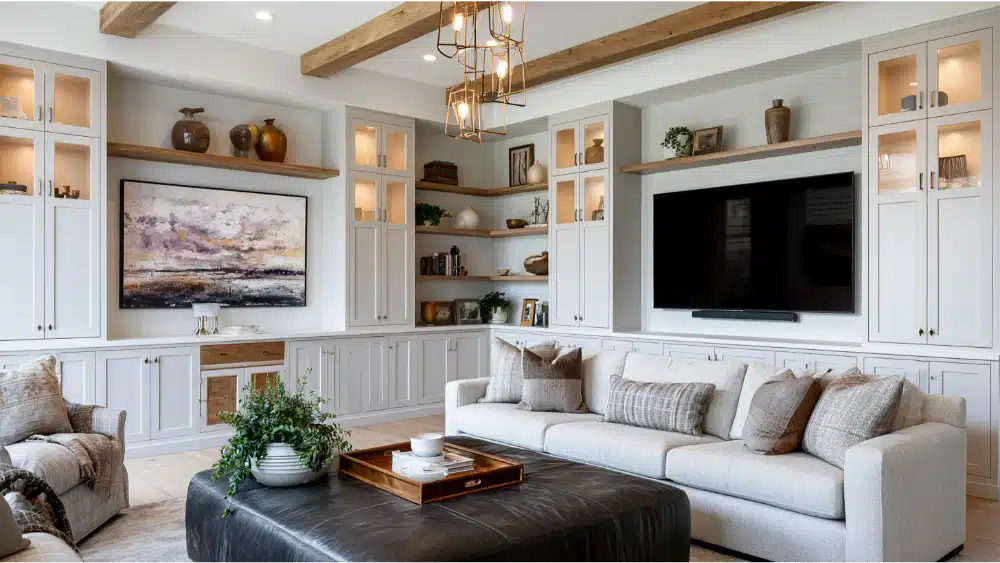
Storage-focused home improvements may be simple, but they can improve daily life and home value.
Mudrooms and Entry Storage
Mudrooms, benches, cabinets, and drop zones help manage clutter near the front door or garage door entry.
Pantry Upgrades
A better pantry can make a kitchen remodel feel more complete.
Custom Closets
Custom closets make bedrooms, hallways, and laundry areas more functional.
Built-In Shelving and Media Walls
Built-ins can make a room feel finished, organized, and more valuable.
Small Upgrades That Make a Home Feel More Intentional
The following upgrades can make a strong difference: better lighting, cleaner trim, improved storage, updated hardware, and cohesive materials.
Design Choices That Help Protect Resale Value
Design has a direct effect on home value and resale value.
Use Neutral, Elevated Palettes
Neutral palettes help appeal to more buyers. Warm colors, natural textures, and layered finishes often age well.
Invest in Quality Materials
Quality materials can increase the cost recouped because they look better and last longer.
Avoid Over-Personalized Finishes
Highly specific finishes may limit buyer appeal. Personal style matters, but permanent choices should be thoughtful.
Keep the Home’s Architecture in Mind
The best home renovation respects the home’s original character while improving performance and function.
Why Cohesive Design Matters From Room to Room
A cohesive remodel can make the whole home feel more valuable, even when the work is focused on select rooms.
Remodels That May Not Always Increase Home Value
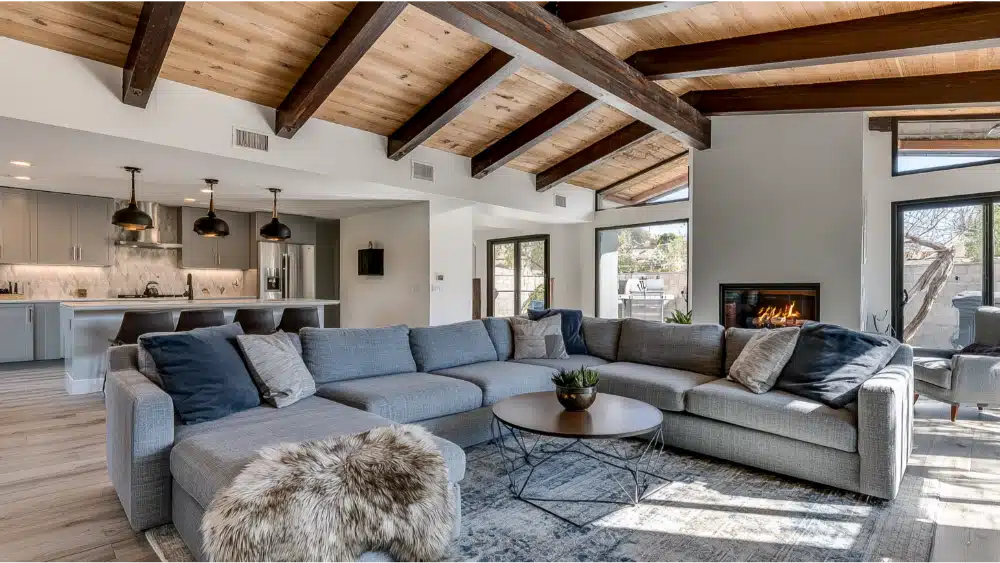
Not every upgrade creates the most value. Some projects are personal investments rather than resale-focused improvements.
Overbuilding for the Neighborhood
Overbuilding can reduce return on investment if the finished home exceeds neighborhood expectations.
Highly Customized Luxury Features
Specialty rooms, luxury features, and expensive finishes may be enjoyable, but they do not always create the highest ROI.
Poor-Quality DIY Work
Poor workmanship can hurt home equity. Bad tile, unsafe wiring, uneven flooring, and unpermitted work can raise concerns.
Trend-Heavy Designs With Short Shelf Lives
Trend-heavy choices may age quickly. Use bold details carefully, especially in expensive permanent finishes.
How to Prioritize Upgrades During a Remodel
The best home improvement projects start with a clear plan.
Start With Structural and Functional Needs
Address water damage, roofing, electrical work, plumbing, insulation, and structural concerns before cosmetic updates.
Focus on Kitchens, Bathrooms, and Curb Appeal
Kitchens, bathrooms, garage door updates, front door improvements, siding replacement, deck addition, and window replacement often deliver strong return on investment. A deck addition can also improve outdoor space and create a better connection between the home and yard. Solar panels may also be worth reviewing when they fit the home, location, budget, and long-term energy goals.
Consider Your Timeline for Selling
If you plan to sell soon, prioritize broad appeal and the home’s resale. If you plan to stay longer, balance resale value with personal comfort.
Work With a Design-Build Team Early
A design-build team can help manage renovation costs, scope, materials, and schedule. This is important because remodeling projects can become time consuming without the right planning.
Balancing Budget, Lifestyle, and Resale Goals
Some homeowners use savings, home equity, or a lump sum to fund improvements. Others consider financing, including a fixed interest rate option when appropriate. The right plan should protect home equity, improve daily life, and create value to your home over time.
Why Work With Origami Design Build

Origami Design Build plans remodeling projects with beauty, function, and long-term home value in mind.
Design-Driven Planning
We look at how each decision affects comfort, flow, materials, and return on investment.
Skilled Craftsmanship
Good craftsmanship protects the value of your home. It also creates spaces that feel refined and built to last.
Clear Communication From Concept to Completion
A well-managed home renovation should feel organized. Clear planning helps avoid confusion and keeps the process aligned.
Remodeling With Beauty and Long-Term Value in Mind
The best remodels improve how a home looks, works, and feels. They can strengthen home equity, improve curb appeal, and support resale value when it matters most. Schedule your consultation with Origami Design Build and start planning a remodel that adds comfort, craftsmanship, and lasting value.
FAQs About Remodels That Increase Home Value
What remodel adds the most value to a home?
Kitchen updates, bathroom renovations, garage door replacement, entry door replacement, siding replacement, window replacement, and curb appeal improvements often add the most value.
What are the best ROI home improvements?
The best ROI home improvements often include garage door updates, front door improvements, minor kitchen updates, siding, windows, and select bathroom upgrades.
Is a kitchen remodel worth it for resale?
Yes. A kitchen remodel can improve resale value when it improves layout, storage, lighting, and finish quality without becoming too personalized.
Do bathroom remodels increase home value?
Yes. Bathroom remodeling can improve home value when it updates worn finishes, improves ventilation, adds storage, and creates a better layout.
What exterior upgrades have the best ROI?
A new garage door, front door, fiber cement siding, roofing, window replacement, and deck addition can improve curb appeal and return on investment.
Should I remodel before selling my home?
It depends on the housing market, your budget, renovation costs, and the current condition of the property. The National Association of Realtors often highlights kitchens, bathrooms, and exterior condition as key buyer priorities.
What upgrades should I avoid if I care about resale?
Avoid overbuilding, poor workmanship, overly personal finishes, and upgrades that do not match the neighborhood or real estate market.
How do I know which upgrades are right for my home?
Start with condition, budget, goals, and timeline. A design-build consultation can help identify the home improvements that will protect home equity and add value to your home.
Conclusion
Choosing the right upgrades during a remodel is key to increasing your home’s value effectively. Focus on improvements that enhance function, curb appeal, and energy efficiency while maintaining quality craftsmanship and timeless design. Kitchen and bathroom remodels, exterior updates like garage and entry doors, siding, and window replacements consistently offer strong returns on investment. Additionally, adding livable space thoughtfully and improving flow can make your home more attractive to buyers and more comfortable to live in. By prioritizing projects that balance your lifestyle needs with market appeal, you can protect your home equity and boost resale value for years to come.