

Building a custom home is a major investment and one of the most effective ways to increase long-term comfort, function, and property value. The question many homeowners ask during early planning is simple: What features add the most value to a custom built home?
The answer is not about adding more square footage or choosing the most expensive finishes. The real value comes from intentional design decisions that improve daily living, support energy efficiency, reduce long-term costs, and appeal to future buyers. A well-planned custom home balances lifestyle needs with long-term resale value, market expectations, and practical performance.
At Origami Design Build, every custom home is approached with the same goal: create spaces that feel beautiful, efficient, and built to last.
What Makes a Custom Home Feature Valuable?
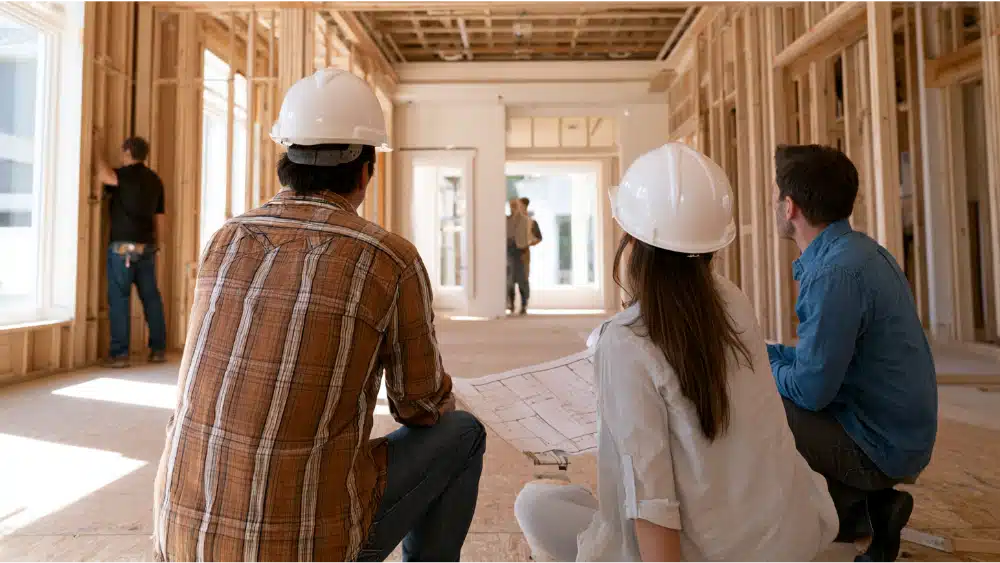
A successful custom home is defined by how well its features work together. The right choices increase home value, improve usability, and create long-term advantages in the market.
Daily Function and Livability
A valuable feature improves how people actually live in the space. Ample storage, flexible spaces, home offices, guest suites, and well-designed living spaces reduce friction in daily routines and make the home more enjoyable.
Long Term Resale Value
Resale value is always part of the equation when building a custom home. Future buyers and modern buyers look for layouts and features that feel functional, timeless, and easy to maintain. Strong design decisions help protect property value over time.
Energy Efficiency and Performance
Energy efficiency plays a major role in long-term comfort and cost control. Energy-efficient windows, smart thermostats, insulation systems, and efficient HVAC systems help reduce utility and energy costs while improving comfort throughout the year.
Design Quality and Craftsmanship
Expert craftsmanship, natural light, hardwood flooring, and thoughtful architectural details elevate the overall feel of the home. Quality construction adds confidence for buyers and strengthens long-term market position.
Kitchen Design That Anchors Home Value
The kitchen is one of the most important living spaces in any custom home. It influences how the home feels, functions, and performs in the real estate market.
A well-designed kitchen directly supports home value and resale value while improving everyday usability.
- Custom cabinetry improves storage and organization, giving homeowners ample space for daily life. Deep drawers, hidden storage zones, and pantry integration make the space more efficient.
- Granite countertops remain popular because they balance durability and visual appeal. High-quality surfaces contribute to long-term value when paired with thoughtful design.
- A large island improves usability and creates more space for cooking, dining, and gathering. It increases usable square footage within the kitchen and strengthens flow between living spaces.
- Walk-in pantries or scullery spaces add additional storage and keep main living areas clean and organized. These features appeal strongly to potential buyers who prioritize convenience.
- Natural light is a key design priority. Large windows improve atmosphere, reduce reliance on artificial lighting, and make the space feel larger and more open.
Outdoor Living That Extends the Home
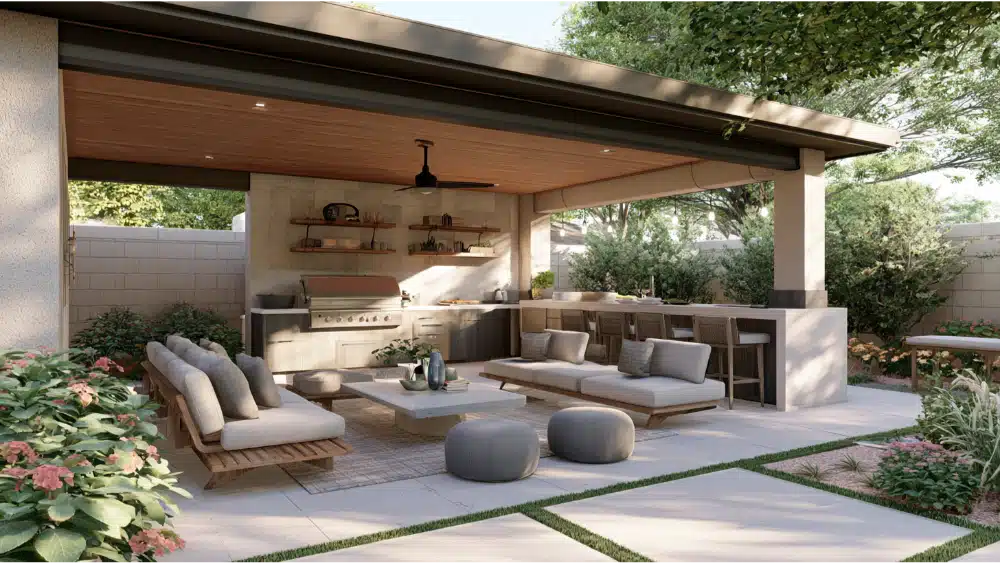
Outdoor living spaces have become essential in modern custom home design. They extend usable living spaces and create a stronger connection between interior and exterior environments.
- Outdoor kitchens, covered patios, and fire features add functional square footage without increasing the main footprint of the home. These areas improve lifestyle value and strengthen market appeal.
- Large glass doors and well-placed windows connect indoor living spaces with outdoor environments. This design approach increases natural light and makes the home feel more open and expansive.
- Outdoor living also enhances curb appeal, which directly influences how buyers perceive property value.
Energy Efficiency and Smart Systems
Energy efficiency is one of the most important considerations when building a custom home. It impacts comfort, long-term savings, and overall market competitiveness.
- Energy-efficient windows are one of the highest-value upgrades. They reduce air leaks, improve insulation, and help maintain consistent indoor temperatures. These windows also reduce heating and cooling costs, directly affecting long-term affordability.
- Spray foam insulation improves air sealing and reduces unwanted air leaks, helping stabilize indoor conditions. When combined with efficient HVAC systems, the home becomes significantly more comfortable and cost effective.
- Smart thermostats help manage energy use more efficiently. They adjust heating and cooling based on behavior patterns and help reduce overall utility costs.
- Solar panels can further improve efficiency when designed into the project early. Even if installation happens later, planning for solar during construction ensures the home is future-ready.
- Energy-efficient appliances also contribute to long-term performance and align with modern buyer expectations.
Bathrooms Designed for Comfort and Longevity
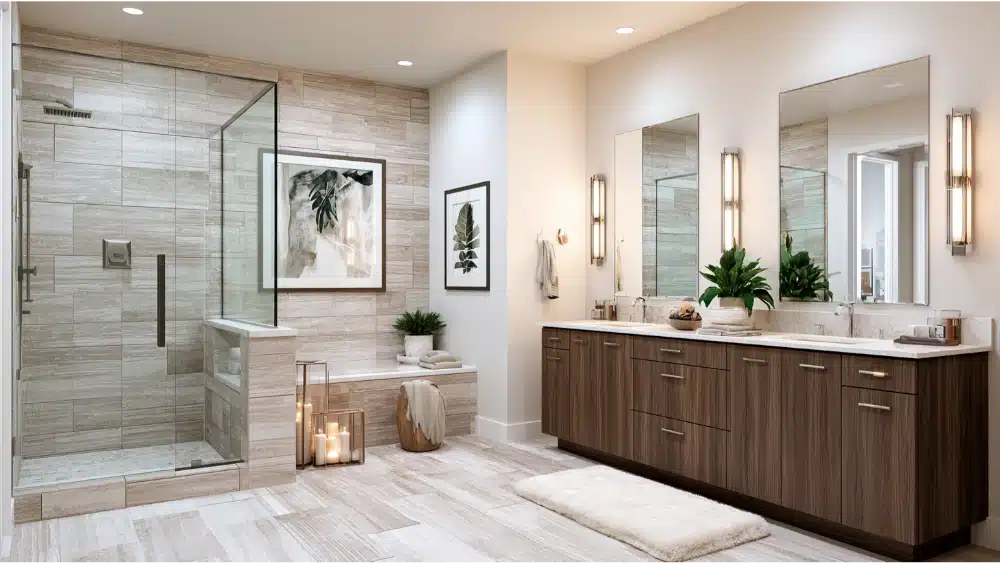
Bathrooms play a major role in both daily experience and resale value. A well-designed primary bathroom can function as a spa-like retreat while supporting long-term practicality.
- Walk-in showers with clean lines and durable finishes create a modern, accessible design. These spaces are easier to maintain and appeal strongly to future buyers.
- Double vanities improve functionality in shared bathrooms and increase efficiency during daily routines. They are one of the most requested features in a custom home.
- An en suite bathroom adds privacy and convenience, making bedrooms feel more complete and desirable in the market.
- Heated floors enhance comfort and create a more refined daily experience, especially in colder seasons.
- Natural materials such as stone, tile, and warm finishes help create a calm environment that feels timeless and durable.
Flexible Spaces That Adapt Over Time
Flexible spaces are some of the most valuable elements in a custom home. They allow the home to evolve as needs change.
- Home offices are now essential for many households, especially with remote work becoming more common. A well-designed office improves focus and productivity.
- Guest suites add flexibility for visitors or extended family and increase overall home value by expanding functional living options.
- Bonus rooms provide adaptable living spaces that can serve as entertainment areas, gyms, or creative studios. These rooms increase usable square footage without requiring structural expansion.
- An accessory dwelling unit (ADU) can significantly increase property value in the right market. It offers additional living space for guests, rental income, or family use.
- Garage conversions can also create more living space when planned correctly, although they should always be evaluated against location, resale expectations, and comparable homes in the area.
Architectural Details That Increase Character and Value
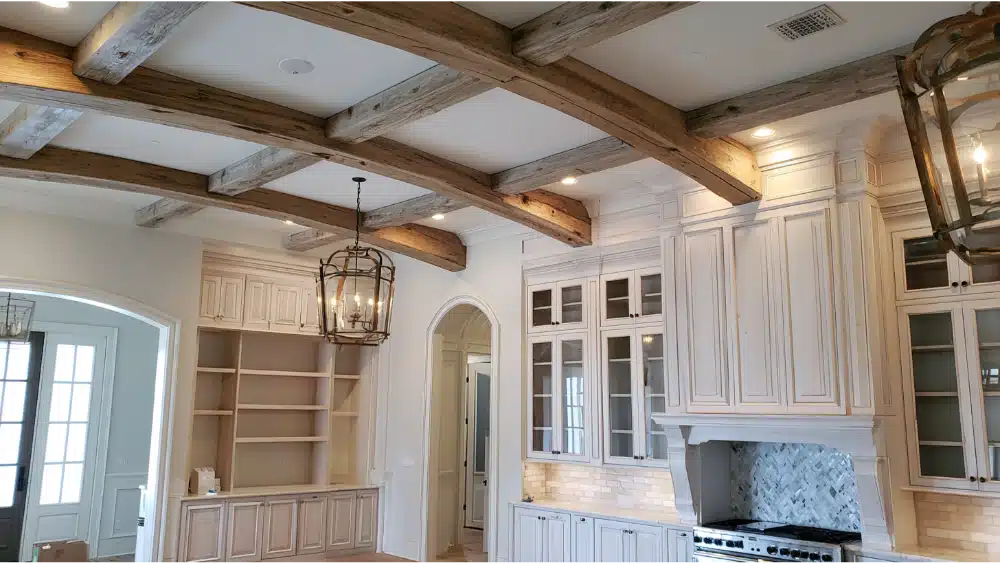
Architectural details help a custom home stand out in the market. They add personality and depth while supporting long-term appeal.
- Exposed beams bring warmth and structure into main living spaces.
- Arched doorways add softness and visual interest.
- Built-in cabinetry increases storage and creates a more finished look.
- Hardwood flooring remains one of the most desirable materials for buyers because of its durability and timeless appearance. Flooring decisions should always consider location, lifestyle, and long-term maintenance.
- Custom millwork, including trim, paneling, and ceiling details, adds refinement and reinforces expert craftsmanship throughout the home.
Smart Home Features and Modern Convenience
Smart home features continue to influence buyer expectations and market trends. When integrated properly, they improve convenience, security, and efficiency.
- Smart lighting systems allow homeowners to control ambiance and energy use across different living spaces.
- Smart thermostats improve energy efficiency and help manage heating and cooling more effectively.
- Security systems, integrated shades, and whole-home audio systems add convenience when designed into the home from the beginning.
These systems work best when they feel seamless rather than overly technical.
Curb Appeal and Exterior Design
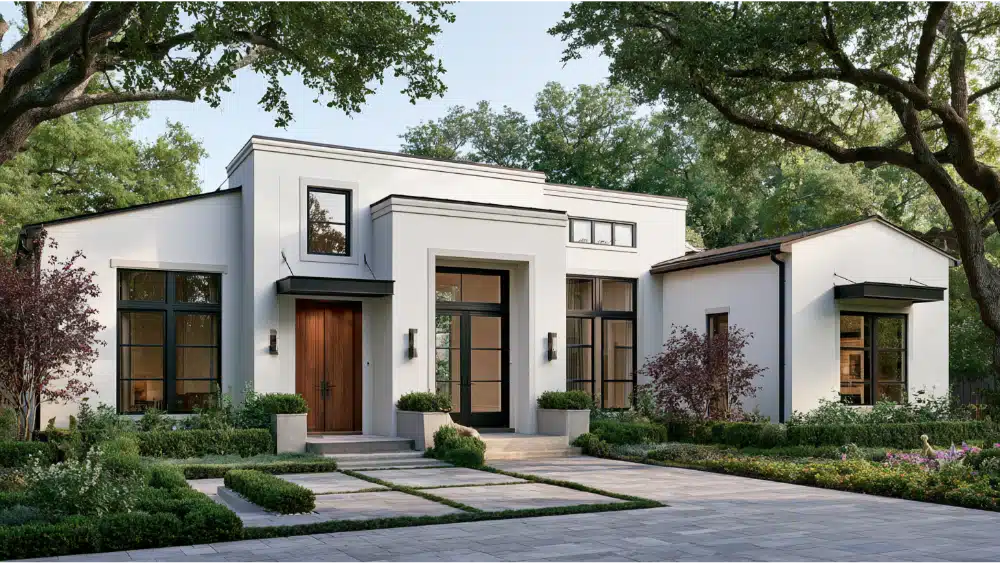
Curb appeal has a strong influence on perceived value and buyer interest. It shapes first impressions and sets expectations for the rest of the home.
- Exterior materials should be durable, balanced, and appropriate for the location. Stone, brick, wood, and siding all contribute to long-term property value when chosen carefully.
- Entry doors create a focal point and reinforce architectural identity.
- Garage doors also play a large role in exterior design since they occupy significant visual space.
- Landscaping with mature trees, structured planting, and thoughtful design improves curb appeal and strengthens the overall presence of the home.
- Exterior lighting enhances safety while highlighting architectural features at night.
Storage and Everyday Functionality
Storage is one of the most practical ways to improve a custom home. It increases usability and reduces clutter in living spaces.
- Mudrooms create transition zones for daily life.
- Walk-in closets improve bedroom organization.
- Pantry storage supports kitchen efficiency.
- Laundry rooms with cabinetry and counters improve functionality.
- Garage storage systems help keep tools and equipment organized and maintain clean interior living spaces.
These features may seem simple, but they significantly increase daily comfort and long-term satisfaction.
Construction Quality and Long Term Performance
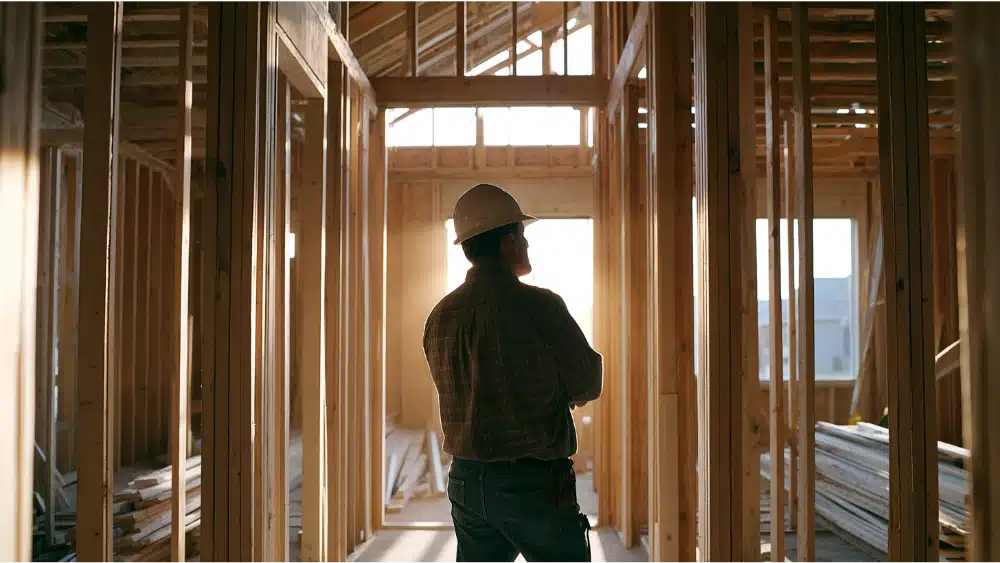
The most important value driver in any custom home is quality construction. Even the best design fails without proper execution.
- Strong planning connects design, budget, materials, and construction from the beginning of the project. This reduces inefficiencies and supports better outcomes.
- Expert craftsmanship ensures that windows, flooring, cabinetry, and finishes are installed correctly. This directly impacts durability, performance, and resale value.
- Long-term performance is what defines a successful custom home. A well-built property should remain efficient, comfortable, and structurally sound for decades.
Frequently Asked Questions
What key features should I prioritize when building a custom home?
Prioritize features that enhance daily livability, such as flexible spaces, ample storage, and energy-efficient systems. Incorporating energy-efficient windows, smart thermostats, and quality insulation can lower utility costs and increase market value. Additionally, consider adding extra living space through bonus rooms or accessory dwelling units (ADUs) to appeal to more buyers.
How do energy-efficient features add value to a custom home?
Energy-efficient features reduce long-term utility expenses and environmental impact, making the home more attractive to eco-conscious home buyers. Energy-efficient windows, appliances, and HVAC systems improve comfort and can increase resale value by approximately 4.8%. Smart thermostats can further reduce energy use by 10-15%, providing a competitive advantage in the market.
Does adding an accessory dwelling unit (ADU) make sense for my custom home?
Adding an ADU can significantly boost market value—homes with ADUs often sell for about 35% more than those without. ADUs offer extra living space, rental income potential, and multigenerational living options. Building an ADU simultaneously with the main home can lower costs and streamline construction.
How should I choose flooring for my custom home?
Hardwood flooring is highly sought after by home buyers for its durability and timeless appeal. If budget is a concern, luxury vinyl plank flooring offers a similar look at a lower cost and with easier maintenance. Choosing the right flooring depends on lifestyle, location, and long-term value considerations.
What role does outdoor living space play in adding value?
Functional outdoor living areas such as covered patios, outdoor kitchens, and fire features extend usable living space and enhance curb appeal. These spaces create a seamless connection between indoors and outdoors, improving both lifestyle and market value.
How do smart home features impact resale value?
Smart home technologies improve convenience, security, and energy efficiency. Integrated lighting, security systems, and smart thermostats appeal to modern buyers and can increase resale value by offering lower utility costs and enhanced comfort.
Final Thoughts
Adding the right upgrades and key features to a custom built home makes sense not only for enhancing your daily living experience but also for maximizing market value and appeal to future home buyers. Thoughtful design choices—such as incorporating extra living space, energy efficient features, and flexible rooms—create a dream home that stands out in a competitive market. Selecting durable materials, choosing flooring wisely, and integrating smart, energy efficient systems further strengthen your home’s long-term value and environmental impact. By focusing on quality construction, practical upgrades, and curb appeal, you ensure your custom home remains a valuable asset for years to come.