

How Long Does It Take to Build a Detached ADU?
How Long Does it Take to Build a Detached ADU?
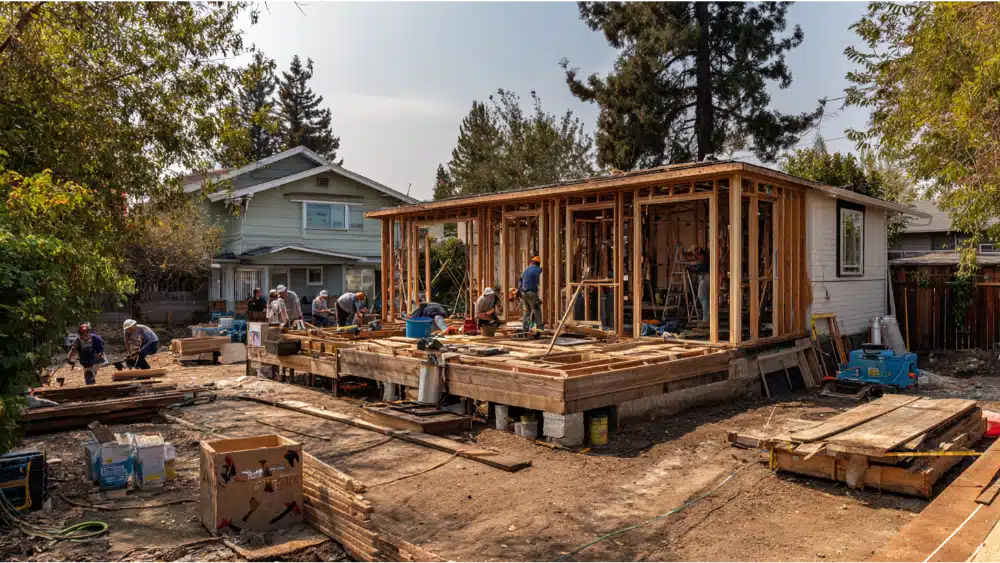
If you are asking how long does it take to build a detached ADU, the answer depends on a sequence of planning, approvals, and construction stages that must all align. A detached ADU is a full accessory dwelling unit that requires coordinated design, permitting, and construction before it becomes livable space. The overall ADU timeline is shaped far more by the permitting process and local building department reviews than by the actual build itself.
A typical ADU project takes 8 to 18 months from initial site assessment through final inspections. Some projects move faster when zoning laws are straightforward and site conditions are simple, while others take longer due to utility upgrades, city workload, or complex approval processes. The ADU construction process is structured but requires careful planning at every step to avoid delays.
Average ADU Timeline and What Affects It
Understanding how long does it take to build an ADU starts with recognizing how many phases are involved. Most detached ADU construction follows a predictable flow, but factors affecting timing include permitting timelines, material lead times, and design complexity.
A standard ADU construction timeline generally looks like this:
- Fast builds: 6 to 10 months
- Typical detached ADU: 8 to 18 months
- Complex ADU projects: 18 to 24 months or more
The ADU construction process is influenced by zoning laws, site conditions, and how quickly decisions are made during design and permitting approvals. Every accessory dwelling unit is unique, which is why timelines vary.
Site Assessment and Early Planning

The ADU building process begins with a detailed site assessment. This includes reviewing property lines, zoning laws, and site conditions to determine what can realistically be built. An experienced design team evaluates setbacks, access points, and feasibility before moving into design.
Utility upgrades are often identified early in this stage. Some properties require water, sewer, or electrical system improvements before construction can begin. In certain cases, septic system capacity must also be evaluated, which can significantly influence the overall schedule.
Careful planning during this phase helps prevent costly delays later and ensures the project begins with a realistic budget and clear expectations.
Design Phase and Construction Documents
During the design phase, architectural drawings are developed to define the structure, layout, and aesthetic direction of the detached ADU. The experienced design team works closely with engineers to ensure compliance with building codes and local regulations.
This stage is essential for producing accurate construction documents that will later be submitted for permitting approval. Decisions made here directly affect the permitting process and overall project complexity. A well-developed design reduces revisions and helps keep the ADU timeline on track.
Permitting Process and Local Building Department Review

The permitting process is often the longest and most variable part of an ADU project. Once construction documents are submitted, the local building department reviews them for compliance with zoning laws, building codes, and safety standards.
This review process may involve multiple rounds of corrections and coordination with city officials. Permitting timelines vary depending on local permitting processes, city workload, and the complexity of the design. Some jurisdictions offer streamlined approval paths for ADUs, while others require more extensive review.
Right of way permits may also be required if utility upgrades impact public infrastructure. Working with experienced professionals helps navigate approvals more efficiently and avoid unnecessary delays.
Pre-Construction Preparation and Scheduling
Once permitting approvals are secured, the project transitions into pre-construction. This stage includes contractor scheduling, procurement of materials, and coordination of utility connections. Material lead times can influence scheduling, especially for windows, cabinetry, and structural components.
Site preparation planning is also completed during this phase. This ensures the site is ready for excavation, grading, and foundation work once construction begins. Proper coordination at this stage helps maintain a smooth construction timeline.
Construction Phase and Building the ADU
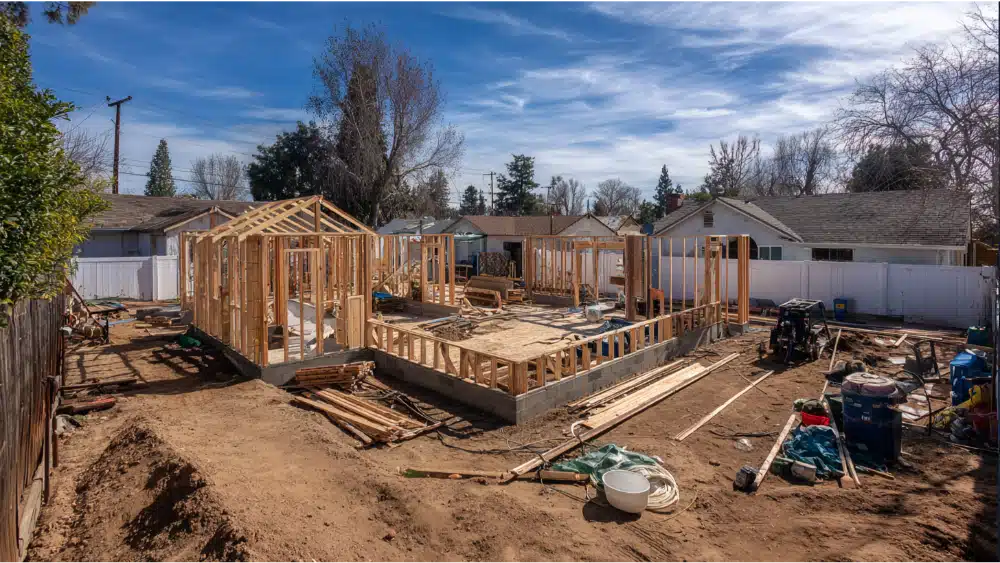
The construction phase is where the detached ADU becomes reality. Site preparation begins with grading and excavation, followed by foundation work that establishes the structural base. Once the foundation is complete, framing, roofing, and exterior systems are installed.
As construction continues, mechanical systems including plumbing, electrical systems, and HVAC are integrated. Utility connections are completed during this stage, especially when upgrades are required to support the new structure.
Interior finishes are then installed, transforming the structure into a functional living space. Throughout construction, inspections ensure compliance with approved plans and building codes. Site conditions, weather, and material availability can all impact progress during this phase.
Final Inspections and Completion
Final inspections are required before the ADU can be occupied. City inspections verify that all systems meet safety standards and match approved construction documents. City officials may conduct multiple visits depending on project complexity.
Once final inspections are approved, the Certificate of Occupancy is issued. This marks the completion of the ADU construction process and confirms the unit is ready for use. Utility activation and final walkthroughs complete the transition from construction site to livable space.
Key Factors That Influence ADU Construction Timelines
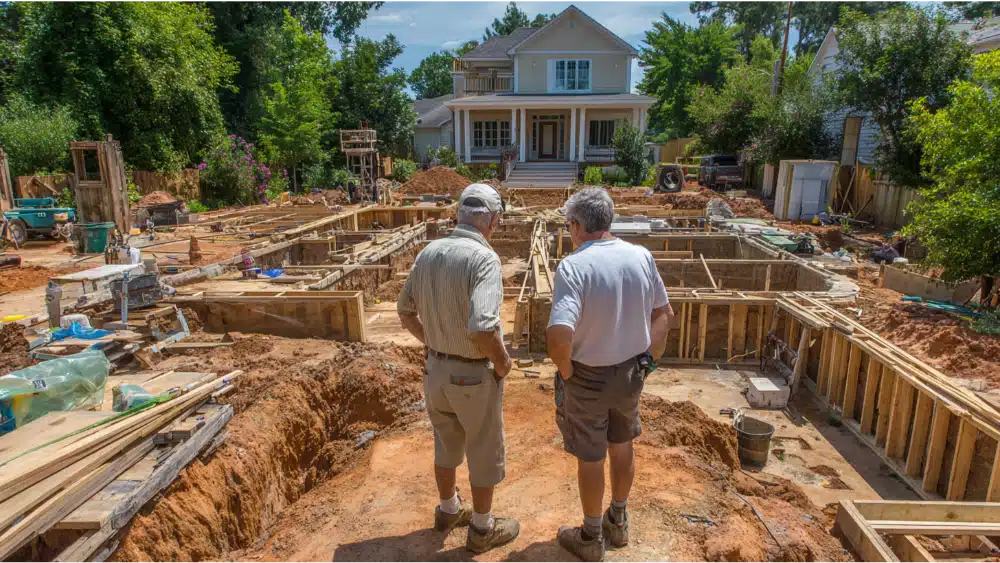
Several key factors affect how long does it take to build a detached ADU. Zoning laws, permitting process efficiency, and site conditions all play a major role in determining the schedule. Properties with challenging topography or limited access often require additional engineering and longer review periods.
Utility upgrades are another major influence, especially when water, sewer, or electrical systems must be expanded. Septic system adjustments can also extend timelines significantly. Material lead times, city workload, and design changes during construction all contribute to potential delays.
Experienced professionals help manage these variables and keep the project moving efficiently.
Detached ADU vs. Attached ADU
A detached ADU generally takes longer than an attached ADU because it is a fully independent structure. Unlike projects involving existing structures or an existing garage, a detached unit requires a new foundation, full utility connections, and complete permitting approval.
However, detached units offer greater design flexibility and privacy. Many homeowners also pursue them for potential rental income and long-term property value growth. This makes the additional time a worthwhile investment for many ADU projects.
Why the Permitting Process Is Critical

The permitting process plays a central role in any ADU construction timeline. Local building department reviews ensure compliance with zoning laws and safety codes. However, approval speed depends heavily on city workload and local regulations.
Experienced design teams help streamline communication with local officials and improve the efficiency of permitting approvals. This reduces uncertainty and helps maintain realistic expectations for the overall ADU timeline.
How to Keep Your ADU Project on Schedule
Keeping an ADU project on schedule requires careful planning from the beginning. Decisions should be made early in the design phase to avoid delays later in construction. Utility planning should also be addressed early to prevent disruptions once construction begins.
Avoiding mid-project changes is one of the most effective ways to maintain momentum. A successful ADU project depends on consistent communication, realistic expectations, and coordination between design and construction teams.
Rental Income and Long-Term Value
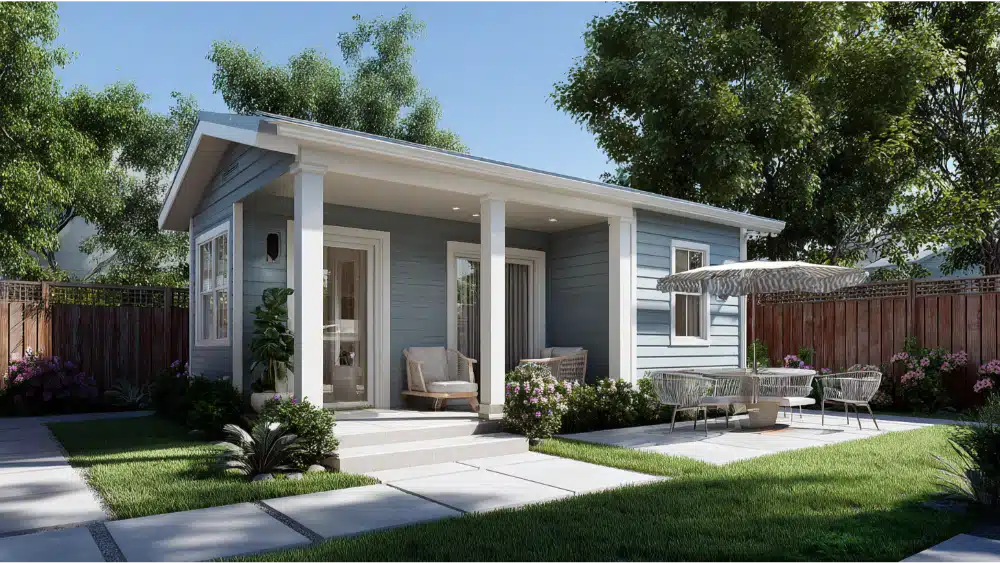
A detached ADU is often seen as more than additional space. Many homeowners use it to generate rental income and increase property value. In many markets, accessory dwelling units provide steady rental income while contributing to housing flexibility.
This long-term value makes ADU construction a strategic investment for homeowners looking to expand both functionality and financial return.
Frequently Asked Questions (FAQs)
How long does the permitting process typically take for a detached ADU?
The permitting phase can vary widely depending on local rules and city resources but generally takes between 2 to 6 months. Some jurisdictions may have a more complex process that extends this timeline, so it’s important to start the permitting process early to set realistic expectations.
Can I speed up the ADU construction timeline?
Yes, you can expedite your project by using pre-approved plans, hiring experienced professionals familiar with local regulations, and planning ahead for material procurement. Prefabricated ADUs also offer faster on-site installation, sometimes completed in just a few weeks.
What factors can cause delays during ADU construction?
Delays often stem from permitting process complexities, unexpected site conditions, utility upgrades, material lead times, weather disruptions, and changes to design plans after construction has started. Understanding these factors helps homeowners prepare and avoid setbacks.
Is it possible to live in my home during ADU construction?
Yes, most homeowners continue living in their primary residence during construction. However, construction activities may cause noise and temporary disruptions, so planning for these inconveniences is advisable.
How does building a detached ADU compare to an attached ADU in terms of timeline?
Detached ADUs generally take longer to build due to the need for a new foundation, full utility connections, and separate permitting approvals. Attached ADUs often share utilities with the main house and can have a shorter project timeline.
What role do local regulations play in the ADU project timeline?
Local rules and city regulations significantly influence the permitting phase and overall project timeline. Compliance with zoning laws, setbacks, and building codes is mandatory, and navigating these regulations can add time, especially in areas with complex or strict local rules.
Conclusion
So, how long does it take to build a detached ADU? In most cases, the ADU construction timeline ranges from 8 to 18 months, depending on permitting process complexity, site conditions, and design decisions. While the process involves multiple phases, it becomes far more predictable with experienced professionals guiding each step.
With careful planning, realistic expectations, and a strong understanding of zoning laws and local building department requirements, homeowners can successfully navigate the ADU project from concept to completion and create a high-value addition to their property.