

If you are asking how long does a major home remodel usually take, you are not alone. It is one of the first and most important questions homeowners ask before starting any home renovation. The answer depends on many variables, but one thing is consistent across every successful remodel: timelines are built through careful planning, not guesswork.
Most homeowners should expect a home remodel to take several months, and in many cases, a full home renovation can extend over a year. The remodeling process includes far more than construction alone, and understanding each phase helps set realistic expectations from the start.
At Origami Design Build, we guide every client through a clear, structured approach so your project stays organized, predictable, and aligned with your goals. Start planning your remodel with a team that values clarity and craftsmanship.
The Short Answer: Typical Timelines for Major Home Remodels

Before diving into details, it helps to understand typical timelines based on project scope, complexity, and project size.
Whole-Home Remodel Timeline
A whole home renovation or full home renovation typically takes 6 to 12 months during the construction phase. When you include the design phase, permitting, and preparation, the full home renovation timeline often ranges from 8 to 16 months. Larger projects involving the entire house can extend over a year depending on scope.
Major Room Remodels
Kitchen remodels or bathroom remodels usually take 3 to 6 months. These renovation projects are more contained but still require coordination between multiple trades, material delivery, and detailed scheduling.
Remodels with Structural Changes or Additions
When your renovation project includes structural changes, structural repairs, or significant structural changes like removing existing walls or expanding the footprint, timelines increase. These types of projects, including a whole house addition or full gut renovation, often take 9 to 18 months or longer.
The key takeaway is simple: every project has its own unique schedule, and complexity drives duration. Schedule a consultation to define your realistic timeline.
Breaking Down the Remodeling Process: Phase by Phase
Understanding the full remodeling process helps homeowners stay informed and avoid unnecessary delays. Each phase plays a critical role in keeping the project on track.
Phase 1 | Discovery and Planning (2 to 6 weeks)
Every successful remodel begins with careful planning. During this stage, we define your project scope, assess the existing space, and outline goals for your home renovation. This is also where we identify potential structural work, outdated wiring, or foundation work that could affect project timelines. Setting realistic expectations early prevents unexpected surprises later. Start planning early to create a strong foundation for your remodeling project.
Phase 2 | Design Phase and Selections (6 to 12 weeks)
The design phase is where your ideas become actionable plans. Layouts are finalized, materials are selected, and we align design decisions with budget and feasibility. Selections such as custom cabinetry, new flooring, and finishes must be confirmed to avoid mid-project delays. This is also the time to order materials early, especially for long lead items like custom cabinetry or specialty fixtures. A clear design phase keeps your remodel timeline efficient and reduces unnecessary delays.
Phase 3 | Pre-Construction and Permits (4 to 10 weeks)
Before construction begins, we finalize drawings and submit for necessary permits through your local building department. Approval timelines vary depending on your location and project type. This stage ensures your renovation project meets all codes and regulations. It also allows us to build a detailed schedule, coordinate contractor scheduling, and prepare for material delivery.
Phase 4 | Construction Phase (3 to 9 plus months)
The construction phase is where your home remodel becomes reality. This stage includes demolition, structural work, electrical work, plumbing, and interior work. During this phase, multiple trades work in sequence. Structural changes, foundation work, and addressing unforeseen issues like outdated wiring can extend timelines. A project manager oversees progress, helps monitor progress, and ensures the project stays aligned with the completion date.
Phase 5 | Final Walkthrough and Completion (1 to 3 weeks)
As the project nears completion, we conduct a final walkthrough to review every detail. This ensures all work meets expectations and any final adjustments are completed. A thorough final walkthrough is essential to delivering a successful remodel and a finished space that feels complete and refined.
What Impacts Your Home Renovation Timeline?

No two projects are identical. Several factors influence how long a home remodel takes and how your home renovation timeline unfolds.
Project Scope and Complexity
The biggest factor is project scope. Cosmetic renovations move faster than projects involving structural changes or repairs. A gut renovation requires more time due to demolition, rebuilding, and coordination across trades.
Size of the Project
Project size directly affects duration. A whole house remodel takes longer than a single room renovation because it involves more materials, labor, and sequencing.
Structural Work and Existing Conditions
Structural work such as removing walls, addressing repairs, or upgrading wiring can introduce unforeseen issues. These conditions are common in older homes and can affect your remodel timeline.
Permits and Local Requirements
Working with your local building department is necessary. Securing permits and scheduling inspections can influence project timelines and may introduce unforeseen delays.
Material Selection and Availability
Material delivery plays a critical role. Items like custom cabinetry and specialty finishes often require extended lead times. Planning ahead and choosing materials early helps keep the project on track.
Contractor Scheduling and Market Conditions
Contractor scheduling is another key factor. During busy seasons, availability can impact your start date. Planning during off-peak times can help reduce delays and improve efficiency.
Why Design Build Keeps Your Project on Track
A design-build approach creates alignment between design and construction, helping your project stay on track from start to finish.
One Team Managing the Entire Process
With a single team overseeing the home remodeling project, communication is streamlined. This reduces common delays and ensures clarity throughout the remodeling process.
Accurate Planning and Budget Alignment
Detailed planning helps anticipate and handle unexpected costs before construction begins. This reduces disruptions during the build.
Coordinated Scheduling
A well-organized team coordinates multiple trades, material delivery, and inspections to avoid unnecessary delays and keep the project moving.
Clear Communication and Transparency
Using an online system allows homeowners to stay informed, review updates, and track progress. This level of visibility supports maintaining sanity during a complex renovation project. Work with a team that delivers a predictable and successful remodel.
Common Timeline Mistakes Homeowners Make

Even the best plans can face challenges. Understanding common delays helps you avoid them.
Underestimating Planning Time
Skipping careful planning often leads to issues mid-project. A strong start ensures a smoother process.
Making Decisions Mid-Project
Changing selections mid-project can disrupt schedules, delay material delivery, and impact the completion date.
Not Ordering Materials Early
Failing to order materials early can result in waiting on key components like custom cabinetry or fixtures.
Choosing the Wrong Team
An inexperienced contractor can lead to unnecessary delays, poor coordination, and a longer remodel timeline.
How to Keep Your Remodel Timeline on Track
A successful remodel depends on preparation, communication, and the right team.
Start Planning Early
Start planning as soon as possible to align your goals, budget, and timeline.
Set Clear Expectations
Setting and maintaining realistic expectations throughout the process helps avoid frustration.
Stay Involved and Informed
Communicate regularly and review updates to ensure your project stays on track.
Prepare for the Unexpected
Even with careful planning, unforeseen issues can arise. Build flexibility into your timeline to manage unexpected delays.
Choose the Right Team
An experienced team helps manage project timelines, coordinate trades, and keep your project on track.
Realistic Timeline Examples
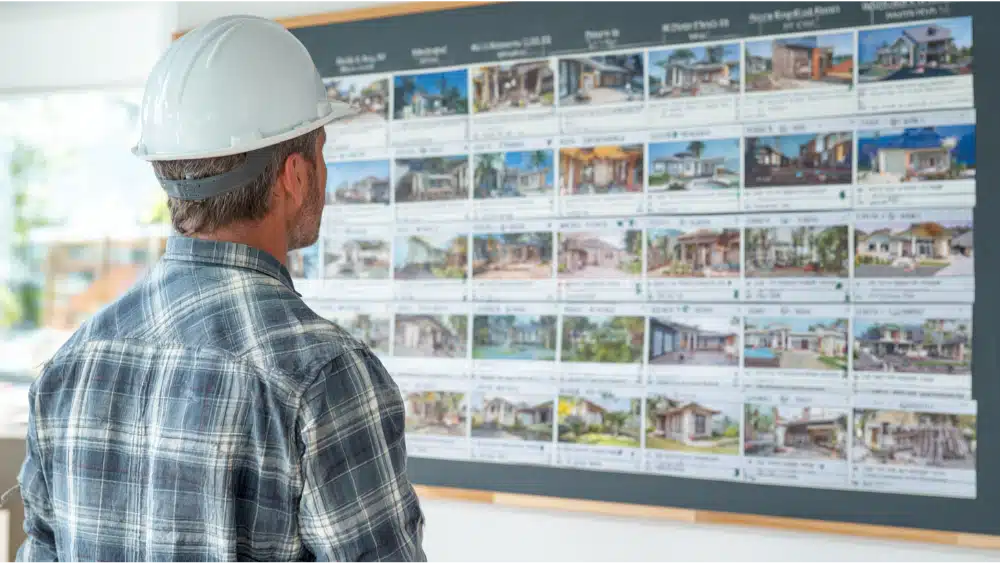
Understanding different scenarios can help you visualize your own project.
Full Home Renovation Example
A full home renovation without major additions may take 10 to 14 months, including design, permits, and construction.
Kitchen and Main Floor Remodel
A kitchen remodel combined with interior work on the main level typically takes 6 to 9 months depending on finishes and layout changes.
Addition and Whole House Remodel
A whole house remodel with additions, exterior work, and significant structural changes can take 12 to 18 months or longer, especially for a full gut renovation.
FAQs About Remodel Timelines
How long does a home renovation take?
Most home renovation projects take between 8 and 16 months depending on project scope, size, and complexity.
What is a realistic timeline for a major remodel?
A realistic timeline for a major remodel is typically several months to over a year when considering the full remodeling process.
Why do renovation projects experience delays?
Common delays include material shortages, contractor scheduling conflicts, unforeseen issues, and changes mid-project.
Can cosmetic remodels be completed faster?
Yes, cosmetic remodels can be completed more quickly because they do not involve structural work or major system updates.
How can I avoid unexpected costs and delays?
Careful planning, early selections, and working with an experienced team help reduce unexpected costs and avoid unnecessary delays.
Final Thoughts: Plan for the Right Timeline
A home remodel is a significant investment that requires time, coordination, and expertise. Whether you are planning a whole home renovation, a kitchen remodel, or bathroom remodels, success comes from preparation and partnership.
By setting realistic expectations, understanding your specific project, and working with a trusted team, you can navigate the remodeling process with confidence. At Origami Design Build, we help homeowners stay informed, avoid common delays, and achieve a clear path to their ideal completion date.
Start your project today and experience a remodeling process built on clarity, craftsmanship, and results.