

A Homeowner’s Guide to Permit Timelines and Final Inspection

Homeowners often ask the same question before beginning a renovation or new construction project: how long is a building permit good for? The answer depends on the city, the local building department, and the type of work involved in the project. While the exact time frame can vary by jurisdiction, most building permits remain valid only if work begins within a certain period and inspections continue regularly throughout construction.
A permit is official permission from the city that allows a homeowner or contractor to perform construction according to approved plans. The permit process exists to protect public safety and ensure compliance with the local building code. It also confirms that work meets requirements for plumbing, structural integrity, electrical systems, and other building elements.
When homeowners understand how permits work and how long they remain valid, they can avoid delays, fees, and complications. A well-organized project keeps inspections scheduled, construction moving forward, and the permit active until the work is completed and the final inspection is approved. In this guide, we explain permit timelines, expiration rules, renewal options, and what to expect when working with your local building department.
What Is a Building Permit and Why Does It Matter?
Building permits are issued by a city or jurisdiction to grant permission for construction, repairs, or improvements on a house or land. The permit confirms that submitted plans meet the building code and local safety regulations. Without a permit, construction work may violate code requirements and create safety concerns for occupants and future buyers.
The building permit process ensures a project is reviewed by professionals before work begins. When plans are approved and the permit is issued, a building inspector from the building department will review the work through scheduled inspections. Each inspection verifies that the construction meets code compliance and follows the approved plans.
This process helps protect homeowners and neighborhoods. When construction is permitted and inspected, the building is more likely to be safe, durable, and compliant with regulations. The building department also maintains records of permits and inspections, which can be important when selling a house in the future.
The Role of Building Permits in Construction
Building permits exist to regulate construction and ensure compliance with the building code. When a person applies for a permit, the building department reviews the application, plans, and details of the project. Once approved, the permit allows construction to begin under the supervision of the city.
A building inspector will conduct inspections during the construction process. These inspections may include foundation inspection, framing inspection, plumbing inspection, electrical inspection, and final inspection. Each inspection confirms that the work follows the approved plans and code requirements.
This process protects homeowners and the community. When permits and inspections are completed properly, the building project becomes part of the official city record.
Projects That Typically Require Permits
Many types of building projects require permits before work begins. Common examples include home additions, structural changes, plumbing modifications, electrical upgrades, and deck construction. Projects such as fences, garages, and major repairs also often require building permits depending on the jurisdiction.
Some smaller improvements may not require permits, but the local building department should always be consulted before beginning work. The requirements for permits are governed by local building code rules and city regulations.
A contractor or homeowner can contact the building department office for additional information about permit requirements, application paperwork, and fees. Confirming these details early in the process helps ensure the project moves forward without delays.
How Long Is a Building Permit Good For?
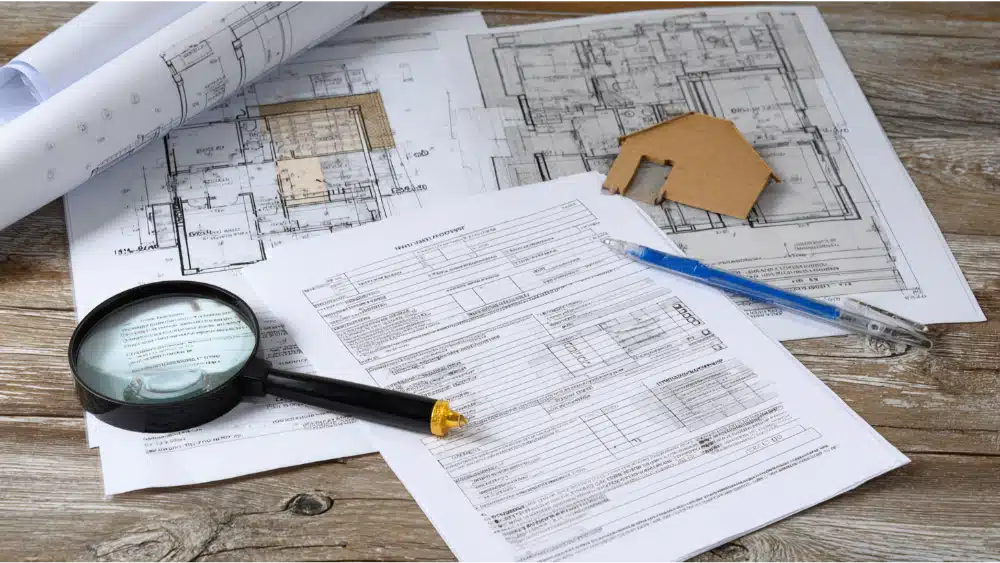
A building permit does not remain valid forever. Most permits have a specific time frame that determines how long construction can continue before the permit may expire. In many cities, the permit will expire if construction has not started within six months of issuance.
The exact time frame varies by jurisdiction and municipality. Some cities allow up to twelve months to begin work, while others require construction to begin within six months after the permit is issued. Once work has started construction and inspections occur regularly, the permit typically remains valid until the project is completed.
If work stops for too long, the permit may expire. When building permits expire, the owner or contractor may need to renew the permit, request an extension, or apply for a new permit before construction can continue.
Typical Permit Validity Timeframes
Across many jurisdictions, building permits follow similar timelines. A permit may expire if construction does not begin within six months after issuance. This six months rule is one of the most common time frames used by building departments.
If construction begins and progress continues, the permit remains valid as long as inspections occur regularly. Many building departments require an inspection every six months to prevent the permit from becoming inactive.
Some large construction projects may allow longer permit periods, especially for new building projects or major renovations. However, if inspections are not scheduled within the required time frame, building permits expire and the permit may need renewal.
Why Permit Length Varies by City or County
Permit timelines are governed by local building departments and building code requirements. Each city determines how permits are issued, how long they remain valid, and what conditions cause them to expire.
The jurisdiction may also consider the size of the project, the complexity of construction, and the capacity of the building department to manage inspections. Some cities allow longer permits for major construction projects, while smaller repairs may require quicker completion.
Because these rules vary, homeowners and contractors should always verify permit requirements with the local building department before construction begins. Understanding the permit time frame early in the process helps avoid an expired permit later.
When Does the Permit Expiration Clock Start?
Many homeowners assume that the permit clock begins when construction starts. In most jurisdictions, the permit time frame begins on the issuance date, not the start of construction.
This means the permit countdown begins when the building department approves the application and issues the permit. Even if construction has not started construction yet, the permit is already active and moving toward its expiration date.
Permit Issuance Date
The permit issuance date marks the official start of the permit time frame. Once the permit is issued by the building department office, the owner or contractor must begin work within the required period.
This date is recorded on permit paperwork and in city records. It is important for the contractor or responsible person to monitor this date to avoid missing the required start period.
Work Must Begin Within a Certain Time
In many cities, construction must begin within six months of permit issuance. If the owner or contractor does not begin construction within this period, the permit may expire.
Once the project has started construction, inspections must continue within the required time frame to maintain the permit status.
Inspections Keep the Permit Active
Regular inspection activity keeps a permit valid during construction. A building inspector will visit the site at scheduled stages to verify compliance with the building code.
If inspections occur within the required six months period, the permit typically remains valid until construction is completed. Each inspection demonstrates progress on the project and confirms the work meets approved plans.
What Happens If a Building Permit Expires?
When building permits expire before the project is completed, the owner or contractor must take steps to resolve the issue. An expired permit can stop construction and may require additional steps before work can resume.
The building department may issue a notice if a permit has expired or if inspections have not occurred within the required time frame.
Work May Need to Stop
If the permit has expired, construction work may need to stop immediately. The building inspector may prevent further work until the permit is renewed or replaced with a new permit.
This delay can impact project schedules and contractor timelines.
Reapplication May Be Required
In some cases, an expired permit requires the owner or contractor to reapply for a new permit. The application process may involve submitting updated plans, paying new fees, and obtaining approval again from the building department.
Reapplying for a permit can delay the construction project and may involve additional paperwork and reviews.
Additional Fees or Updated Code Requirements
If a permit expires and requires renewal, the owner may need to pay renewal fees or administrative fees to the city. These fees help cover the cost of reviewing the project again.
In some situations, the project may need to comply with updated building code requirements. If the code has changed since the original permit issuance date, modifications to plans may be required before construction can continue.
Can You Extend a Building Permit?
In many jurisdictions, building permits can be renewed or extended if construction delays occur. A permit extension allows the project to continue without submitting a new permit application.
However, extensions must typically be requested before the permit expires.
How Permit Extensions Typically Work
To obtain an extension, the owner or contractor must submit a request to the local building department. The request should include details about the project, progress made, and reasons for the delay.
If approved, the building department may extend the permit for an additional period, often another six months.
Common Reasons for Extensions
Construction delays can occur for many reasons. Weather conditions, supply shortages, contractor availability, or design changes may slow progress on a building project.
These situations are often considered reasonable grounds for a permit extension if the request is submitted before the permit expires.
How Many Extensions Are Usually Allowed
Each jurisdiction determines how many extensions are allowed. Some cities allow only one extension while others allow multiple renewal periods depending on the circumstances.
Permit extension rules are governed by the building code and the policies of the local building department.
Factors That Can Affect Permit Duration
Many factors influence how long a permit remains valid. The scope of the construction project, the efficiency of inspections, and the responsiveness of contractors all play a role in the permit timeline.
Size and Complexity of the Project
Large building projects often require more inspections and longer construction schedules. A complex renovation or new building project may involve multiple inspection stages before the final inspection is completed.
Inspection Scheduling
Scheduling inspections quickly is critical to keeping a permit active. If inspections are delayed longer than six months, the permit may expire even if construction has started.
Working closely with the building department and scheduling inspections promptly helps maintain compliance.
Changes to the Design
Changes to plans during construction may require additional review by the building department. Significant design changes may require updated permit approvals or revised inspections.
Local Building Department Workload
The workload of the local building department can also influence permit timelines. Some cities process inspections quickly while others may have longer wait times depending on demand.
How Design Build Teams Help Keep Permits Active
Managing permits and inspections requires organization and communication. A design build team coordinates the entire construction process and helps ensure the permit remains active throughout the project.
Coordinating Plans, Permits, and Inspections
Design build professionals prepare permit applications, submit plans, and coordinate with the building department. They schedule inspections and ensure the work meets building code requirements.
Maintaining Construction Momentum
A coordinated construction schedule helps ensure work progresses steadily. When inspections occur regularly and progress continues, the permit remains valid until the final inspection is completed.
Managing Permit Renewals and Documentation
Experienced contractors track permit dates, renewal deadlines, and inspection schedules. If necessary, they can request a permit extension or renewal before the permit expires.
Tips for Homeowners to Avoid Permit Expiration

Homeowners can take several steps to help ensure their permit remains valid during construction.
Start Construction Promptly
Beginning work soon after permit issuance helps avoid delays and reduces the risk of the permit expiring before work begins.
Schedule Inspections on Time
Regular inspection scheduling is one of the most important factors in maintaining a valid permit. Each inspection confirms progress and helps prevent the permit from expiring.
Maintain Clear Communication With Contractors
Communication between the owner, contractor, and building department helps keep the project organized and compliant with requirements.
Track Permit Deadlines
Monitoring permit dates, inspection schedules, and renewal deadlines ensures the project stays within the required time frame.
Frequently Asked Questions About Building Permit Expiration
Do Building Permits Expire if Work Has Not Started?
Yes. In many jurisdictions, building permits expire if construction has not started within six months of issuance. The exact time frame depends on the city and building department rules.
How Long Can Construction Stop Before a Permit Expires?
Most building departments require inspection activity at least once every six months. If inspections are not scheduled during that time, the permit may expire.
Can You Sell a House With an Expired Building Permit?
It is possible, but an expired building permit may complicate the sale. Buyers may request proof that the work was completed with proper permits and inspections.
Do Permit Timelines Differ for Remodels Versus New Construction?
Yes. New building projects may have longer permit durations, while smaller renovation permits may have shorter time frames.
Can a Contractor Extend a Building Permit for You?
Yes. A contractor can submit a permit extension request to the building department on behalf of the homeowner if delays occur.
Final Thoughts: Plan Your Project With Permit Timelines in Mind
Understanding how long a building permit remains valid is an important part of planning any construction project. Building permits exist to ensure compliance with the building code, protect homeowners, and verify that construction meets safety requirements.
A permit remains valid only when construction begins within the required time frame and inspections continue regularly. When work progresses steadily and inspections are scheduled on time, the permit remains active until the project is completed and the final inspection is approved.
If a permit does expire, the owner or contractor may need to request a renewal, pay additional fees, or apply for a new permit before work can continue. These steps can delay construction and increase costs.
By working with experienced professionals and maintaining communication with the local building department, homeowners can keep their permits active and their construction projects moving forward smoothly. Proper planning, consistent inspections, and attention to permit requirements help ensure the building project is completed safely, legally, and successfully.